
Whether at the bedside, in the classroom, or leading change across a healthcare system, one truth remains: nurses are teachers at heart. It may not be the first role listed in a job description, but education is embedded in every aspect of nursing. From the first time a nurse explains a new medication, to mentoring a novice colleague during their first shift, teaching is the backbone of our practice as nurses.
In a profession that blends science, compassion, and critical thinking, education is one of our most powerful tools. Nursing is not just about administering medications or monitoring vital signs, the art of our profession is found in guiding our patients and their families through complex health experiences and empowering them with knowledge. Additionally, nurses can often be found supporting their colleagues through their own learning journeys. Everything we do is centered around education, making it essential for nursing students and new nurses alike to understand the teaching and learning process.
Teaching Our Patients
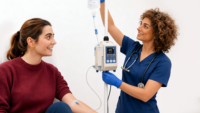
Patient education is one of the most vital parts of our daily work. It’s the consistency found in education, however, that is truly valuable. A nurse might explain the side effects of a new prescription, walk a patient through wound care techniques, or provide guidance on managing chronic illnesses like diabetes or hypertension. Nurses holding leadership positions may teach novice team members how to navigate the change process, or advocate for their patients on a systems level. These moments are not simply about instruction, they are about building trust, reducing anxiety, and enabling better health outcomes. After all, our patients have trusted us to meet their healthcare needs.
Effective patient education requires more than just delivering facts. It demands clear communication, cultural sensitivity, and an understanding of how adults learn. Nurses must assess each patient’s readiness to learn, preferred learning style, and potential barriers such as language or health literacy. Teaching in nursing cannot be a “one-size-fits-all” approach. Each patient deserves a dynamic, personalized, and relevant approach to learning.
Teaching the Next Generation
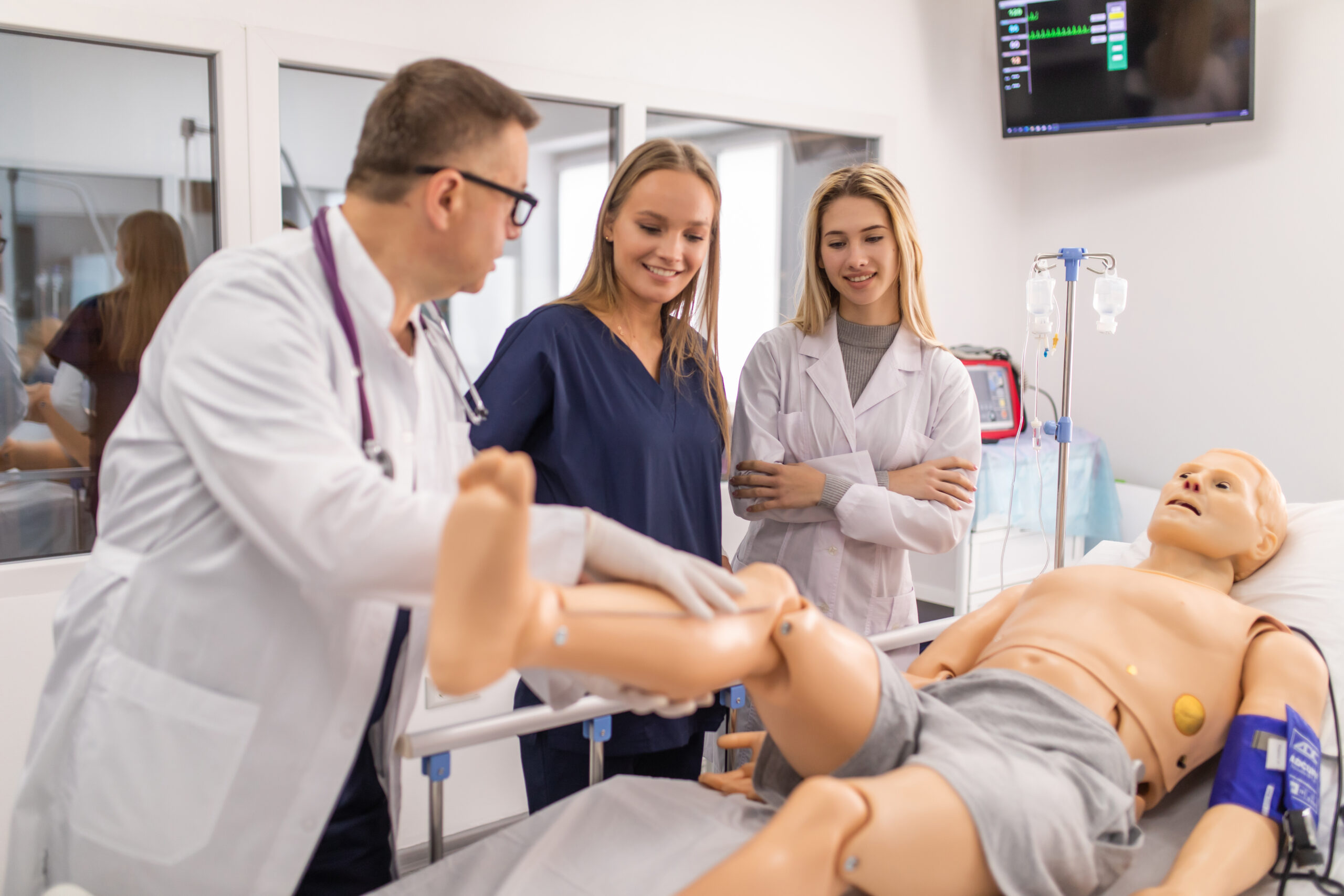
Equally important is the role nurses play in teaching one another. Whether precepting a new graduate or informally guiding a peer, teaching in the clinical environment builds confidence and competence across the profession. Nursing is a team sport. Although we may not be compensated like professional athletes, our team dynamics are perhaps more important. As healthcare becomes more complex, the need for strong nurse mentors and clinical educators has never been greater.
Experienced nurses are in a unique position to share the lessons learned through years of practice. This transfer of knowledge not only strengthens the workforce but preserves the art and culture of nursing itself. When we teach new nurses how to think critically, respond ethically, and care holistically, we ensure that the future of our profession will be rooted in excellence.
Embracing Our Identity as Teachers
As you advance through your career in nursing, I encourage you to embrace this identity. After all, we have all been nursing students at one point, shadowing the clinical experts on a hospital unit. You may not carry the title of “educator” on your badge, but you are one. Every interaction is an opportunity to teach, to guide, and to inspire. When we see teaching as a central part of our professional identity, we elevate the care we provide, the teams we work with, and the patients we serve.
In nursing, knowledge isn’t meant to be hoarded, it’s meant to be shared. In fact, I would argue that withholding information in our profession suggests an ethical challenge. I encourage you to not only commit to lifelong learning, but also lifelong teaching. Embrace the spirit of teaching and uphold the heart of what it means to represent the “most trusted” profession – nursing.
Parker Brigance is a member of the Florida Nurses Association and serves as the Director of the Emergency Service Line at Baptist Health in Jacksonville, Florida. In his role at Baptist Health, he oversees the strategic growth of the ED service line. With over a decade of nursing experience, he is passionate about clinician development, improving healthcare quality, and enhancing the patient experience.













3 Comments. Leave new
So very true, helping all levels of staff, to improve performance, is essential. We learn from each other, as well. Patients and family/ friends give insight in to health literacy and resources for care.
Iron sharpens iron. The challenges of new/ updated information needs the steady hand we can offer.
I couldn’t agree more. I must admit that the most rewarding moments in my profession have been when I have taught patience, patients, families, or colleagues, and their eyes light up as they reach that aha moment.
Now I wonder how AI and the fact that we are no longer considered a profession will affect that in the future
This spoke to my heart! It’s like he took all my thoughts and personal philosophy and put it on paper. Well said!! Thank you!