
Scope of the Problem

According to public records, Florida had 7,220 drug overdose deaths, with 5,476 attributed to opioids, in 2023. In 2024, Florida reported more than 60,000 EMS responses to potential overdose calls, with naloxone administered in 19,785 cases.
The term “opiate” refers to natural compounds derived from the poppy plant, such as opium, morphine, heroin, and codeine. “Opioid” is a broader term that includes natural and synthetic substances that bind to opioid receptors in the brain. Common opioids include methadone, oxycodone, hydrocodone, fentanyl, and fentanyl analogs.
Opioids are powerful narcotic drugs that can cause central nervous system and respiratory depression. Deaths occur due to severe hypoxia and respiratory arrest. However, opioid overdose deaths can be prevented if measures are administered in time. Awareness and access to naloxone by both the lay public and medical responders can save lives.
Naloxone (Narcan) is an opioid competitive antagonist that reverses CNS-depressing effects by binding to brain receptors. The World Health Organization endorses its use by laypeople and medical responders and recommends that laypeople have access to at least two-dose kits while awaiting EMS.
Recognizing Signs and Symptoms of Overdose
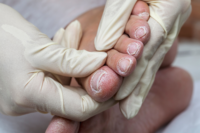
The typical symptoms of overdose include pinpoint pupils, respiratory depression, and decreased consciousness, known as the “opioid overdose triad.” Depressed level of consciousness, nail bed cyanosis and slowed respiratory rate should prompt immediate use of Narcan. Without intervention, overdose may rapidly progress to respiratory arrest and death.
Administration of Narcan
The FDA has approved Narcan nasal spray for over-the-counter purchase. Community members can be easily taught to administer it. Early use is associated with higher survival rates.
Bystanders should:
- Call 911 immediately.
- Administer Narcan without delay.
- Administer a second dose within several minutes if needed.
- Stay with the person, as Narcan’s effects may wear off before the opioid has cleared the system.
Narcan is generally safe and has no effect on individuals not using opioids.
Florida Legal Protection
Florida Statute 381.887 authorizes licensed healthcare practitioners, caregivers, family members, and others in contact with individuals at risk of overdose to store and administer approved opioid antagonists in good faith, even without a prescription.
Opportunities for Florida Nurses: Resources
As trusted professionals and advocates, nurses can play a key role in increasing awareness and access to Narcan.
Programs offering free Narcan and training include:
- Florida Harm Reduction Program – Free mail-based Narcan kits: https://www.flhrc.org/
- iSAVE – Local Narcan providers and training.
- Southeast Rural Opioid Technical Assistance Regional Center – Community First Responder/Trainer Certification: https://serotarcnetwork.org/courses/become-a-community-first-responder/
- NEXT Distro – National mail-based harm reduction service: https://nextdistro.org/
- The Robin Foundation – Narcan distribution and training in South Florida: https://robinfoundation.org/
References:
Florida Health Charts (2025 online) https://www.flhealthcharts.gov/ChartsDashboards/rdPage.aspx
Opioid Toxicity (2025) Stat Pearls; Regina, Goyal, Mechanic: https://www.ncbi.nlm.nih.gov/books/NBK470415/
Clinical Pharmacokinetics and Pharmacodynamics of Naloxone (2024) Teijo, Strang, Dale: https://pmc.ncbi.nlm.nih.gov/articles/PMC11052794/
Cleveland Clinic Health: How to use Narcan (2023) https://health.clevelandclinic.org/how-to-administer-narcan
Florida Statute (2024-2025) https://www.leg.state.fl.us/statutes/index.cfm
Narcan: Medication Information. (2025) Narcan: Opioid Overdose, Instructions and more – Drugs.com













1 Comment. Leave new
Well written and really says it all as nurses especially in the ER are on the front lines of fighting this war preventing overdose fatalities!