Evidence You Can Use
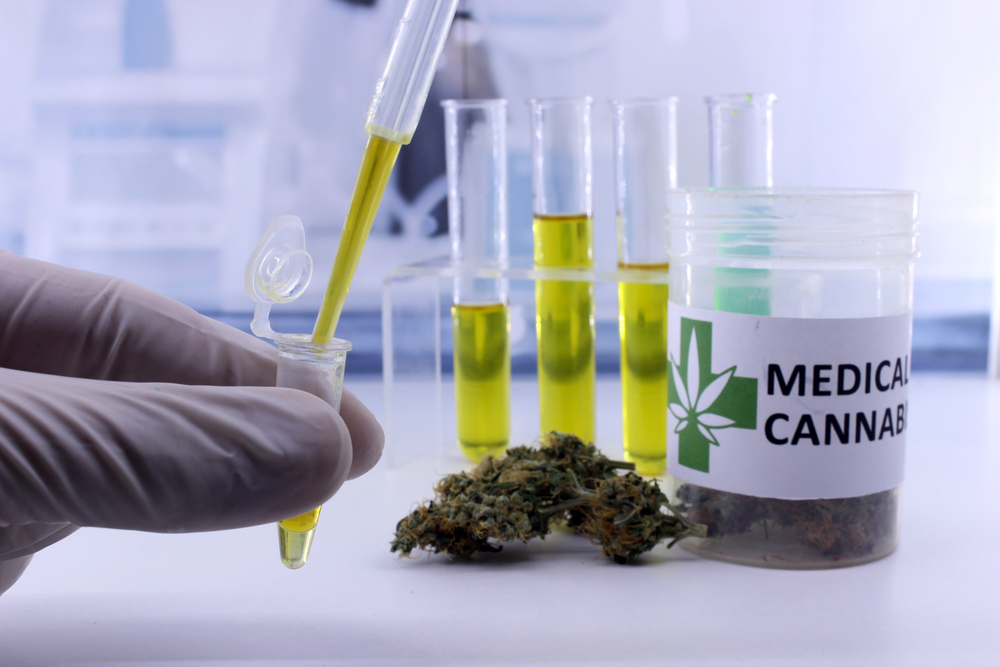
The topic of Marijuana is no longer taboo. It is legal for both medical and adult-use (recreational) purposes in New York. Implemented in 2016, the Medical Cannabis Program, later amended in 2021 through the Marihuana Regulation & Taxation Act (MRTA), legalized adult-use cannabis for medical patients with qualifying conditions (Office of Cannabis Management, 2023). Yet many registered nurses and nurse educators still feel “green” when it comes to understanding its pharmacology, legal landscape, and implications for practice. This column offers a dose of a literature review conducted to inform New York State nurses caring for adults using medical cannabis, as well as the undergraduate faculty responsible for preparing nursing students and future nurses to care for these patients. Suggested curricular amendments for nursing programs are provided, incorporating cannabis education that aligns with the American Association of Colleges of Nursing (AACN) Essentials and the National Council of State Boards of Nursing (NCSBN) standards. This information was presented at ANA-NY’s 13th annual conference.
Under the letter of federal law, cannabis is classified as a Schedule I controlled substance, a category reserved for substances with no accepted medical use and a high potential for abuse. This rigid classification has severely stunted high-quality research and slowed the development of evidence-based practice initiatives related to cannabis (National Council of State Boards of Nursing [NCSBN], 2018).
In contrast, the spirit of more recent legislation, specifically the 2018 Farm Bill, tells a different story. This law removed hemp from the Controlled Substances Act, allowing its cultivation and sale if it contains no more than 0.3% delta-9 tetrahydrocannabinol (THC) by dry weight (Herrington, 2025). This concentration is considered non-psychoactive and too low to produce a “high.” As a result, hemp-derived products containing 0.3% or less delta-9 THC are federally legal and no longer classified as controlled substances.
Meanwhile, state laws exist on an entirely different spectrum. Some states permit adult-use and medical cannabis, while others prohibit marijuana entirely or allow only low-THC, cannabidiol (CBD) products (National Conference of State Legislatures [NCSL], 2025). Because of this patchwork landscape, it is essential for nurses to understand and remain aware of the specific legislation and regulations in the state where they practice.
Current indications for medical cannabis certification in NYS commonly include chronic pain, post-traumatic stress disorder, substance use disorder, neuropathies, neurodegenerative disorders, spinal cord injury with spasticity, inflammatory bowel disease, movement disorders, rheumatoid arthritis, and autism (Slawek et al., 2022). Medical cannabis has the potential to help patients with mental health conditions. In NYS, 20% of patients between the ages of 13 and 40 years old indicated PTSD as the primary condition for their use of medical cannabis. However, adverse effects of cannabis use include anxiety, paranoia, and panic attacks in patients with these confounding conditions (Office of Cannabis Management, 2023). Preliminary evidence suggests that cumulative cannabis exposure is associated with an increased rate of onset of psychosis and earlier schizophrenic episodes with daily cannabis use.
Legalization of cannabis in New York State has generated both opportunity and concern regarding mental health outcomes. Cannabis’s impact on mental health is multifaceted and complex, with both potential benefits and significant risks noted in recent evidence. While some patients report symptom relief for conditions such as PTSD, depression, and anxiety, scientific consensus remains limited regarding its therapeutic effectiveness for these disorders, and the overall quality of supporting evidence is low (Marwaha et al., 2021). Cannabis use is linked to a higher risk of developing psychosis and may exacerbate experiences of paranoia, particularly in individuals who use cannabis to self-medicate for mental distress or who have underlying trauma. Nurses should foster informed discussions with patients about these potential mental health risks. Legalization has also been linked to a rise in cannabis use, which raises public health concerns about increased risks of psychosis, anxiety, and cannabis use disorder among vulnerable populations (Kamer et al., 2023). While legalization offers new avenues for relief, rigorous monitoring and ongoing research are needed to address unintended consequences, including early onset of psychiatric conditions and potential exacerbation of existing mental illness. Nurses must be prepared to navigate these evolving clinical and policy landscapes by integrating current evidence into patient education and care planning.
Cannabis education is lacking in undergraduate nursing education. Parmalee and Clark (2022) surveyed nursing students’ knowledge of medicinal cannabis and found that more than 90% of respondents believed cannabis has therapeutic benefits, with 48.9% of students strongly agreeing. However, most respondents reported not receiving education surrounding managing care for a patient using medicinal cannabis. Qualitative themes indicated that students wanted it included in the curriculum, but some students experienced stigma and bias from faculty. In a later work, Parmalee (2025) explored nurse educators’ perspectives and found they were in concordance with the students regarding the therapeutic potential of cannabis. Nurse educators sought out learning opportunities but were constrained in their discussions with colleagues due to the illegality of cannabis on a federal level. Limited curricular time presents another barrier.
From a curricular standpoint, medical cannabis aligns with the American Association of Colleges of Nursing’s (AACN) Essentials, introduced in 2021 and falls within the following domains:
Domain 2: Person-centered care to prepare students to holistically care for individuals using medical or recreational cannabis. This involves screening, education, counseling, and stigma reduction.
Since cannabis content is rapidly evolving, and the evidence is mixed, teaching students to critically appraise emerging evidence (e.g., NCSBN guidelines, pharmacology of cannabinoids, risks/benefits) aligns with Domain 4, which signifies scholarship in the nursing discipline.
Domain 5: Quality and Safety emphasizes understanding drug–drug interactions and identifying risks (e.g., impaired driving, dependency) and mitigating harm.
Domain 6: Interprofessional Partnerships involves collaboration among various professions, including medicine, nursing, social work, pharmacy, law, and public health, in medical cannabis management.
In 2018, the NCSBN released guidelines for nurses who care for patients who use medical cannabis (NCSBN, 2018). These guidelines state the nurse shall:
- have a working knowledge of the current state of legalization of medical and recreational cannabis use.
- have a working knowledge of the jurisdiction’s medical marijuana program.
- understand the endocannabinoid system, cannabinoid receptors, cannabinoids, and the interactions between them. (Cannabinoid receptors exist in areas of the brain that regulate appetite, memory, fear, and motor responses. Stimulating these receptors with cannabinoids produces psychotropic effects which can mitigate anxiety, stress, pain, inflammation, and depression).
- understand cannabis pharmacology and the research associated with the medical use of cannabis.
- identify the safety considerations for patient use of cannabis (e.g. storage and child-resistant packaging and out of reach).
- approach the patient without judgment regarding the patient’s choice of treatment or preferences in managing pain and other distressing symptoms.
Other aspects to consider include morals and ethics, standards of practice, the patient’s past medical history, the decision-making capacity of the patient or proxy, medication and supplement reconciliation, and finances and accessibility as cannabis is not covered by insurance. The American Nurses Association (ANA) supports providing safe access to therapeutic marijuana and promotes nurse advocacy for patients using marijuana and cannabinoids (Stokes, 2022).
The legalization of medical and recreational cannabis in New York State has created both opportunity and responsibility for nurses and nurse educators. While cannabis holds therapeutic potential for various conditions, its impact on mental health is complex and necessitates informed patient guidance, risk awareness, and vigilant monitoring. The evidence base for medicinal cannabis remains limited due to regulatory barriers, demanding careful consideration of both benefits and risks, such as increased rates of psychosis and dependency, in clinical practice. Current undergraduate nursing education does not adequately prepare nurses for the challenges posed by patients using medical cannabis, with both students and educators recognizing existing curricular gaps and expressing a need for more comprehensive, evidence-informed instruction. Integrating cannabis-related content into nursing curricula, fostering interprofessional collaboration, and following professional guidelines are crucial steps that empower nurses to provide holistic and safe patient care, reduce stigma, and support informed decision-making amid the evolving regulatory landscape.
References
American Association of Colleges of Nursing. (2021). The Essentials: Core Competencies for Professional Nursing. https://www.aacnnursing.org/essentials
ANA Ethics Advisory Board, (2022) “ANA Position Statement: Therapeutic Use of Marijuana and Related Cannabinoids” OJIN: The Online Journal of Issues in Nursing Vol. 27, No. 1. https://www.doi.org/10.3912/OJIN.Vol27No01PoSCol01
Herrington, A. R. (2025). Senate Panel Drops Hemp THC Ban From Agriculture Spending Bill. https://www.forbes.com/sites/ajherrington/2025/07/30/senate-panel-drops-hemp-thc-ban-from-agriculture-spending-bill/
Kamer, R., et al. (2023). State cannabis legalization and psychosis-related health care utilization. https://jamanetwork.com/journals/jamanetworkopen/fullarticle/2800728
Marwaha, S., et al. (2021). Medical cannabis and psychiatric disorders: Implications for clinicians. https://pubmed.ncbi.nlm.nih.gov/32772621/
National Conference of State Legislatures. (2025). State Medical Cannabis Laws. Retrieved November 11, 2025, from https://www.ncsl.org/health/state-medical-cannabis-laws
National Council of State Boards of Nursing. (2018). The NCSBN national nursing guidelines for medical marijuana. Journal of Nursing Regulation, 9(2), S1-S60.
Office of Cannabis Management (2023). New York State Medical Cannabis Program Patient & Provider Survey Report. (2023). cannabis.ny.gov/medical
Parmelee, R. A. (2025). Nurse educators’ experiences with medical cannabis education. Walden Dissertations and Doctoral Studies. https://scholarworks.waldenu.edu/dissertations/17290
Parmelee, R. A., & Clark, C. S. (2022). Nursing students’ knowledge, skills, and attitudes regarding medicinal cannabis care. Journal of Nursing Regulation, 13(3), 13-23.
Slawek D., Arnsten J.H., Whitley S.D., Wiegand. T.J., Stancliff, Stevens, L. C., Hoffman C. J., Gonzalez, C.J. (2022). Therapeutic use of medical cannabis in New York State. https://www.ncbi.nlm.nih.gov/books/NBK577724










1 Comment. Leave new
Thank you for sharing our study of medical cannabis content and nursing students’ perceptions. Unfortunately, not much has changed in this area, and many nurses are not proficient or confident in supporting patients’ safe and effective use of cannabis. I will be offering medical cannabis courses for healthcare providers at Binghamton University starting this summer, and I hope we can begin to embed cannabis care into nursing education curricula around New York State! Additionally, there is the textbook Cannabis: A Handbook for Nurses (Clark, 2021), which is a guide that can be read by nurses and used by educators and faculty. ~ Carey (Clark) Cadieux, Associate Professor of Nursing, Binghamton University