

Abstract
Burnout among registered nurses in adult critical and specialized care units is a growing concern, as these high-intensity environments place immense physical and emotional demands on nursing staff (Ramachandran et al., 2023). Prolonged exposure to such stressors has been linked to emotional exhaustion, decreased job satisfaction, and higher turnover rates (Williams et al., 2022), ultimately impacting patient care quality and organizational performance. The purpose of this integrative review is to evaluate the effectiveness of mindfulness-based stress reduction (MBSR) programs as a targeted intervention to address nurse burnout and enhance job satisfaction (Penque, 2019). Nine peer-reviewed studies published between 2019 and 2024 were analyzed. Findings suggest that MBSR interventions, ranging from brief huddles to structured eight-week programs, significantly reduce burnout symptoms and perceived stress (Wang et al., 2024), while also promoting resilience and mindfulness (Rushton et al., 2021). These results highlight the potential of mindfulness-based approaches to improve nurse well-being in high-stress care settings (Ramachandran et al., 2023; Sarazine et al., 2021).
Background
Burnout has become one of the most pressing challenges in modern nursing practice. Nurses in intensive care units, emergency departments, and other specialized areas encounter frequent exposure to trauma, ethical dilemmas, and high patient acuity (Urso et al., 2022; Sarazine et al., 2021). These factors contribute to emotional exhaustion, depersonalization, and decreased job satisfaction (Maslach & Jackson, 1981). Left unaddressed, burnout contributes to staffing shortages, turnover, and diminished patient safety (Ramachandran et al., 2023).
Standard employee wellness initiatives such as employee assistance programs, counseling, and general stress management resources are often insufficient for nurses working in these high-stress environments (Williams et al., 2022). Research has increasingly pointed to the need for interventions that are both accessible and tailored to the unique demands of nursing practice. Mindfulness-based stress reduction (MBSR) programs have gained attention as a promising approach. Developed by Jon Kabat-Zinn, MBSR emphasizes non-judgmental awareness of the present moment through techniques such as meditation, breathing, and body scanning (Penque, 2019).
The purpose of this integrative review is to examine the effectiveness of MBSR programs for reducing burnout and improving job satisfaction among nurses in critical and specialized care areas.
Methods
An integrative review was conducted to synthesize evidence from nine peer-reviewed studies published between 2019 and 2024. Databases searched included CINAHL, PubMed, and PsycINFO. Inclusion criteria were:
- Studies focused on licensed nurses in critical care or specialized practice settings.
- Interventions that incorporated mindfulness or MBSR components.
- Measurement of outcomes related to burnout, stress, resilience, or job satisfaction.
Sample sizes in the included studies ranged from fewer than 30 to more than 200 participants. Interventions included brief daily mindfulness exercises, single-session workshops, and structured eight-week MBSR programs. Outcomes were measured using validated instruments such as the Maslach Burnout Inventory (MBI), Perceived Stress Scale (PSS), and Mindful Attention Awareness Scale (MAAS).
Results
Across the nine studies, MBSR programs consistently demonstrated reductions in emotional exhaustion and perceived stress among nurses (Ramachandran et al., 2023; Wang et al., 2024). Several studies also noted improvements in job satisfaction, professional efficacy, and compassion satisfaction (Rushton et al., 2021; Sarazine et al., 2021).
- Short-term interventions such as brief mindfulness huddles and single-session workshops led to immediate decreases in stress and burnout symptoms, with some benefits sustained at follow-up (Tripathi & Mulkey, 2023; Sarazine et al., 2021).
- Standard eight-week MBSR programs yielded significant improvements in mindfulness, resilience, and burnout dimensions including depersonalization and emotional exhaustion (Penque, 2019; Truscott, 2024).
- Self-guided smartphone interventions showed promise for accessibility and scalability, though generalizability may be limited (Wang et al., 2024).
While overall findings support the effectiveness of MBSR, variability in program delivery and small sample sizes in some studies highlight the need for continued research.
Discussion
The results of this review indicate that MBSR programs offer practical and effective strategies for addressing burnout among nurses working in high-stress environments (Rushton et al., 2021). Mindfulness practices can be integrated into daily workflow, providing nurses with tools to manage stress, regulate emotions, and build resilience.
For nurses in Oklahoma, these findings are particularly relevant given the state’s ongoing nursing shortages and high patient acuity rates (Williams et al., 2022). By investing in evidence-based wellness interventions such as MBSR, health systems may enhance job satisfaction and retention while improving patient care quality (Ramachandran et al., 2023).
Limitations of the reviewed studies include small sample sizes, lack of control groups in some cases, and limited long-term follow-up (Sarazine et al., 2021; Tripathi & Mulkey, 2023). Despite these challenges, the consistency of positive outcomes suggests that mindfulness-based approaches hold promise as part of a multi-faceted strategy to address burnout.
Conclusion
Mindfulness-based stress reduction programs are effective in reducing burnout and enhancing job satisfaction among nurses in high-stress care settings. These interventions support emotional resilience and contribute to improved nurse well-being, which in turn benefits patients and organizations. Health care leaders and educators should consider incorporating MBSR into nurse wellness initiatives, while future research should focus on long-term outcomes and best practices for implementation.
References
Maslach, C., & Jackson, S. E. (1981). The measurement of experienced burnout. Journal of Occupational Behavior, 2(2), 99–113.
Penque, S. (2019). Mindfulness to promote nurses’ well-being. Nursing Management, 50(5), 38–44. https://doi.org/10.1097/01.NUMA.0000557621.42684.c4
Ramachandran, H., Bin Mahmud, M. S., Rajendran, P., Jiang, Y., Cheng, L., & Wang, W (2023). Effectiveness of mindfulness-based interventions on psychological well-being, burnout and post-traumatic stress disorder among nurses. Journal of Clinical Nursing, 32(11-12), 2323–2338. https://doi.org/10.1111/jocn.16265
Rushton, C. H., Swoboda, S. M., Reller, N., Skarupski, K. A., Prizzi, M., Young, P. D., & Hanson, G. C. (2021). Mindful Ethical Practice and Resilience Academy: Equipping nurses to address ethical challenges. American Journal of Critical Care, 30(1), e1–e11. https://doi.org/10.4037/ajcc2021359
Sarazine, J., Heitschmidt, M., Vondracek, H., Sarris, S., Marcinkowski, N., & Kleinpell, R. (2021). Mindfulness workshops effects on nurses’ burnout, stress, and mindfulness skills. Holistic Nursing Practice, 35(1), 10–18. https://journals.lww.com/hnpjournal/abstract/2021/01000/mindfulness_workshops_effects_on_nurses__burnout,.3.aspx
Tripathi, S. K., & Mulkey, D. C. (2023). Implementing brief mindfulness-based interventions to reduce compassion fatigue. Critical Care Nurse, 43(5), 32–40. https://doi.org/10.4037/ccn2023745
Truscott, P. L. (2024). Effects of mindfulness-based stress reduction programs on nurses’ perceived stress levels. Geriatric Nursing, 58, 512–517. https://doi.org/10.1016/j.gerinurse.2024.06.026
Urso, C., Laserna, A., Feng, L., Agnite, A., Jawe, N., Magoun, C., Layton, L. S., Nates, J. L., & Gutierrez, C. (2022). Mindfulness as an antidote to burnout for nursing and support staff in an oncological intensive care unit. Holistic Nursing Practice, 36(5), E38–E47. https://doi.org/10.1097/HNP.0000000000000544
Wang, Q., Luan, Y., Liu, D., Dai, J., Wang, H., Zhang, Y., Wang, S., Dong, X., & Bi, H. (2024). Guided self-help mindfulness-based intervention for increasing psychological resilience and reducing job burnout in psychiatric nurses. International Journal of Nursing Practice, 30(4), e13204. https://doi.org/10.1111/ijn.13204
Williams, S. G., Fruh, S. S., Barinas, J. L., & Graves, R. J. (2022). Self-care in nurses. Journal of Radiology Nursing, 41(1), 22–27. https://doi.org/10.1016/j.jradnu.2021.11.001
Bio
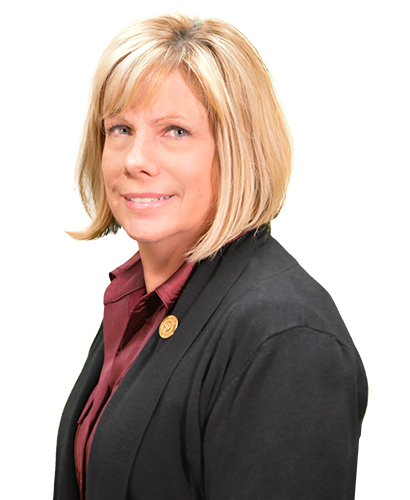
Dr. Katie Walker is a Clinical Nurse Specialist and faculty member at the University of Oklahoma Fran and Earl Ziegler College of Nursing, where she teaches in both undergraduate and graduate programs. Her work focuses on evidence-based practice, interdisciplinary collaboration, and mentoring future nurse leaders. She is Past President and current Nominations Coordinator for the Oklahoma Nurses Association Region 2 chapter.