
This evidence-based practice (EBP) project explored the impact of nurse-led versus lactation consultant-led breastfeeding education on breastfeeding duration at six weeks postpartum. Findings support the use of International Board Certified Lactation Consultants (IBCLCs) to improve maternal self-efficacy, motivation, and breastfeeding outcomes.
Background and Significance
Breastfeeding promotes long-term health benefits for both infants and mothers, but successful breastfeeding often requires expert support. Many new mothers discontinue breastfeeding early due to latch issues, nipple pain, or low confidence. This project addressed whether nurse-led breastfeeding education is as effective as IBCLC-led support in extending breastfeeding duration to six weeks postpartum.
Evidence and Methods
Eleven U.S.-based studies (published since 2019) were analyzed. Key themes included maternal self-efficacy, postpartum support models, and duration of breastfeeding. Studies consistently found that IBCLC-led interventions resulted in higher self-efficacy and prolonged breastfeeding durations, particularly in mothers with gestational diabetes or in rural areas with tele-lactation support.
Key Findings
Theoretical Framework and Practice Change
Using Bandura’s Self-Efficacy Theory, the project shows that education style directly impacts confidence and outcomes. Additionally, Kotter’s Change Theory supports integrating continuing education programs for nurses to become IBCLCs. This structured approach includes creating urgency, forming partnerships, and embedding support within care routines.
Conclusion and Recommendations
IBCLC-led education leads to increased motivation, duration, and success in breastfeeding at six weeks postpartum. Nurse-led education remains valuable but may benefit from enhancement through specialized certification. Rural gaps in access suggest telehealth expansion could provide equitable solutions.
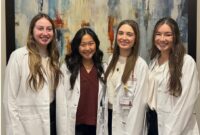
Submitted as part of an Evidence-Based Practice Project prior to May 2025 Graduation from the University of Oklahoma, Fran and Earl Ziegler College of Nursing.
References
Chetwynd, E. M., Wasser, H. M., & Poole, C. (2019). Breastfeeding support interventions by International Board Certified Lactation Consultants: A systematic review and meta-analysis. Journal of Human Lactation, 35(3), 424–440. https://doi.org/10.1177/0890334419851482
Demirci, J., Kotzias, V., Bogen, D. L., Ray, K. N., & Uscher-Pines, L. (2019). Telelactation via mobile app: Perspectives of rural mothers. Telemedicine and E-Health, 25(9), 853–858. https://doi.org/10.1089/tmj.2018.0113
Oggero, M. K., Rozmus, C. L., & LoBiondo-Wood, G. (2024). Effects of prenatal breastfeeding education on duration beyond 12 weeks. Health Education & Behavior, 51(5), 665–676. https://doi.org/10.1177/10901981231220668