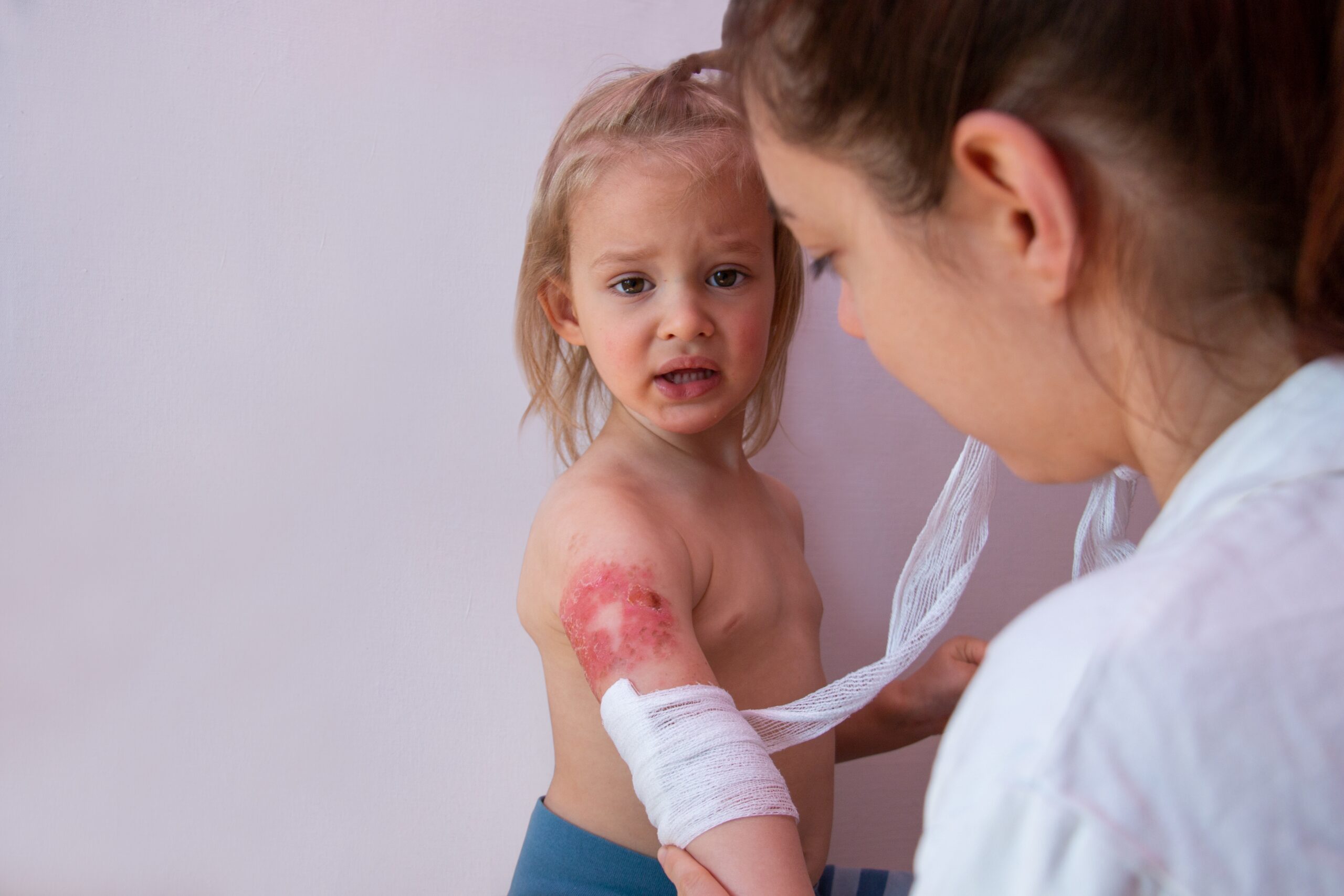

The increasing complexity of healthcare necessitates that nursing students develop strong clinical judgment skills early in their education. To address this need, a hands-on, simulation-based project was introduced for Senior pediatric nursing students at a university in the Midwest. This project aimed to promote essential skills in assessing and managing pediatric burn injuries by integrating Tanner’s Clinical Judgment Model. This model, includes, noticing, interpreting, responding, and reflecting, guided students through a structured, evidence-based approach to pediatric burn care, enhancing their clinical decision-making abilities (Tanner, 2006). The goal was to assess and improve students’ ability to make quick, evidence-based decisions in pediatric burn scenarios..
Tanner’s Clinical Judgment Model served as the foundation for the project, equipping students with the judgment necessary to handle real-life situations. This model aligns closely with the National Council of State Boards of Nursing’s (NCSBN) Clinical Judgment Measurement Model, which supports developing clinical reasoning vital for new graduates (Dickison et al., 2019). The structured approach of Tanner’s model is especially useful for complex cases, such as pediatric burn care, where accurate assessment, interpretation, and timely interventions are crucial.
The project began with students working in small groups, each assigned a plastic doll with burns of varying degrees and locations. Students were tasked with calculating the burn’s total body surface area (TBSA) and determining the necessary resuscitation needs. Utilizing the Rule of Nines, adapted for pediatric patients, they estimated TBSA percentages and calculated fluid requirements using the Parkland formula, a standard method for burn resuscitation. By noticing critical details and interpreting the TBSA to inform fluid needs, students practiced the initial stages of Tanner’s model in a highly applied setting.
Students followed a standardized protocol and algorithm derived from a Level One Pediatric Trauma Center to deepen their comprehension. This protocol guided them in assessing the severity of injuries and applying evidence-based resuscitation practices for pediatric patients. As they navigated each case, students engaged in Tanner’s responding phase, making treatment decisions collaboratively. This experience simulated a real-world environment where rapid decision-making and clear communication are essential for positive patient outcomes. Students appreciated the structured guidance provided by the protocol, noting that it helped them confidently assess, plan, and implement interventions systematically.
The project concluded with a debriefing session, aligning with Tanner’s reflecting phase. Students were encouraged to discuss challenges encountered, apply their knowledge, and share insights on how they might handle similar cases in a clinical setting. Faculty assessed students based on their ability to accurately determine burn severity, apply clinical guidelines, and collaborate effectively. This hands-on, reflective activity allowed students to solidify their understanding of pediatric burn management principles and better comprehend their strengths and areas for growth in clinical judgment.
Feedback was overwhelmingly positive, with students reporting that the fun, hands-on experience clarified complex concepts in pediatric burn care and helped build their confidence. While potential limitations included time constraints and the need for additional practice in adapting the Rule of Nines for various age groups, the project was a valuable addition to the curriculum, providing an immersive experience that brought theory to life.
This activity highlights the effectiveness of Tanner’s Clinical Judgment Model in nursing education, mainly when applied to challenging, high-stakes scenarios such as pediatric burn care. By structuring learning around this model, nursing educators can help students build critical skills in a controlled yet realistic setting, ultimately preparing them for the complexities of real-world patient care n.
References
Dickinson, P., Haerling, K. A., & Lasater, K. (2019). Integrating the National Council of State Boards of Nursing Clinical Judgement Model into nursing educational frameworks. Journal of Nursing Education, 58(2), 72-78
Tanner, C. A. (2006). Thinking like a nurse: A research-based model of clinical judgement in nursing, Journal of Nursing Education, 45(6), 204-211.