Writing this article was inspired while watching Dark Winds with my husband. Set in the 1970s Southwest and centered on Diné characters, the television series reminded me of a concerning conversation I once had with my sister, who is also a registered nurse: Pretendianism.
In one storyline, a white archaeologist and professor represents a pattern Indigenous communities know too well: an outsider studies Indigenous people, extracts knowledge, becomes an “expert,” and gains authority from knowledge originating within the community. Watching it made me think about how similar patterns continue today in academia, research, healthcare, and nursing.
As an Indigenous nurse who served on an American Nurses Association (ANA) Code of Ethics revision panel, I believe our profession has a responsibility to confront this issue.
What Is Pretendianism?
Pretendianism, also described as Indigenous identity fraud, race shifting, or settler self -Indigenization, generally refers to false or unsupported claims of Indigenous identity or belonging, particularly when those claims provide access to professional authority, opportunities, resources, or status.
Dr. Kim TallBear, a citizen of the Sisseton-Wahpeton Oyate and a leading Indigenous scholar examining these issues, cautions us to think beyond the individualistic language of “identity.” Instead, she emphasizes relatives, relations, citizenship, kinship, and collective belonging (TallBear, 2022).
That distinction matters.
Pretendianism should not be confused with Indigenous relatives reconnecting with families, communities, and cultures after generations of forced removal, boarding schools, adoption, relocation, assimilation, child removal, and other colonial policies. TallBear (2021) specifically recognizes Indigenous people who were forcibly separated from their families and communities and later seek reconnection.
Reconnection is relational. Pretendianism is extractive.
The Harm Is Real
A question frequently asked about Pretendianism is: Who does it really hurt?
Indigenous people.
TallBear (2022) places Indigenous identity fraud within a much longer history of colonial appropriation, the taking of Indigenous lands, resources, relatives, cultural belongings, human remains, blood and DNA, and governance authority. False claims can continue that pattern by allowing non-Indigenous people to acquire resources and, perhaps even more dangerously, the authority to represent Indigenous Peoples.
The harm is both material and structural. TallBear (2021) identifies scholarships, university admissions, jobs, cultural access, business opportunities, and positions of professional authority among the resources affected by false claims. Individuals may then become institutional decision-makers, policy advisors, researchers, educators, and “thought leaders” who shape how others understand Indigenous Peoples.
The Tribal Alliance Against Frauds (TAAF), an intertribal watchdog and educational organization, similarly warns that false Indigenous representation can divert resources, spread misinformation under the banner of Indigenous representation, and undermine Tribal sovereignty (Tribal Alliance Against Frauds, 2026).
Imagine the implications in nursing.
A person falsely representing themselves as Indigenous could become the nurse educator teaching future nurses about Indigenous health, the researcher defining Indigenous health priorities, the recipient of Indigenous-specific funding, or the person an institution consults when it wants an “Indigenous perspective.”
Meanwhile, Indigenous nurses, scholars, and communities may be pushed aside.
Harm to the Spirit
Pretendianism also creates harm that cannot be measured by counting jobs, grants, publications, or awards.
It harms the spirit of Indigenous communities.
The National Commission to Address Racism in Nursing (2021) defines racism as “assaults on the human spirit” involving actions, biases, prejudices, and ideologies that cause moral suffering, physical harm, systemic injustice, and inequity.
That language should resonate deeply when nursing considers Indigenous identity fraud.
For Indigenous Peoples, belonging is connected to relatives, ancestors, community, land, language, culture, responsibilities, and sovereign Nations. These relationships survived deliberate attempts to destroy them.
Our ancestors survived removal. They survived boarding schools. They survived the taking of children. They survived suppression of languages, cultures, and ceremonies. They survived policies designed to assimilate Indigenous Peoples.
We are still here.
When someone falsely assumes an Indigenous identity and receives authority or benefits because of that claim, the harm is therefore greater than an individual lie. Someone is stepping into histories, relationships, struggles, and collective experiences that are not theirs while potentially displacing the people whose families and Nations lived those histories.
Nursing Is Built on Trust
This becomes especially serious when the person making false claims is a nurse.
In 2026, nurses were ranked the most trusted profession in the United States for the 24th consecutive year, with 75% of Americans rating nurses’ honesty and ethical standards as high or very high (American Nurses Association, 2026).
Trust is foundational to nursing.
The 2025 Code of Ethics for Nurses remains nursing’s foundational ethical framework and social commitment to the public. The revised Code explicitly addresses racism, structural oppression, health disparities, advocacy, and nurses’ responsibilities to patients and communities (American Nurses Association, 2025).
Knowingly misrepresenting Indigenous belonging for professional benefit should therefore concern our profession.
If a nurse falsifies credentials, we recognize an ethical problem. If a researcher falsifies data, we recognize an ethical problem. If someone intentionally misrepresents qualifications to obtain professional opportunities, we recognize an ethical problem.
Why would intentional deception about Indigenous belonging for professional authority or benefit deserve less scrutiny?
Accountability Is Our Responsibility
Addressing Pretendianism is not about determining who “looks Native,” measuring blood quantum or asking nurses to investigate one another’s genealogy. It is about accountability.
Tribal Nations are sovereign political entities with authority over their own citizenship. Nursing institutions should therefore develop meaningful relationships with Tribal
Nations and Indigenous communities rather than assuming that unchecked individual self-identification establishes authority to represent Indigenous Peoples.
Institutions must also understand the complex histories of adoption, boarding schools, relocation, forced removal, and family separation that have disconnected legitimate Indigenous relatives from their communities.
The answer is not racial policing.
The answer is relationship, sovereignty, truth, and accountability.
Pretendianism can take opportunities. It can take resources. It can take voice and professional authority. It can distort Indigenous knowledge and representation. Most importantly, it can damage the trust and spirit of Indigenous communities.
Nursing cannot claim to advance Indigenous health equity while ignoring harms Indigenous Peoples are telling us exist.
Nurses have earned extraordinary public trust. With that trust comes responsibility.
If nursing expects Indigenous patients and communities to trust us, Indigenous communities must also be able to trust nursing.
And trust begins with truth.
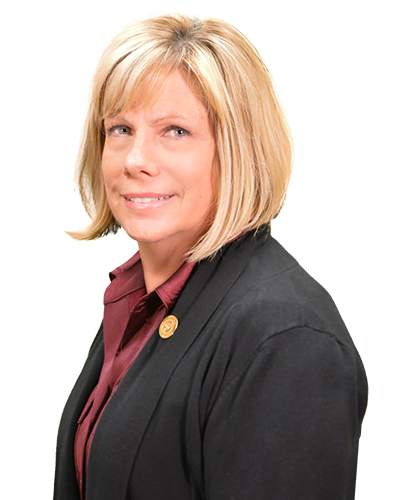
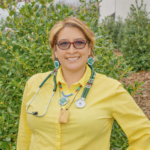
Sonya Frazier, BSN, RN, is an enrolled citizen of the Chickasaw Nation with more than 24 years of nursing experience in clinical practice, leadership, education, and community health. She is the founder and president of the Oklahoma Indigenous Nurses Association and a current member of the Oklahoma Nurses Association. Frazier previously served on the American Nurses Association Code of Ethics revision panel and is committed to advancing culturally responsive nursing practice, Indigenous health equity, Tribal sovereignty, and accountability within the nursing profession.
References
American Nurses Association. (2025, January 29). American Nurses Association releases the revised Code of Ethics for Nurses. NursingWorld.
American Nurses Association. (2026, January 12). Nurses ranked most trusted professionals for 24th consecutive year. NursingWorld.
National Commission to Address Racism in Nursing. (2021). Defining racism. American Nurses Association.
TallBear, K. (2021, September 10). Indigenous “race shifting” red flags: A quick primer for reporters and others. Unsettle.
TallBear, K. (2022, March 27). Native “identity” fraud is not distraction, but the final Indian bounty. Unsettle.
Tribal Alliance Against Frauds. (2026). Dr. John Ronald Lowe.