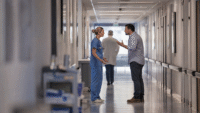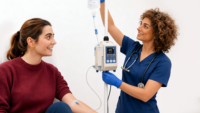


Doorway observation is an assessment method is used for watching and recording events, behaviors, and health conditions as they naturally occur, rather than asking clients to self-report (Wiseman et al., 2024). In healthcare, observation is a core data collection method because it yields the kind of detailed data that interviews or chart reviews often miss because clients don’t always recall or tend to minimize their own difficulties or behavior. Because observation captures real world physical or mental behavior, the nurse can follow up with questions that may not otherwise be asked.
Examples of observational data include:
- Does the client respond when their name is called or do they need a prompt from someone sitting next to them? This could indicate a hearing loss or a cognitive issue.
- Are verbal responses accurate, indicating orientation to person, time, or place?
- Is someone accompanying the client or sitting at the bedside?
- What kind of relationship does this person appear to have with the client?
- Are the gestures comforting or controlling or indifferent?
General hygiene and client condition:
- Is the client’s clothing appropriate for the weather conditions or are they bundled up, but still shivering, or sweating when it is cold outside?
- Is footwear causing walking problems, resulting in the client stumbling or shuffling?
- Are shoes cutting off circulation to the client’s legs?
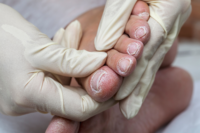
- Are there observable tracks, cuts, bruises, scars, or markings on the skin which may be infected or show signs of abuse?
Regarding the client’s physical abilities:
- Does the client have a limp or balance problem?
- How fast can the client walk?
- Do they use a walker or cane or lean on the railing or wall?
- How fast can the client move from a sitting to a standing position without stumbling?
- Does the client walk upright or bent over?
- If in bed, does movement appear to be impaired?
- Can the client turn to make themselves more comfortable or do they struggle changing position?
- Can movements be accomplished without the client’s breathing being labored?
Vision is an important assessment and key observations can be made without specialized assessment tools:
- Can the client estimate how high or low steps are or judge depth?
- Is the client bumping into things?
- Does the client use eyeglasses to read; can they recognize people or objects?
When charting, be careful to state the observation without indicating a possible cause which could reflect one’s own bias or beliefs (Wiseman et al., 2024). If unsure about what you have observed, ask another clinician to observe with you until you feel comfortable that your observations are accurate and important to the client’s health. This is a helpful method to use for shift change report where nurses can compare findings and catch behaviors or signs that would otherwise go unnoticed.
Assessing a client involves more than the tasks we perform, such as vital signs or checking IV sites or wound dressing drainage or asking about pain levels. It involves the unspoken, visual observations that a doorway assessment will render.
Reference
Wiseman, T., Kourrouche, S., Jones, T., Kennedy, B. & Curtis, K. (2024). The impact of the whole nursing assessment framework on hospital patients. Journal of Advanced Nursing, 80. Pp/ 3444-3463. https://doi.org/10.1111/jan.16025