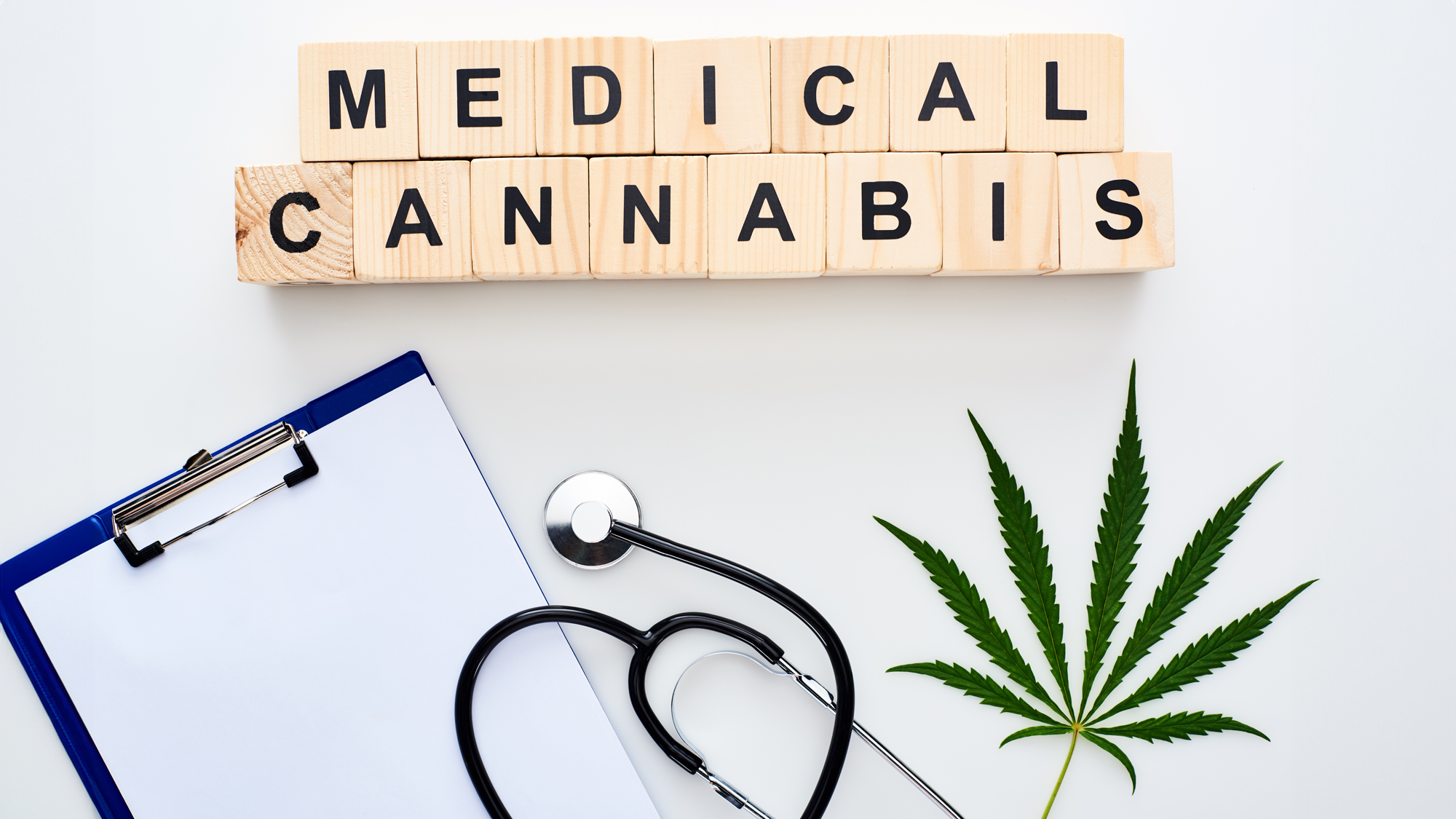
The recent news about cannabis being rescheduled from level I (high abuse potential, no accepted medical use) to level III (moderate/low abuse potential) has added urgency to the need to address nursing education guidelines on cannabis. In 2018 the National Council of State Boards of Nursing (NCSBN) published guidelines stating that it is in the best interest of patients for nurses to have practical knowledge of several topics regarding cannabis (NCSBN, 2018). Although it has been eight years since the publication of the guidelines, very little compliance with those guidelines has been achieved in nursing education (Parmalee & Clark, 2022). Globally numerous studies have revealed that nursing students feel information on cannabis therapeutics should be a part of their preparation to provide safe care to patients. (Balneaves et al., 2023; Giannakopoulou et al., 2021; Kozlov et al., 2025) The fact that the legal status is changing has little to do with the importance of teaching cannabis therapeutics in nursing because patients use cannabis whether they live in a legal state or not. And even CBD products, which are legal in Kansas, have implications for nursing, including drug interactions.
It is important to note the educational guidelines are not only applicable in nursing education; working nurses, APRN’s and physicians need to be informed and ready to provide safe care to patients who use cannabis. In fact, medical schools have a similar set of minimum competencies for cannabis education that emphasize the same themes that make up the NCSBN guidelines for nurses (Zolotov et al., 2025).
The NCSBN (2018) guidelines for cannabis education in nursing:
- The nurse shall have a working knowledge of the current state of legalization of medical and adult use cannabis.
- The nurse shall have a working knowledge of their local medical cannabis program.
- The nurse shall have an understanding of the endocannabinoid system, cannabinoid receptors, cannabinoids, and the interactions between them.
- The nurse shall have an understanding of cannabis pharmacology and the research associated with the medical use of cannabis.
- The nurse shall be able to identify the safety considerations for patient use of cannabis.
- The nurse shall approach the patient without judgment regarding the patient’s choice of treatment or preferences in managing pain and other distressing symptoms.
A good strategy for incorporating these competencies in undergraduate nursing school is to include a module or lecture in the pharmacology class to provide the baseline information. The educator should then follow through by mentioning appropriate cannabis topics throughout the semester alongside the other medications being taught. Using the NCSBN guidelines as an outline for either lecture or module outcomes is an easy way to ensure the content will cover the minimum competencies. Offering a separate course focused only on cannabis therapeutics is feasible option in some situations, such as an elective credit class. An interesting facet of offering a separate course is that it could also be offered to non-degree seeking students.
For working clinical and bedside nurses, employers can support cannabis education through continuing education credits. This would give nurses the freedom and incentive to become educated on this important topic without fear of repercussions. There are many reputable options for CE credits that can be located via internet search. There are also several nursing associations dedicated to cannabis therapeutics that can assist with the process of obtaining CE credits.
In nursing programs, it is possible the dearth of qualified cannabis educators is a contributing factor to the lack of response to the NCSBN guidelines. While any interested nurse educator could become a self-taught cannabis nurse, there are choices for education that offer more credibility and that can be accomplished in a reasonable time. For example, there are many colleges and universities that offer certificate programs in cannabis therapeutics. There are also numerous universities that offer degrees in Cannabis Science.
Whether the nurse educator is in academia or staff development, the process of self-education can be accomplished by reading research articles and books, attending webinars or conferences, or joining one of the cannabis nurse associations. There are many cannabis nursing associations that feature copious resources. In Kansas, we have the Kansas Cannabis Coalition. They are advocates for cannabis reform in Kansas, offer education, and a pathway for nurses and others who are interested in policy development.
All nurses are educators and leaders. The need to address cannabis topics is a gap we can and should address as professional nurses for the good of our patients.
References
Balneaves, L., Watling, C., Strus, J., Boscow, M., Davis, L., Graveline, K., Harrigan, T., Henriquez, N., Mitchell, K., & Thompson, G. (2023). Baccalaureate nursing students’ knowledge, attitudes, educational needs, and use of medical and non-medical cannabis at five institutions in Manitoba, Canada: A cross-sectional analysis. Nurse Education Today, 130, Article 105955. https://doi.org/10.1016/j.nedt.2023.105955
Giannakopoulou, M., Vouzavali, F., Paikopoulou, D., Paschali, A., Mpouzika, M., & Karanikola, M. (2021). Attitudes, beliefs and knowledge towards medical cannabis of Greek undergraduate and postgraduate university nursing students. Complementary Therapies in Medicine, 58, Article 102703. https://doi.org/10.1016/j.ctim.2021.102703
Kozlov, G., Wacht, O., & Grinstein-Cohen, O. (2025). Attitudes and knowledge of Israeli ultra-Orthodox and religious Jewish nursing students toward the use of medical cannabis. Journal of Religion and Health (2026)65:538-553. https://doi.org/10.1007/s10943-025-02381-9
NCSBN (2018). Journal of Nursing Regulation 9(2): July 2018 Supplement. https://www.ncsbn.org/public-files/The_NCSBN_National_Nursing_Guidelines_for_Medical_Marijuana_JNR_July_2018.pdf
Parmalee, R., & Clark, C. (2022). Nursing students’ knowledge, skills, and attitudes regarding medicinal cannabis care. Journal of Nursing Regulation, 13(3), 13–23. https://doi.org/10.1016/S2155-8256(22)00082-5
Zolotov, Y., Cohen, O., Findley, P., Reznik, A., Isralowitz, R., & Willard, S. (2021). Attitudes and knowledge about medical cannabis among Israeli and American nursing students. Nurse Education Today, 99, Article 104789. https://doi.org/10.1016/j.nedt.2021.104789