
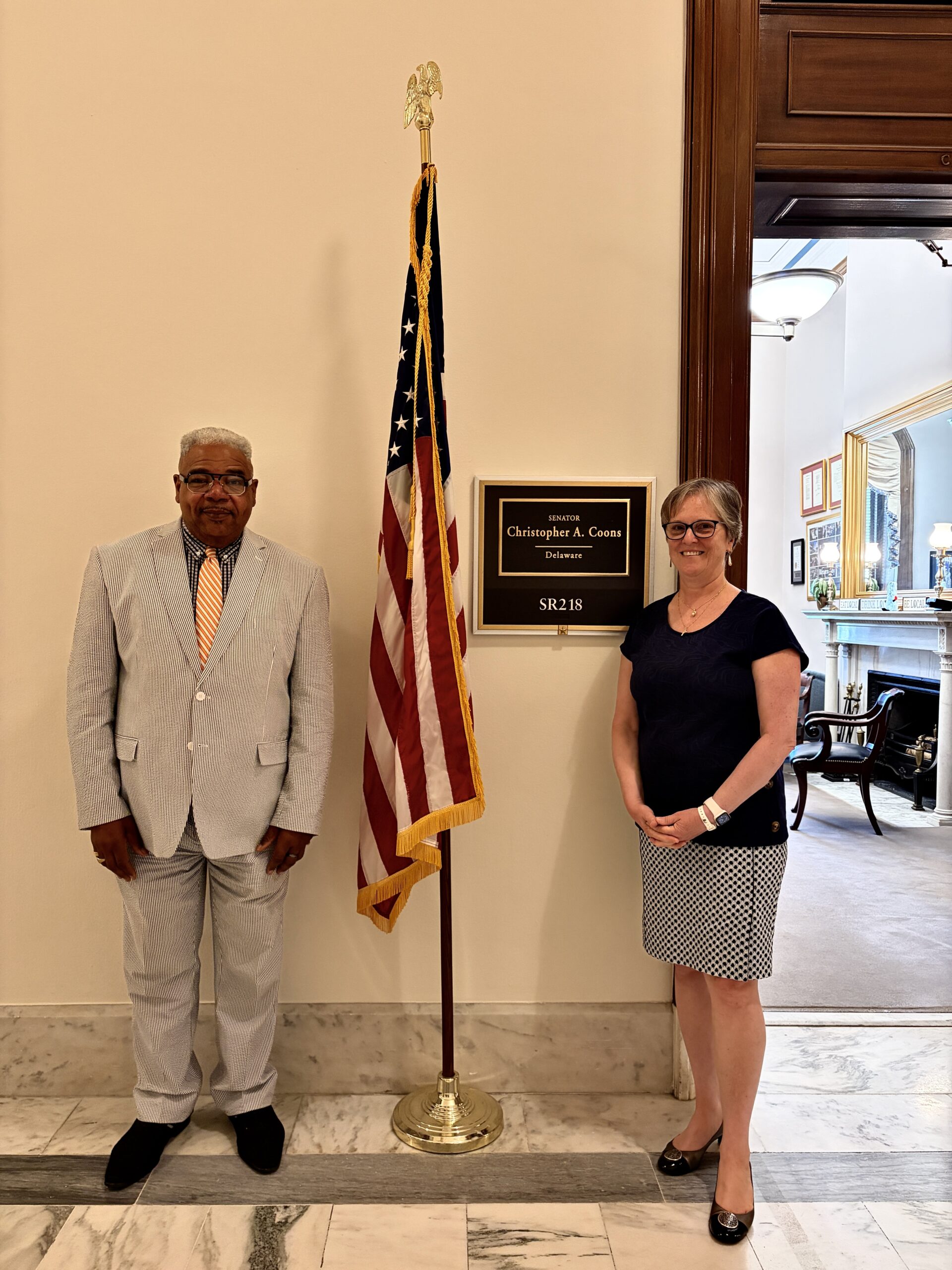

As a registered nurse and a member of New Jersey State Nurses Association, to be concerned about the environment, about health, and how each impacts the other is an understatement. The Toxic Substances Control Act (or TSCA, pronounced Tah-sca), under the Environmental Protection Agency (EPA), was put into place to protect the health of Americans from known and future toxins, proven to be harmful or even deadly. Some past known toxins include asbestos (found in building construction and manufactured goods) (trichloroethylene (TCE) (found in industrial pollution), and methylene chloride (found in paint stripper products) (links to fact sheets below).
The role of TSCA is protect health. However, the original 1976 law fell short. Updated in 2016, the Lautenberg Act was a bipartisan effort to update the law. Now, a decade later, Congressman Brett Guthrie (KY-02), Chairman of the House Committee on Energy and Commerce, and Congressman Gary Palmer (AL-06), have introduced draft legislation to reform the law aimed at increasing domestic manufacturing (https://energycommerce.house.gov/posts/chairmen-guthrie-and-palmer-announce-legislative-hearing-to-modernize-america-s-chemical-safety-law) which now occurs in other countries for products used here in the United States.
Environmental groups, such as the Environmental Defense Fund (https://www.edf.org/), Moms Clean Air Force (https://www.momscleanairforce.org/), Rail Watch (https://railwatch.net/), EWG (https://www.ewg.org/), the Alliance of Nurses for Healthy Environments (ANHE) (https://envirn.org/), among others, took action. The risk of weakening TSCA to allow ‘rubberstamping’ chemical development to allow the chemical industry a significant role in product review would impact the EPA’s ability to protect health from chemical toxins. This led to a concerted effort to lobby key legislators on Capitol Hill. Thanks to Chris Otto, DNA Executive Director, I was put in contact with a representative of the ANHE. I accepted the opportunity to advocate on behalf of all Americans immediately! The event, known as a ‘fly-in,’ put me in contact with policy experts, lobbyists, scientists, other nurses, and concerned citizens directly impacted by toxic substances through loss of health or chemical related death of a loved one. Thank you to those involved in organizing the fly-in, especially the Environmental Defense Fund, a non-for-profit committed to climate justice guided by economics and science (https://www.edf.org/about).
I visited with staff of key legislators to share expertise, stories, and concerns. We shared the message that 10 years since TSCA was updated should stay the course, and, if anything, be reviewed for gaps in implementation and appropriations. rather than reduce effectiveness, potentially increasing health risks of chemical toxins. Stories from ‘fence-line’ communities, health effects from past and present exposures to toxins, such as asbestos, TCE, and methylene chloride, emphasizing the benefit to Americans was occurring under the current TSCA law.
Reflecting on the experience, it was empowering and powerful lobbying legislators’ office staff. Presently, TSCA plays such an important role in our health and the health of generations to come. Changing the legislation at this point, in favor of companies to bring potential toxins to development, production, distribution, and disposal, without proper vetting of the EPA would put Americans’ health, especially most vulnerable, at grave risk.
Press Releases:
Moms Clean Air Force, Moms Say NO to EPA’s Attempt to Fast-Track Polluting Industry
ANHE, Protect Our Health: Stop Efforts to Weaken America’s Chemical Safety Law
ANHE, Oppose any efforts to reopen or weaken TSCA
Fact Sheets:
Learn about asbestos, https://www.epa.gov/asbestos/learn-about-asbestos
Trichloroethylene, https://www.epa.gov/assessing-and-managing-chemicals-under-tsca/risk-management-trichloroethylene-tce
Methylene chloride: https://www.epa.gov/assessing-and-managing-chemicals-under-tsca/final-rule-regulation-methylene-chloride-paint-and