

Emerging Nurse Column
Beginning a nursing career is exciting, but it can also be overwhelming. New-to-practice nurses enter the profession with foundational knowledge, clinical training, and a drive to provide excellent care. However, no nursing program can prepare a new graduate nurse for every patient, diagnosis, medication, procedure, and difficult situation they will encounter throughout their career, let alone their first year. No new nurse is expected to know everything; instead, they are expected to recognize when they need additional information or assistance, and to know how to find it.
I have seen this happen, and I also experienced it as a new nurse. It is easy to become overwhelmed, fall behind on tasks, stay late to finish documentation, or even overlook a change in a patient’s condition when you are not using the resources available to you. Sometimes, we hesitate to ask for help because of pride or because we are afraid of appearing unprepared. Other times, we worry that asking questions will cause others to doubt our abilities. It may even be as simple as not knowing who to ask or where to find reliable information. Whatever the reason, learning to utilize available resources is an essential part of becoming a safe, confident, and effective nurse.
Start With the Resources in Your Workplace
A nurse’s own organization is often the best place to begin. Hospitals and healthcare systems provide policies, procedures, clinical guidelines, medication references, skills checklists, and continuing education opportunities. Many organizations also offer simulation training, specialty classes, certification preparation, and access to online learning platforms.
New nurses should become familiar with where these resources are located before an urgent situation occurs. Knowing how to quickly locate a policy, review a procedure, or contact the appropriate department can save valuable time and reduce uncertainty. Don’t view required education as something to complete simply to “check a box” or just another requirement. These courses are designed to strengthen clinical judgment, reinforce safe practices, and help nurses remain current as evidence and technology change.
Use the Experience Around You
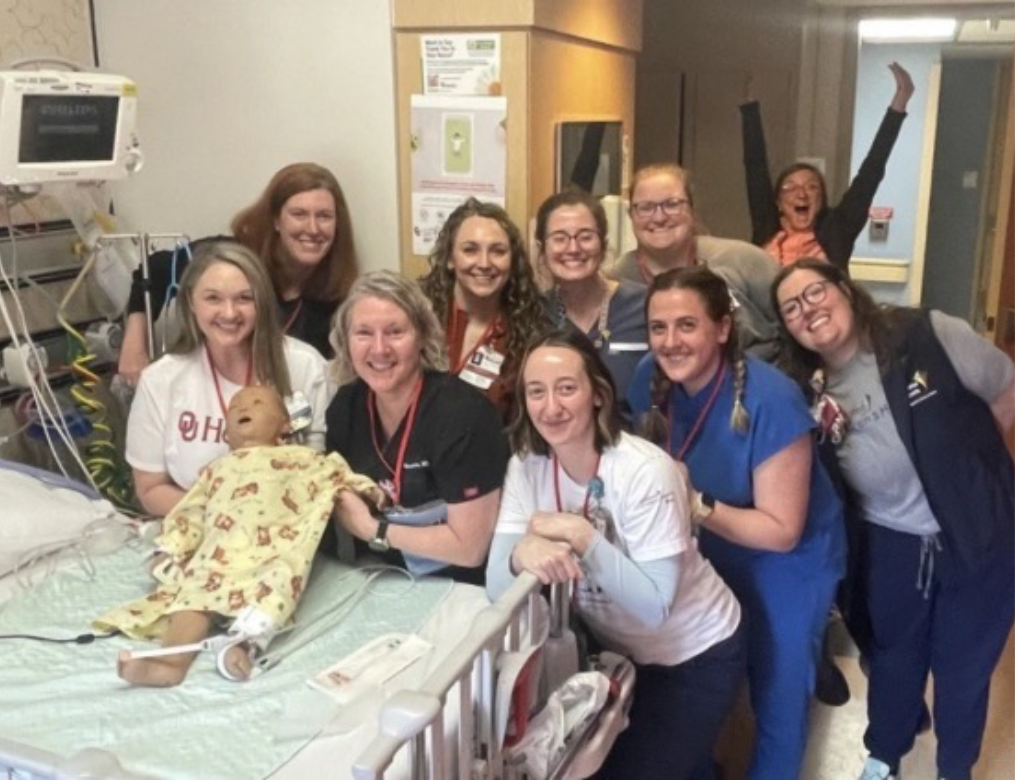
Some of the most valuable resources are the people working beside us. Seasoned nurses possess knowledge that cannot always be found in a textbook. They have developed pattern recognition, time-management strategies, and practical ways to organize care. They may notice subtle changes in a patient or recognize that something “does not look right” before the situation becomes more serious.
Charge nurses and supervisors are also important resources. They can assist with prioritization, difficult assignments, changes in patient condition, communication concerns, and decisions about when additional escalation is necessary. Asking for help early gives the team more opportunities to intervene. Waiting until a nurse is completely overwhelmed can place both the nurse and the patient in a more difficult situation.
Resources are not limited to other registered nurses. Nursing technicians also spend significant time at the bedside and may notice changes in mobility, behavior, or vital signs. Their observations should be taken seriously, followed up through nursing assessment, and communicated to the care team if warranted. Respiratory therapists are another invaluable resource, particularly when caring for patients with oxygen needs, artificial airways, noninvasive ventilation, or mechanical ventilation. Their specialized knowledge can help nurses better understand respiratory equipment, recognize deterioration, and respond appropriately. There have been many times I have asked the respiratory therapists questions about ventilator settings or if there is something they see that I may be missing or could do differently for my patients. Using these team members does not mean transferring responsibility to someone else. It means recognizing that quality patient care depends on collaboration and teamwork.
Look Beyond the Hospital
Professional nursing organizations offer another layer of support. The Oklahoma Nurses Association website and magazine provide information related to nursing practice, education, advocacy, professional events, nurse well-being, and leadership opportunities. These resources can help nurses connect with the broader nursing community while remaining informed about issues affecting nurses across Oklahoma.
Nurses can also benefit from joining an association related to their specialty. Critical care, emergency nursing, perioperative nursing, women’s health, oncology, pediatrics, and many other specialties have professional organizations that provide educational resources, clinical updates, networking opportunities, conferences, and certification guidance. These organizations can help a new nurse move from learning the basic expectations of a position to developing deeper specialty knowledge and a stronger professional identity.
Learn to Identify Trustworthy Information
When a clinical question arises, it may be tempting to rely on a general internet search, AI, or social media. These sources can be convenient, but they are not always accurate or current. Peer-reviewed nursing and medical journals provide access to research that has been evaluated by experts before publication. Reading professional journals helps nurses understand why practices change and strengthens their ability to provide evidence-based care. Nurses may have access to journal databases through their employer, professional associations, or online libraries. You do not have to read every new study; choosing one or two reputable journals related to your practice area and reviewing them regularly is a realistic place to begin.
Asking for Help Is a Clinical Skill
Confidence develops with experience, but it should never prevent a nurse from asking questions, seeking clarification, or considering guidance from experienced team members. A nurse who seeks clarification is demonstrating awareness, accountability, and concern for patient safety. When asking for assistance, it can be helpful to communicate clearly: What is happening with the patient? What have you already assessed? Which interventions have you attempted? What is your primary concern? This helps the other team members understand the situation and respond effectively.
It is also important for experienced nurses to create an environment where questions are welcomed. Dismissing or embarrassing a new nurse may make that nurse less likely to speak up the next time, and the next situation may involve a serious safety concern. Supporting new nurses is not only about helping them grow; it is also about protecting patients and strengthening the profession. No nurse practices alone. Nursing requires collaboration, continuing education, evidence-based information, and the willingness to seek guidance. Utilizing resources does not make someone less capable. It demonstrates professional maturity and good clinical judgment.
To every new-to-practice nurse: You are not expected to know everything. Ask the questions. Call the charge nurse. Speak with the respiratory therapist. Listen to the nursing technician. Review your hospital’s policies. Take advantage of educational opportunities, even when attending another class does not sound exciting. Read the research, even when it seems tedious. Join professional organizations, even if you are not sure how they can help you. The strongest nurses are not those who never need help. They are the ones who know when and where to find it.
I will leave you with a quote I recently came across while doomscrolling on social media during my first day off after what felt like a very long stretch of workdays:
“Pressure is a privilege.” -Billie Jean King
That quote stayed with me because many new nurses will eventually look at an assignment, or several assignments, and wonder, “How in the world am I qualified to handle this?” Sometimes, being trusted with greater responsibility can remind us that others recognize our growth and capabilities, even when we do not yet see them in ourselves. However, pressure does not automatically mean an assignment is safe, and confidence does not mean handling everything alone. True confidence also means recognizing your limits, using the resources around you, asking for help, and speaking up when a patient’s needs or your workload exceed what you can safely manage.