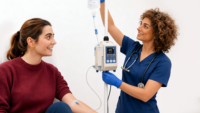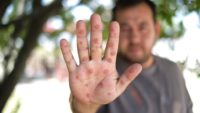

Last December, the American Nurses Association (ANA) announced the theme for Nurses Week 2026. The announcement included a professionally produced video intended as a public service announcement highlighting the significant role nurses play in activities that affect health. The video was powerful, featuring an advanced practice nurse providing primary care in a rural part of America where many people lack local access and must travel long distances for healthcare. A patient interviewed in the video, diagnosed with Type 1 Diabetes, acknowledged the importance of access to healthcare. He credited a nurse practitioner for keeping him healthy and, in turn, saving the five-generation family farm. As the only healthcare provider in this community, this nurse practitioner was recognized for his significant role and impact on all matters related to health and wellness. Think about it. Caring for individuals, especially during vulnerable times in their lives, leads the public to value and respect nurses. As the patient so well articulated, this nurse practitioner, by providing care for the farmer and his family, helped save the family farm (ANA, 2025a). That is the power of nursing.
Since the release of the first video about the Power of Nurses, additional videos have been produced. Several are available on the ANA’s website and others can be seen on YouTube and other healthcare organization sites (https://rqipartners.com/nurses-week/). Each video introduced a specific situation or problem and described how an individual nurse made a difference. The theme, “Power of Nursing,” is demonstrated in each video with repeated examples of nurses’ expertise, care, and compassion extending beyond hospital clinical settings. Social media sites frequently post stories of nurses involved in community activities that are health- or wellness-related and help individuals live healthier, more satisfying lives.
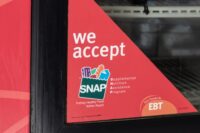
The theme, “The Power of Nurses,’ prompted me to think about how and where our “power” is most needed to make a difference. Right now, our country is facing several major challenges negatively affecting lives, especially those of vulnerable populations. As nurses, we understand how these challenges affect health. Whether individually or in groups, nurses can engage with stakeholders to address the underlying causes. We understand the relationship between illness and housing, food, education, and other social determinants (Rabbitt et al., 2025).
Why should we engage and use our superpower as nurses? The simple answer is that it is the right thing to do. We are uniquely positioned to understand the consequences of inaction. Our Code of Ethics speaks to our responsibilities for “civic engagement and fostering societal flourishing” (ANA, 2025b). Nurses’ intentional actions can continue to build public trust, as nurses make things happen and transform lives.
As I reflect, I do not see things improving anytime soon unless individuals, particularly nurses, actively create and influence solutions. For example, nurses can both develop and influence solutions to address the lack of insurance. Right now, this is a priority, as the number of uninsured or underinsured people is rising, marking the first increase in the uninsured rate since 2019 (Tolbert et al., 2026). The number of uninsured has already risen due to legislative changes in the 2025 budget reconciliation law affecting Medicaid and the Affordable Care Act Marketplace, the expiration of premium tax credits, and other actions. As the number of uninsured people increases, a chain reaction creates other problems. People must make hard decisions. Do they pay for the medication they need or for the family’s food?
I started this message with a question: What power do nurses have? I think they will have it if they choose to use it. As demonstrated time and again and shown in the ANA videos, nurses make a profound difference in individual patient situations. We, as nurses, are not good at recognizing and celebrating our power. Take the first step by addressing one of your community challenges or threats to health and well-
being. Drop me an email at President@ANA-Ohio.org to share your thoughts.
References
American Nurses Association. (2025a). A nurse saved our family ranch. https://youtu.be/IAk9zNugFtI?si=WF4qsfA4USXwvuMU.
American Nurses Association. (2025b). Code of ethics for nurses. https://www.nursingworld.org/practice-policy/nursing-excellence/ethics/code-of-ethics-for-nurses/
Rabbitt, M. P., Reed-Jones, M., Hales, L. J., Suttles, S., & Burke, M. P. (2025). Household food security in the United States in 2024 (Report No. ERR-358). U.S. Department of Agriculture, Economic Research Service. https://doi.org/10.32747/2025.9458834.ers
Tolbert, J., Cervantes, S., Bell, C., & Damico, A. (2026). Key facts about the uninsured population. KFF Health. https://www.kff.org/uninsured/key-facts-about-the-uninsured-population/