
Marijuana Exposure in Children and Teens: Accidents to Hyperemesis
 Legalization and increased availability of cannabis products across the United States have contributed to rising rates of pediatric exposures and adolescent complications related to both accidental ingestion and chronic use. Nurses play an essential role in recognizing the clinical presentation and providing important family education regarding cannabis use. This paper summarizes current evidence and trends seen across Oklahoma.
Overview of Cannabis and Physiologic Effects
Cannabis is derived from the dried components of the Cannabis plant, which contains numerous chemical compounds, most notably tetrahydrocannabinol (THC), the primary psychoactive component. THC alters mood, perception, and cognition while producing physiologic changes including tachycardia, hypertension, increased appetite, and impaired coordination (National Institute on Drug Abuse [NIDA], 2024). Short-term adverse effects may include anxiety, fear, panic, hallucinations, and intoxication, whereas long-term use is associated with respiratory problems, cardiovascular strain, increased cancer risk, and cannabinoid hyperemesis syndrome (Wang, 2025).
Cannabis products exist in multiple formulations, including dried plant material for smoking, oils and concentrates, tinctures, topical preparations, and edibles. Edible cannabis products pose particular risk to children due to their visual similarity to snacks and candies. In contrast, cannabidiol (CBD), a largely non-intoxicating form derived from Cannabis sativa-L, has limited approved medical uses. Epidiolex, the only FDA-approved CBD medication, is indicated for specific seizure disorders and differs significantly from over-the-counter CBD products (Jazz Pharmaceuticals, 2025).
Legalization Context in Oklahoma
Oklahoma legalized medical marijuana through State Question 788, passed in June 2018 and implemented in September 2018. Increased access to THC-containing products within homes has contributed to a rise in unintentional pediatric exposures. Families may underestimate both the potency of modern cannabis and the importance of secure storage.
Pediatric Accidental Ingestions
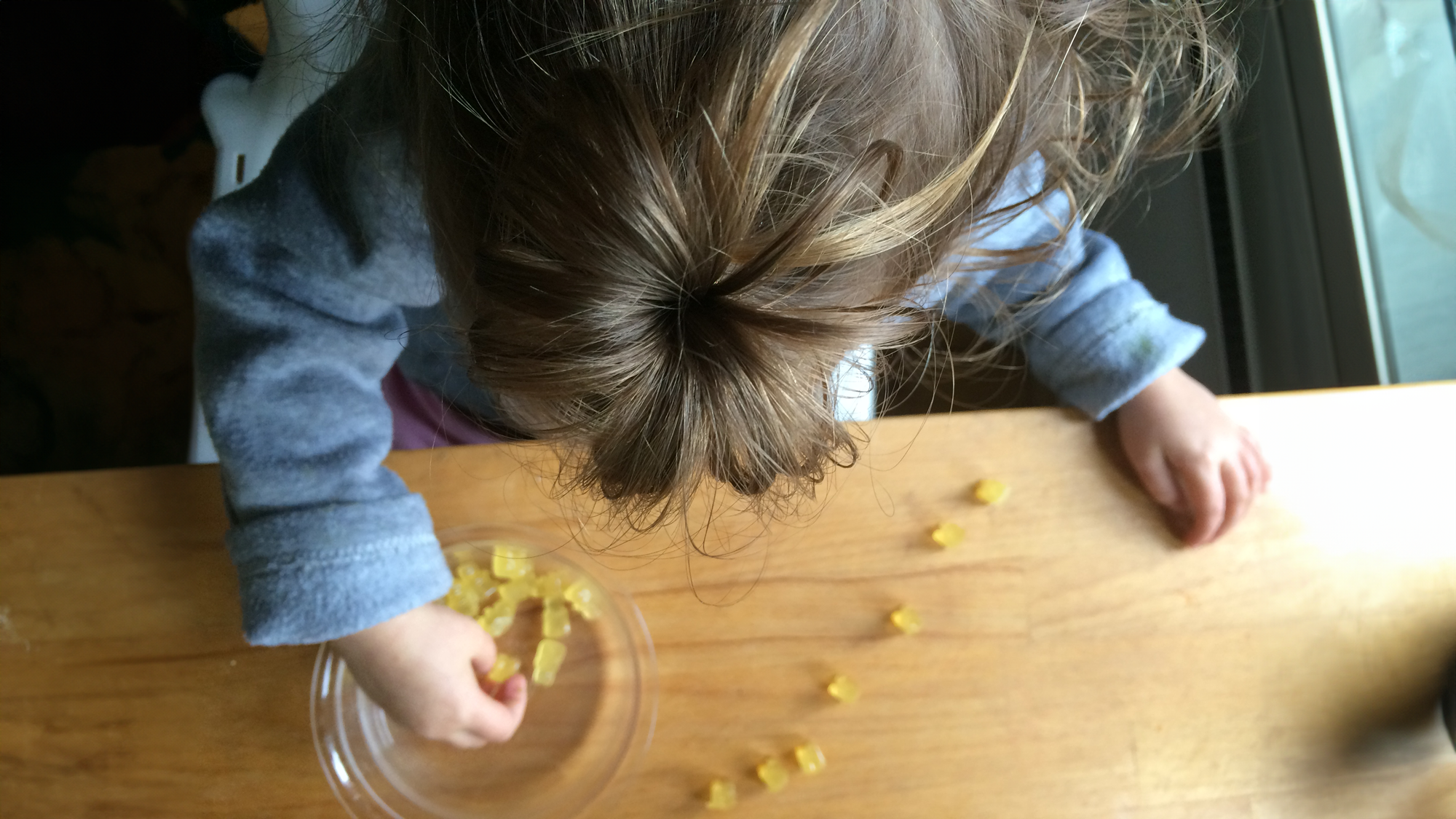
Accidental THC ingestion in children has increased substantially in recent years, particularly from 2016 to 2023, paralleling increased household availability of edible products (DeLeon et al., 2025). Young children are especially vulnerable given developmental tendencies toward oral exploration and inability to differentiate cannabis edibles from common snacks and food items.
Clinical Presentation and Initial Evaluation
Altered mental status is the most consistent and concerning feature of pediatric cannabis ingestion. Additional symptoms include somnolence, ataxia, irritability, nystagmus, tachycardia, hypertension, and nausea or vomiting (Wang, 2025). Because these findings overlap with many emergent pediatric conditions—infectious, traumatic, neurologic, or toxicologic—initial evaluation must be broad.
A urine drug screen (UDS) detecting THC metabolites supports diagnosis, particularly when combined with clinical symptoms. False positives are rare; also, important to note that standard immunoassays do not detect synthetic cannabinoids such as “K2” or “spice” (Cue et al., 2025).
Management
Consultation with Poison Control is advised although treatment for pediatric accidental ingestion is primarily supportive. Recommended measures include airway and vital sign monitoring, blood glucose assessment, intravenous fluids, strict urinary output monitoring, and environmental modifications to reduce stimulation. Short-acting benzodiazepines may be considered for severe agitation (Wang, 2025). Most children recover with observation; however, prolonged somnolence can cause significant family distress.
Cannabinoid Hyperemesis Syndrome in Adolescents
Cannabinoid hyperemesis syndrome (CHS) is characterized by cyclic nausea, intractable vomiting, and severe mid-epigastric abdominal pain. Although traditionally associated with long-term heavy cannabis use, more adolescents are presenting after only months of intensive consumption (Aziz et al., 2020). A hallmark feature of CHS is transient symptom relief with hot showers or baths.
Diagnostic Workup
Like work-up for accidental ingestions, UDS in conjunction with clinical exam and thorough history are essential. Additional work-up is likely to include a basic metabolic panel to identify electrolyte abnormalities, complete blood count, urinalysis, electrocardiogram, and urine pregnancy test if applicable. (Cue et al., 2025).
Treatment
The most important intervention is complete cessation of cannabis use. Acute management often includes intravenous hydration and antiemetics such as ondansetron, promethazine, or diphenhydramine. When first-line medications are ineffective, adjunctive options include haloperidol, droperidol, lorazepam, topical capsaicin, and/or fosaprepitant/aprepitant (Aziz et al., 2020). Severe cases frequently require hospitalization for hydration and nutritional support.
Prevention and Education
Nurses are central to prevention efforts, particularly through anticipatory guidance. Core education elements include safe storage of cannabis products—locked, out of sight, and out of reach. Other important guidance involves avoiding edible storage near food and refraining from cannabis use in the presence of children. All families with small children should be aware of how contact their local Poison Control Center (1-800-222-1222).
Conclusion
With increasing marijuana availability, pediatric accidental ingestion and adolescent hyperemesis represent growing clinical challenges. Nurses must remain vigilant in recognizing symptoms and providing targeted, practical education to reduce risk. Continued professional awareness and public health advocacy remain essential as cannabis use continues to rise.
Dr. Beth Condley is a dedicated pediatric nurse practitioner and Assistant Professor at the OU College of Nursing, where she brings nearly twenty years of experience caring for children and supporting families. She splits her time between teaching future nurses and serving as a pediatric hospitalist APRN at OU Children’s Hospital, where her calm, compassionate approach helps young patients feel safe and supported. Dr. Condley has a special passion for improving the way healthcare is delivered to kids, and she loves using hands on simulation to help students build confidence before stepping into real world clinical situations. A lifelong learner, she holds degrees from Oklahoma State University, the University of Alabama at Birmingham, and the University of Oklahoma Health Sciences Center, and she has been recognized with multiple honors for teaching, community service, and clinical excellence. Most of all, Dr. Condley is committed to strengthening the health of Oklahoma families and empowering the next generation of pediatric caregivers. [nursing.ouhsc.edu]
References
Aziz, A., Waheed, T., Oladunjoye, O., Oladunjoye, A., Hanif, M., & Latif, F. (2020). Topical capsaicin for treating cannabinoid hyperemesis syndrome. Case Reports in Gastrointestinal Medicine, 2020, 8868385. https://doi.org/10.1155/2020/8868385
Cue, L., Chu, F., & Cascella, M. (2023). Cannabinoid hyperemesis syndrome. In StatPearls. StatPearls Publishing. https://www.ncbi.nlm.nih.gov/books/NBK549915/
DeLeon, S., Kutteh, L., Rector, H., Sowdagar, S., Garbe, M. C., & Harris, C. (2025). Oklahoma is not OK: The impact of medical marijuana legalization on our children [PowerPoint slides].
Jazz Pharmaceuticals. (2025). What is Epidiolex? https://www.epidiolex.com/what-is-epidiolex
National Institute on Drug Abuse. (2024). Cannabis (Marijuana). https://nida.nih.gov/research-topics/cannabis-marijuana
Wang, G. S. (2025). Cannabis (marijuana): Acute intoxication. UpToDate.