
Nurse educators hold a unique and influential position within health care. We bridge the art of practice with the science of teaching, translating clinical expertise into knowledge, skills, and professional values for future nurses. Whether in the classroom, skills lab, clinical setting, or online environment, each interaction provides students with the tools they need to deliver safe, compassionate, and evidence-based care. As a nurse educator, I am constantly reminded of why this role matters. Each student represents a future filled with potential to heal, to advocate, and to lead. Yet a growing shortage of nurse educators threatens this essential link in the workforce pipeline. If we are to address the nursing shortage, we must begin by strengthening the foundation of nurse education itself.
The shortage of nurse educators is a growing nationwide challenge that directly impacts our capacity to prepare the nursing workforce required to meet rising health care needs (Jaronsinski et al., 2022). Data continues to highlight the widening gap between the demand for nurses and the number of qualified educators available to teach them. In 2023–2024, nursing programs turned away nearly 66,000 qualified applicants due largely to faculty shortages and limited resources (American Association of Colleges of Nursing [AACN], 2024). In October 2023, data from the AACN’s Special Survey on Vacant Positions reflected 1,977 full-time faculty openings across 922 nursing programs, with a vacancy rate of 7.8% nationally (AACN, 2024). Without immediate attention, this shortage will continue to fuel the broader nursing workforce crisis.
Becoming a nurse educator is more than accepting a teaching role. It is answering a call to empower the next generation in health care. Educators extend their clinical expertise to influence practice, instill professional values, and inspire lifelong learning. Each day brings opportunities to cultivate critical thinking, model professional behavior, and guide students as they develop confidence and competence. The lasting fulfillment of this work lies in knowing our influence reaches far beyond the learning environment, shaping practice and advancing the profession.
The future of nursing depends on those willing to teach. Exploring teaching opportunities, whether through part-time clinical instruction, academic roles, or advanced preparation in nursing education, is a tangible way to make a difference. By stepping forward now, we ensure tomorrow’s workforce is prepared, resilient, and ready to meet the growing health care needs of our communities. Nursing education is more than a profession; it is the heart of nursing’s future.
Biography
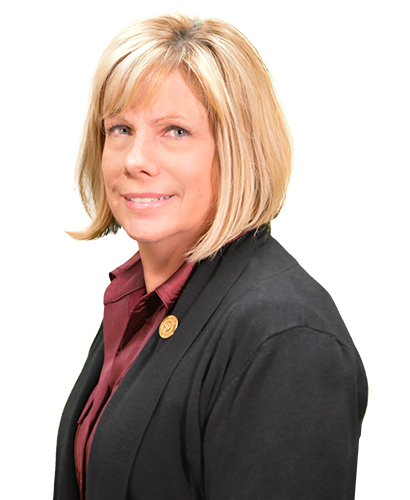
Monique Prosper-Torrence is an RN-to-BSN instructor, teaching courses in health promotion and quality improvement. She holds a Doctor of Nursing Practice and a Master of Public Health, and brings a diverse background in clinical education, community health, and maternal-newborn nursing to her teaching. She helps students apply evidence-based practice to provide high-quality, patient-centered care while supporting the health and well-being of the communities they serve.
References
American Association of Colleges of Nursing. (2024). Nursing faculty shortage fact sheet. https://www.aacnnursing.org/news-data/fact-sheets/nursing-faculty-shortage
Jarosinski, J., Seldomridge, L., Reid, T. & Willey, J. (2022). Nurse faculty shortage. Nurse Educator, 47(3), 151-155. https://doi.org/10.1097/NNE.0000000000001139














1 Comment. Leave new
The article written by Doctor Proctor-Torrence had renewed my enthusiasm for the nursing profession and education. I am a family nurse practitioner who had worked as a med-surg. in-patient bedside nurse for more than 10 years, before obtaining my MSN/FNP. I have been disenchanted by the changes in the quality of healthcare delivery. I have grown jaded over the years, by the lack of interest and devotion for the profession, demonstrated by too many who are actively involved.
Ms. Prosper-Torrence reminded me of the great role models, in the nursing profession, I have admired and who have inspired me to be the best nursing professional I am able to be. Thank you, Ms. Prosper-Torrence.
Margareth Preston-Erie, RN,BSNC,MSN,FNP,BC.