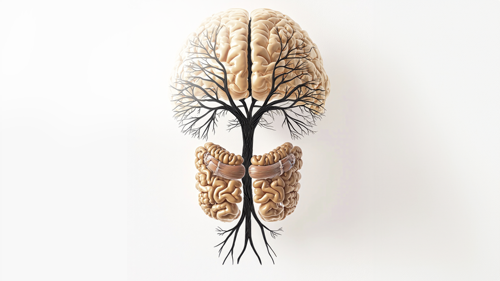
Research into the gut–brain axis indicates an influence on mental health.
- An imbalance in gut bacteria can overstimulate the immune system and trigger inflammation that contributes to conditions such as depression.
- Research shows that therapies focused on increasing microbial diversity—particularly through dietary changes and probiotic supplementation—can help reduce depressive symptoms.
- Nurses can play a critical role in promoting patient overall well-being by providing education about nutritional strategies that support a healthy gut microbiome and, in turn, better mental health.
Learning Objectives
- Describe how the gut microbiome affects mental health.
- Explain how dysbiosis contributes to depression.
- Identify gut-focused interventions that may reduce symptoms.
Reflective Learning Question 1:
In what ways might dysbiosis influence patient outcomes in mental health care?
Reflective Learning Question 2:
How can you apply gut-focused interventions in your practice to support patients with depression?
No relevant financial relationships were identified for any individuals with the ability to control content of the activity.
Expiration: 6/1/29
1.5 ANCC contact hours
THE INTRICATE RELATIONSHIP between the gut and the brain has garnered increasing attention, particularly its role in influencing brain function, behavior, and mental health disorders such as depression. This communication pathway involves a complex interplay of neural, hormonal, and immune mechanisms with gut bacteria playing a pivotal role. According to Zhao and colleagues, an imbalance in the gut microbiota has been implicated in the pathogenesis of depression and provides insight into understanding potential prevention and treatment opportunities.
The microbiome
Human function relies on the bacteria, fungi, protozoa, viruses, and other live microorganisms that make up the microbiome. In the past 10 years, an explosion of research has investigated the connection of the microbiome to both health and disease. Wilson and colleagues note that most studies focus on gut bacteria, but essential and working microbes also exist on the skin, scalp, eyes, mucous membranes, and teeth.
Ideally, the microbiome is diverse and full of colonies of good bacteria that aid digestion and absorption, produce enzymes, and combat harmful bacteria. Indeed, synthesis and absorption of some essential nutrients can occur only with the assistance of the gut microbiome. Gut bacteria produce short-chain fatty acids used by the cells that line the gut and provide a communication link between the nervous and immune systems. A balanced and healthy gut biome synthesizes vitamins B1, B9, B12, and K.
Tan and colleagues note that when harmful bacteria outweigh beneficial species, dysbiosis occurs, which can lead to an overactive immune system, triggering inflammation. Harmful bacteria produce inflammation molecules, which compromise cells in the intestinal barrier (leaky gut). Xiong and colleagues explain that leaky gut allows allergens, toxins, bacteria, or undigested food to leak into the bloodstream. The body responds by attacking these foreign objects, resulting in inflammation and an allergic response.
At birth, infants begin developing a gut microbiome, which diversifies over the lifespan. This development starts during vaginal birth with exposure to uterine, vaginal, and skin microbes.
According to Wilson and colleagues, babies born by cesarean delivery face a disadvantage. They’re born in a sterile environment and are more frequently exposed to antibiotics. Cukrowska and colleagues found that babies born by cesarean delivery may have a less diverse microbiome and a higher risk for developing infection or allergies. Research by LaPoint and colleagues on deliberate “seeding” of the baby’s mucous membranes with vaginal swabs from the mother points to an improved microbiome; however, not enough evidence exists to recommend this practice.
In addition, breastfed infants benefit from high levels of Bifidobacterium infantis, which aids in digesting breastmilk. As a child grows, microbiome diversity improves as they’re exposed to an increasing number of people in the household, to pets and farm animals, and to a diet of whole, unprocessed foods.
Neurotransmitters and brain function
The microbiome plays an intricate role in immune and brain function. Cukrowska and colleagues discuss how microbiome imbalance alters inflammation and immune function, linking dysbiosis to inflammatory diseases such as type 2 diabetes, metabolic syndrome, cancer, arthritis, eczema, and allergic reactions. Xiong and colleagues note that the gut microbiota also has been linked to triggering and worsening several mental health illnesses, including depression, schizophrenia, post-traumatic stress disorder, and anxiety, as well as conditions such as Alzheimer’s disease and autism.
According to Liu and colleagues, the gut produces 80% to 90% of an individual’s neurotransmitters, including serotonin, norepinephrine, dopamine, and gamma-aminobutyric acid. For example, the beneficial microbe B. infantis converts dietary tryptophan (from poultry, eggs, fish, dairy products, soy products, and seeds and nuts) into serotonin. Brushett and colleagues describe how serotonin helps to regulate mood, sleep, and behavior and is the target of most antidepressive medications. These essential neurotransmitters are excreted by the gut microbes after taking in insoluble fiber and precursors (such as tryptophan).
Wilson and colleagues note that a healthy gut biome with a strong diversity of microflora plays a role in brain signal transmission and healthy nerve development, which can affect behavior in stressful situations. The gut microbiome has a bidirectional relationship with the brain. This gut–brain axis facilitates the connection between the enteric and central nervous systems via various methods of communication and influence.
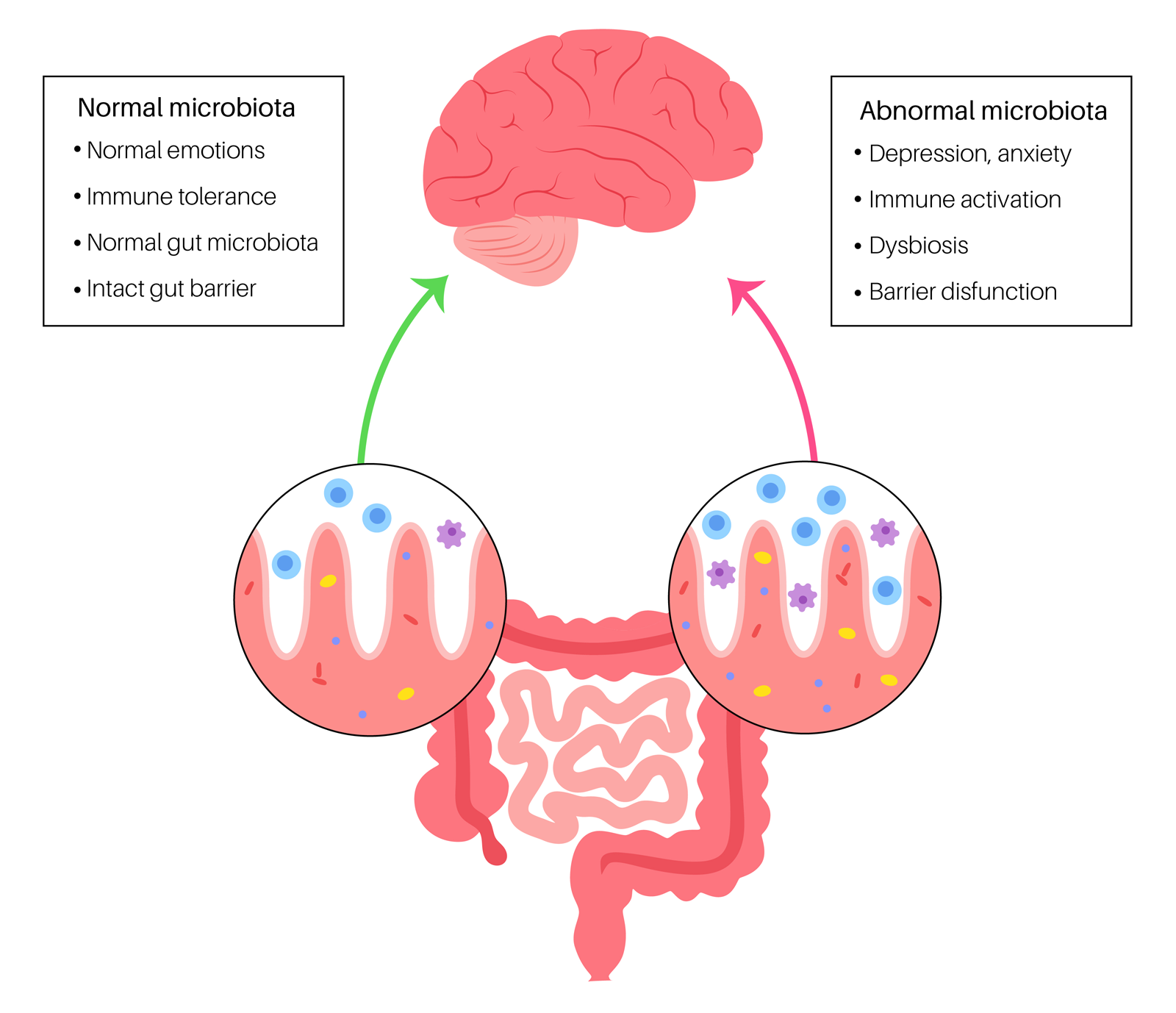
Emerging research by Tan and colleagues points to the gut–brain axis in the triggering and progression of mental health conditions, including depression. These researchers note that dysbiosis can disrupt communication and lead to alterations in neurotransmitter production, inflammation, and an altered stress response, all of which are implicated in the development of depression. (See Gut–brain axis.)
Gut–brain axis
The bidirectional relationship between the gut and the brain plays a significant role in overall health, including mental health.
Depression
The National Institutes of Health (NIH) defines depression as the persistent experience of sadness and apathy, along with hopelessness, worthlessness, loss of confidence, fatigue, hypersomnia, insomnia, changes in appetite/weight, guilt, and suicidal ideation. The NIH considers depression, classified as mild, major, or persistent, a major public health issue.
The cause of depression still isn’t fully understood, but it may involve multiple factors, including dysregulation of neurotransmitters (serotonin, dopamine, glutamate, norepinephrine, and others) and neuroimmune pathways, as well as a genetic predisposition and inflammation. Tan and colleagues describe an association between depression and an imbalance in the hypothalamic–pituitary–adrenal axis. They also note higher levels of inflammatory factors, such as cytokines, in people with depression and that individuals with high levels of cytokines from an inflammatory disease experience more depression.
According to Correia and colleagues, people with depression have lower levels of brain-derived neurotropic factor (BDNF), a widely studied neurotrophin. The lower the BDNF levels, the greater the depressive symptoms and inflammation. These authors report that antidepressant medications targeting serotonin (selective serotonin reuptake inhibitors) and glutamate (ketamine) can restore BDNF levels and have variable effects on reducing inflammation.
Depression and the microbiome
Limited research exists on how gut microbiota influence mental health. For example, we don’t understand the degree of dysbiosis needed for a causal connection to depression. However, Tan and colleagues note that dysbiosis contributes to inflammation by increasing intestinal permeability, which can mediate the inflammatory response by releasing cytokines. This systemic inflammatory response is linked to depression. The gut microbiome also may play a role in mediating the stress response. According to Brushett and colleagues, disrupting this pathway can lead to symptoms of depression.
Studies have shown an association between gut microbiome dysbiosis and the development and severity of depression. In a study by Capuco and colleagues, fecal samples from people diagnosed with depression showed decreased microbiome diversity. Zhao and colleagues found close links between alterations in the gut microbiome and major depression, highlighting the potential role of dysbiosis in the condition’s pathogenesis.
Research from Zhao and colleagues shows that the composition of the gut microbiome influences the likelihood of developing depression, with certain microbes offering protection and others contributing to vulnerability. They found an association between several butyrate-producing genera, such as Faecalibacterium and Ruminococcaceae, and a reduced risk of depression due to their anti-inflammatory effects and ability to maintain gut barrier integrity. They also linked higher levels of Bifidobacterium and Lactobacillus, both frequently used in probiotics, to lower depressive symptoms and improve emotional regulation.
In the same study, Zhao and colleagues found an association between microbial taxa such as Alistipes, Eggerthella, and Oscillibacter and an increased risk of depression, likely due to their roles in producing pro-inflammatory metabolites and contributing to dysbiosis. Evidence indicates that these “risk” microbes may contribute to pathways involving inflammation, altered neurotransmitter synthesis, and stress-related metabolic changes. Together, these findings highlight the complex but meaningful role of specific gut microbes in shaping mental health risk and resilience.
Depression itself also affects the composition of the gut microbiome, as alterations in mood and stress physiology can shift microbial diversity and metabolic activity, a pattern described by Brushett and colleagues in their work on the reciprocal links between emotional states and gut microbial function. These findings reflect the bidirectional nature of the gut–brain axis, in which changes in mental health can disrupt gut ecology while disruptions in gut ecology can, in turn, influence neurotransmitter production and inflammatory pathways connected to depression, a relationship further supported by Xu and colleagues in their review of antidepressant–microbiota interactions.
A clinical pilot study by Wallace and Milev showed that probiotics reduced symptoms of depression in individuals with untreated moderate depression, demonstrating how targeted microbial interventions may influence mood states through this two-way biological communication. Study participants reported enhanced mood, reduced anxiety, and improved sleep. Post-intervention assessments showed a shift from moderate to mild depression, although not all symptoms resolved fully. The authors emphasize the need for larger, placebo-controlled trials to clarify the direct effects of probiotics on depressive symptoms and better understand the therapeutic potential of microbiome-based approaches.
Dietary supplementation
Prebiotics, probiotics, and symbiotics play a critical role in dietary recommendations and supplementation aimed at addressing dysbiosis, which may play a role in depression.
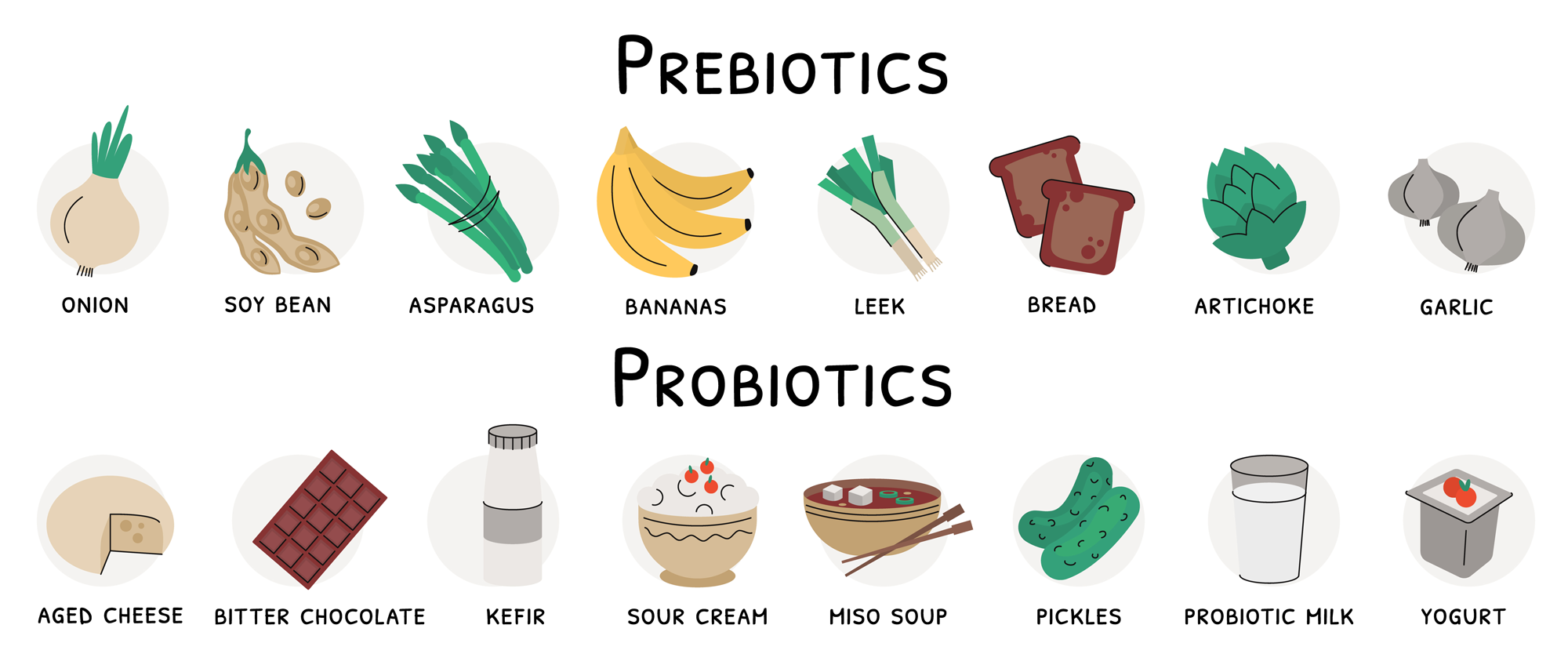
Prebiotics, nondigestible fibers that feed the gut microbiota, are found in vegetables, whole grains, and beans. Probiotics are living microorganisms with positive health effects. They include Bifidobacteria, Lactobacillus acidophilus, Lactobacillus reuteri, Lactobacillus rhamnosus, and Saccharomyces boulardii. Probiotics are found naturally in yogurt, sauerkraut, miso, kefir, pickles, sourdough, some cheeses (such as aged cheddar, feta, and Gouda), apple cider vinegar, and buttermilk. Symbiotics, manufactured products, contain both pre- and probiotics. They’re commonly used to treat irritable bowel syndrome, dermatitis, allergies, and several autoimmune diseases. According to Chudzik and colleagues, animal and human studies support the use of prebiotics, probiotics, and synbiotics to improve cognitive function, reduce circulating cytokines and inflammation, improve sleep, and decrease depression symptoms.
The National Institute for Health and Care Excellence and the American Psychological Association recommend treating depression with psychotherapy and medications, such as antidepressants. However, according to Xu and colleagues, this approach fails to produce full recovery for many individuals. These researchers also describe the side effects of antidepressant medications (such as nausea, weight gain, and sexual dysfunction) and note that they may require several weeks of use before reaching a therapeutic dosage, limiting their effectiveness for many patients.
In their analysis of antidepressant–microbiota interactions, Xu and colleagues report that prolonged use of certain antidepressants can contribute to dysbiosis, disrupting the balance of the gut microbiome. They note that this dysbiosis can promote the overgrowth of specific bacterial taxa (such as Clostridium species) that intensify inflammation or exacerbate depressive symptoms. Xu and colleagues also explain that these microbiome disruptions can, in turn, reduce the overall effectiveness of antidepressant medications.
According to Chudzik and colleagues, therapies aimed at improving the microbial diversity of the gut have been shown to improve depressive symptoms. Probiotic supplementation with specific probiotic strains, such as Lactobacillus rhamnosus or Bifidobacterium longum, have successfully reduced depressive symptoms, according to Xiong and colleagues. The researchers found that probiotic supplementation with these specific strains directly affected neurotransmitter metabolism, reduced hyperactivity of the stress axis, and increased BDNF, which is involved in brain and nerve development and maintenance.
Nursing interventions
Patient education serves as an opportunity for nurses to share information about nutritional interventions that support a diverse gut microbiome aimed at improving overall health, including mental health. That education should include an explanation of the gut–brain axis and its potential health effects, as well as an explanation of the benefits of an anti-inflammatory diet, which Xiong and colleagues describe as rich in fiber, fermented foods, and Omega-3 fatty acids (such as found in cold-water fish) with limited processed foods and sugars. (See Anti-inflammatory diet.)
Anti-inflammatory diet
An anti-inflammatory diet includes foods high in prebiotics and probiotics.
Nurses also can share information about probiotic and prebiotic supplements, which come as capsules, tablets, powders, and drinks. The most commonly marketed probiotics include Lactobacillus and Bifidobacterium species; Saccharomyces boulardii is a commonly used yeast probiotic supplement. Wallace and Milev describe these supplements as safe for healthy individuals, but note that natural foods remain the preferred source.
Nurses should explain to patients that common side effects of pre- and probiotic therapy include gas and bloating. Dosage is measured in colony-forming units; however, few clear guidelines exist regarding condition-specific dosages. Cukrowska and colleagues note that patients receiving chemotherapy and those with compromised immune function can benefit from probiotic and prebiotic supplements. However, nurses should advise patients to consult with their providers before taking any supplements.
Valuable insights, more research
Recent research offers valuable insights into mechanisms linking gut dysbiosis to depression and highlights potential benefits of probiotic supplementation. Diet remains fundamental to a healthy gut microbiome. Further research will help us better understand its complexities and establish guidelines about the types and amounts of probiotics appropriate for influencing depression.
The authors work at Austin Peay State University in Clarksville, Tennessee. Debra Rose Wilson is Chair of Excellence and a professor at Austin Peay State University in Clarksville, Tennessee, and contributing faculty at Walden University. Leslie Binford is an assistant professor at Austin Peay State University.
American Nurse Journal. 2026; 21(6). Doi: 10.51256/ANJ052606
References
American Psychological Association. Depression. 2026. apa.org/topics/depression
Brushett S, Gacesa R, Vich Vila A, et al. Gut feelings: The relations between depression, anxiety, psychotropic drugs, and the gut microbiome. Gut Microbes. 2023;15(2):2281360. doi:10.1080/19490976.2023.2281360
Capuco A, Urits I, Hasoon J, et al. Current perspectives on gut microbiome dysbiosis and depression. Adv Ther. 2020;37(4):1328-46. doi:10.1007/s12325-020-01272-7
Chudzik A, Orzyłowska A, Rola R, Stanisz GJ. Probiotics, prebiotics and postbiotics on mitigation of depression symptoms: Modulation of the brain–gut–microbiome axis. Biomolecules. 2021;11(7):1000. doi:10.3390/biom11071000
Correia AS, Cardoso A, Vale N. BDNF unveiled: Exploring its role in major depression disorder serotonergic imbalance and associated stress conditions. Pharmaceutics. 2023;15(8):2081. doi:10.3390/pharmaceutics15082081
Cukrowska B, Bierła JB, Zakrzewska M, Klukowski M, Maciorkowska E. The relationship between the infant gut microbiota and allergy. The role of Bifidobacterium breve and prebiotic oligosaccharides in the activation of anti-allergic mechanisms in early life. Nutrients. 2020;12(4):946. doi:10.3390/nu12040946
LaPoint P, Banks K, Bacorn M, et al. Can vaginal seeding at birth improve health outcomes of cesarean section-delivered infants? A scoping review. Microorganisms. 2025;13(6):1236. doi:10.3390/microorganisms13061236
Liu T, Feenstra KA, Heringa J, Huang Z. Influence of gut microbiota on mental health via neurotransmitters: A review. J Artif Intell Med Sci. 2020;1(1):1-14. doi:10.2991/jaims.d.200420.001
National Institute of Health. Depression. 2024. nimh.nih.gov/health/publications/depression
Tan X, Zhang L, Wang D, et al. Influence of early life stress on depression: From the perspective of neuroendocrine to the participation of gut microbiota. Aging. 2021;13(23):25588-601. doi:10.18632/aging.203746
Wallace CJK, Milev RV. The efficacy, safety, and tolerability of probiotics on depression: Clinical results from an open-label pilot study. Front Psychiatry. 2021;12:618279. doi:10.3389/fpsyt.2021.618279
Wilson DR, Binford L, Hickson S. The gut microbiome and mental health. J Holist Nurs. 2024;42(1):79-87. doi:10.1177/08980101231170487
Xiong RG, Li J, Cheng J, et al. The role of gut microbiota in anxiety, depression, and other mental disorders as well as the protective effects of dietary components. Nutrients. 2023;15(14):3258. doi:10.3390/nu15143258
Xu F, Xie Q, Kuang W, Dong Z. Interactions between antidepressants and intestinal microbiota. Neurotherapeutics. 2023;20(2), 359-71. doi:10.1007/s13311-023-01362-8
Zhao Q, Baranova A, Cao H, Zhang F. Gut microbiome and major depressive disorder: Insights from two-sample Mendelian randomization. BMC Psychiatry. 2024;24(1):493. doi:10.1186/s12888-024-05942-6
Key words: microbiome, depression, dysbiosis














1 Comment. Leave new
I am interested in starting a podcast, please help guide me