Patient Safety
Nurses frequently need to ask personal and sensitive questions, even in the absence of an established therapeutic relationship. Through typical healthcare interactions, disclosures about…
Nurse-driven frailty screening
Home-based primary care (HBPC) involves routine and urgent primary care provided by an interprofessional team to frail vulnerable adults who would otherwise lack access…
Patient fall education poster
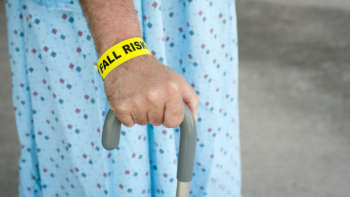
Patient falls in the acute inpatient setting remain a common safety concern. According to 2019 Patient Safety Network data, falls occur at a rate…
Nursing-led M&M conferences
The implementation of nursing-led morbidity and mortality conferences (NMMCs) in our neonatal intensive care unit emerged after experiencing several adverse patient outcomes and identifying…
Effective discharge education using the teach-back method
Emergency department providers frequently manage non-acute health issues, which could be more effectively addressed in other healthcare settings. This trend is evident in the…
Game on!
With education, nursing staff can improve their knowledge of patient safety, infection prevention, and organizational policies. But how effective is game-based learning? This quality…
ESCAPE from delirium
Falls in hospitals frequently coincide with delirium, a common yet sometimes unrecognized comorbidity among geriatric patients. Delirium is characterized by sudden, rapid cognitive impairment…
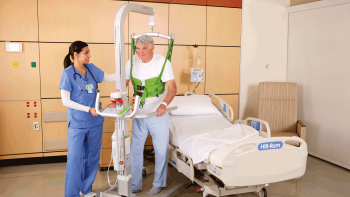
Who handles the handling?
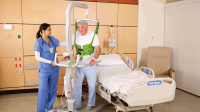
Healthcare organizations that have implemented effective safe patient handling and mobility programs report a reduction in healthcare worker injury rates related to manual patient…
Avoid restraints: De-escalation and acute agitation
In addition to the significant time and resources required to manage a patient experiencing agitation, these stressful situations can contribute to burnout among healthcare…
Fall TIPS: Reducing falls in a med-surg telemetry unit
The Agency for Healthcare Research and Quality states that fall prevention should include three steps: assess fall risk, develop a personalized prevention plan, and…
Building programs to reduce sharps injuries for insulin injection
Many people living with diabetes either self-inject insulin or other non-insulin injectables, or they rely on a healthcare or home provider. The use of…
Nurse leader rounds plus
Patients’ perceptions of their care may not correlate to the actual quality of care given but rather their beliefs about what they perceive as…
Communicating with patients about firearm safety
Nurses frequently need to ask personal and sensitive questions, even in the absence of an established therapeutic relationship. Through typical healthcare interactions,…
Nurse-driven frailty screening
Home-based primary care (HBPC) involves routine and urgent primary care provided by an interprofessional team to frail vulnerable adults who would otherwise…
Patient fall education poster
Patient falls in the acute inpatient setting remain a common safety concern. According to 2019 Patient Safety Network data, falls occur at…
Nursing-led M&M conferences
The implementation of nursing-led morbidity and mortality conferences (NMMCs) in our neonatal intensive care unit emerged after experiencing several adverse patient outcomes…
Effective discharge education using the teach-back method
Emergency department providers frequently manage non-acute health issues, which could be more effectively addressed in other healthcare settings. This trend is evident…
Game on!
With education, nursing staff can improve their knowledge of patient safety, infection prevention, and organizational policies. But how effective is game-based learning?…
ESCAPE from delirium
Falls in hospitals frequently coincide with delirium, a common yet sometimes unrecognized comorbidity among geriatric patients. Delirium is characterized by sudden, rapid…
Who handles the handling?
Healthcare organizations that have implemented effective safe patient handling and mobility programs report a reduction in healthcare worker injury rates related to…
Avoid restraints: De-escalation and acute agitation
In addition to the significant time and resources required to manage a patient experiencing agitation, these stressful situations can contribute to burnout…
Fall TIPS: Reducing falls in a med-surg telemetry unit
The Agency for Healthcare Research and Quality states that fall prevention should include three steps: assess fall risk, develop a personalized prevention…
Building programs to reduce sharps injuries for insulin injection
Many people living with diabetes either self-inject insulin or other non-insulin injectables, or they rely on a healthcare or home provider. The…
Nurse leader rounds plus
Patients’ perceptions of their care may not correlate to the actual quality of care given but rather their beliefs about what they…
Poll


NurseLine Newsletter
*By submitting your e-mail, you are opting in to receiving information from Healthcom Media and Affiliates. The details, including your email address/mobile number, may be used to keep you informed about future products and services.