

Road Trip to The Adirondacks
 Another summer is upon us: Colleges are on summer sessions, perhaps your local elementary and secondary schools are winding down their academic years, and VACATION is on everyone’s minds. Where to go? What to do? Day trips? Long trips? Well, hopefully this column will tempt you to think about motoring to Upstate New York and the Adirondacks. Our Destination? The Saranace Lake Laboratory & Museum.
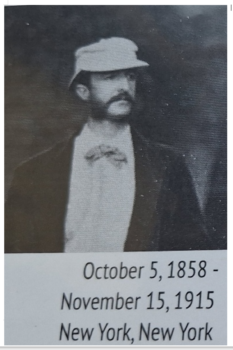
Imagine that you are born in the 19th century, living during extensive outbreaks of cholera, small pox, diptheria, and tuberculosis. Now imagine that at the age of 15, you are diagnosed with tuberculosis: a disease that was highly contagious and with no known cure could be and was for many, a death sentence (~14.3% of the population). That was what Edward Livingston Trudeau faced in 1873. Arriving in the Adirondack mountains, he lived in the cold mountain air of Saranac Lake, rested, ate a balanced diet, and by 1876 had convalesced back to health. As a result, Dr. Trudeau discovered his life’s work. He became the leading authority on how to: contain this disease, develop and pubicize public health standards, codify his treatment modalities, and care for the underpriviledged and marginalized in society; in other words, those most vulnerable to this disease. Dr. Trudeau and his family would live the rest of their lives in Saranac Lake.
The Adirondack Cottage Sanitarium (estab.1884) turned the Village of Saranac Lake into a small city as it were. Part of the history reads:
At the height of its success, the Sanatorium consisted of homes, over 50 buildings, a large main building, many patient and staff cottages, an infirmary, a workshop, a library, a laundry, a chapel, community rooms, and its own post office, Trudeau, N. Y. (https://www.saranaclake.com/attractions/saranac-laboratory-museum)
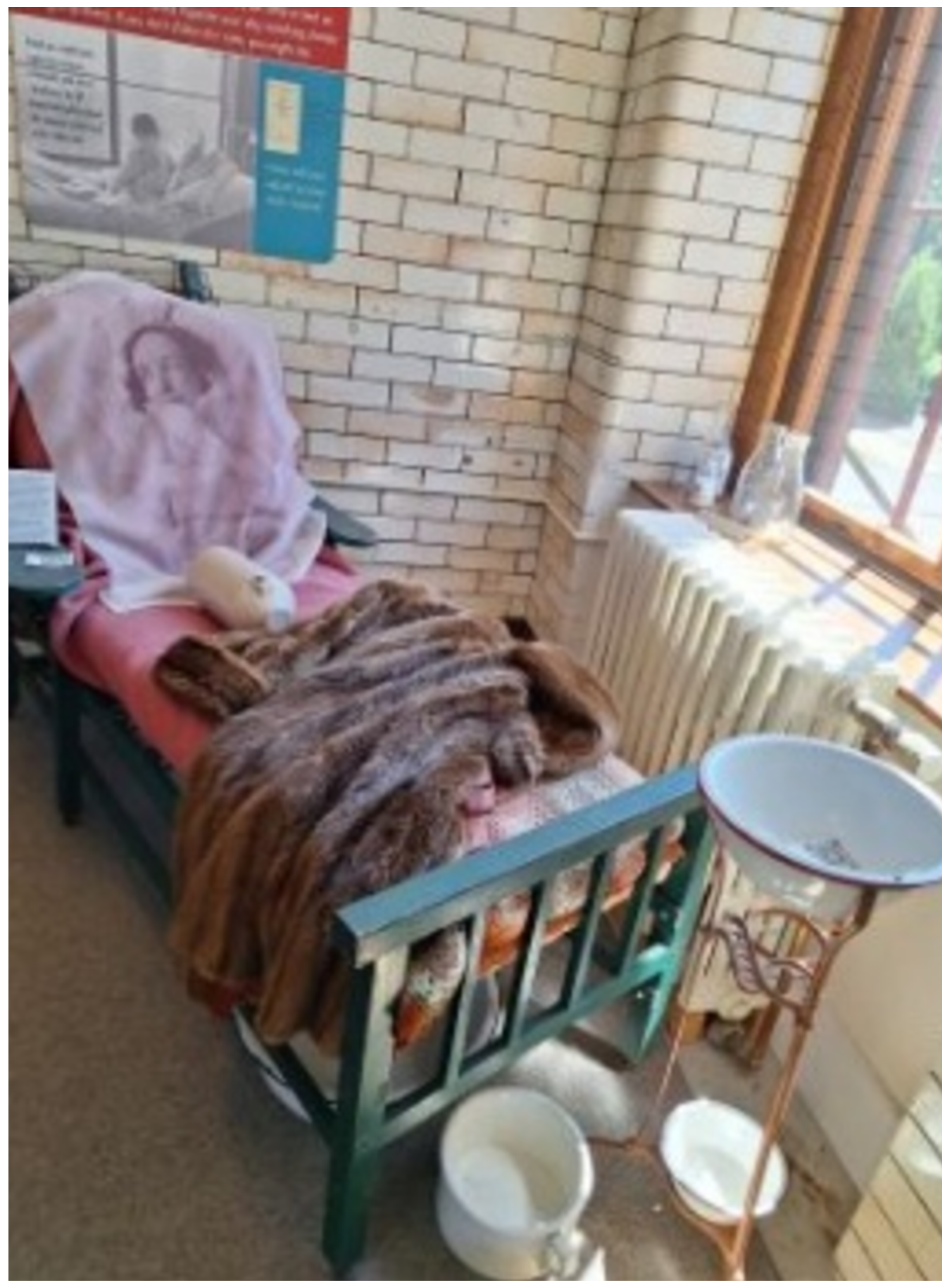
The patient or cure cottages were spartan in their appointments as this photo shows. Sunlight and good hygiene were important to morale because Dr. Trudeau believed that good mental health and a positive outlook promoted healing as much as good nutrition and fresh air. There were cottages that housed men and those that housed women. Even for married couples, there was no co-habitation rooms.
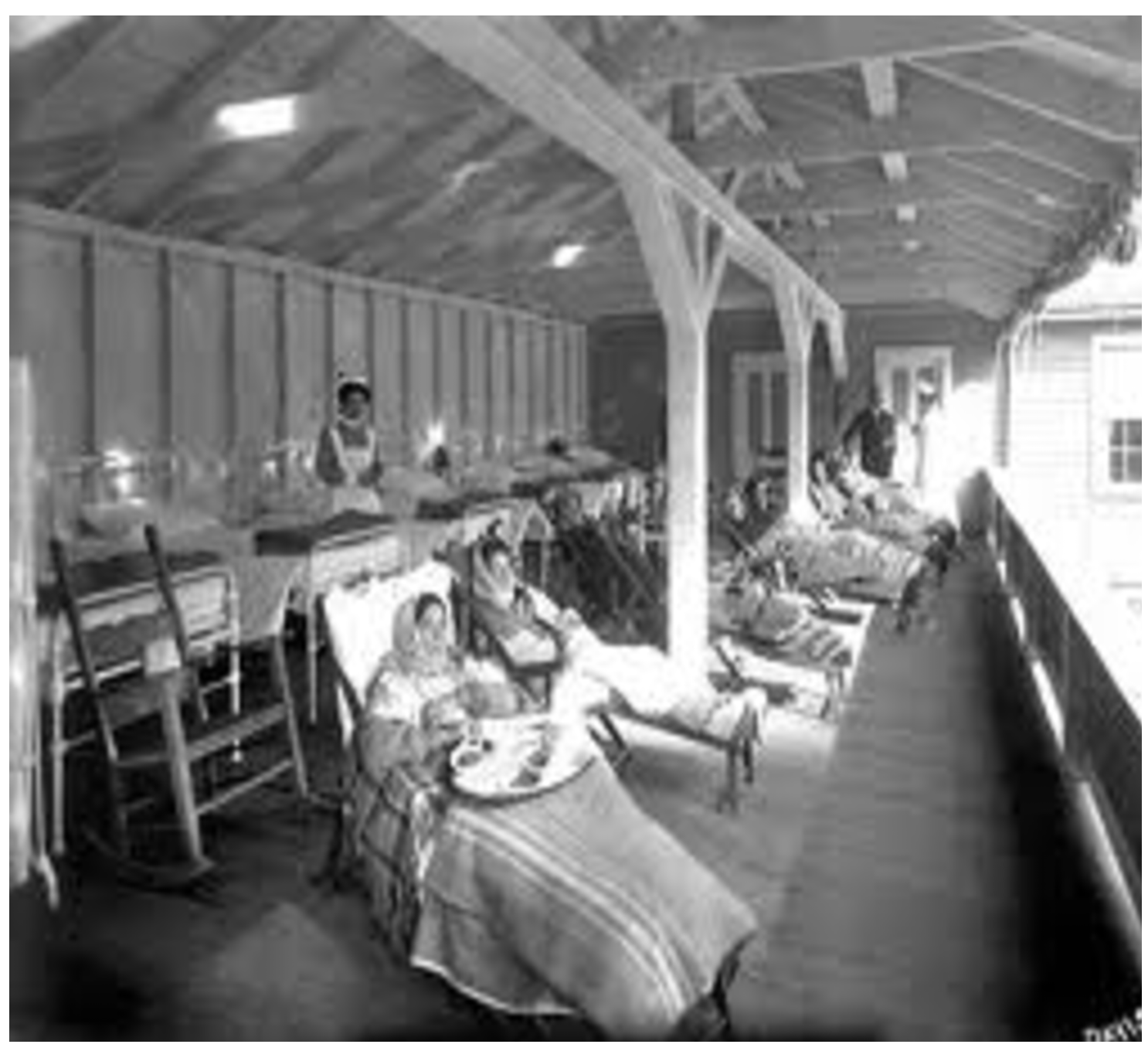
Patients spent hours sitting in recliners on the Convalescent Porches in every season. As this photo shows, distance between patients was maintained and nurses are seen in the background watching over their patients.
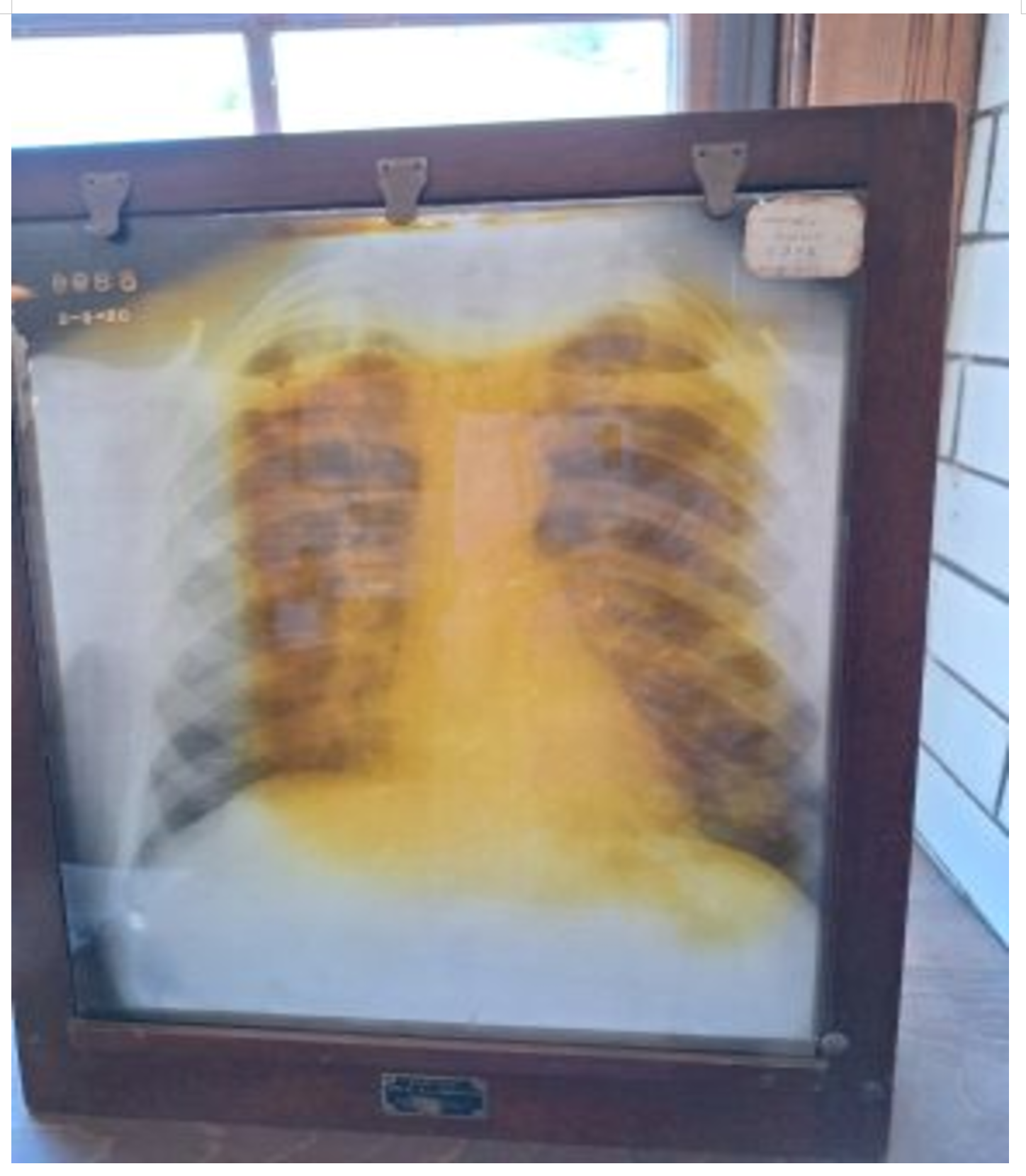
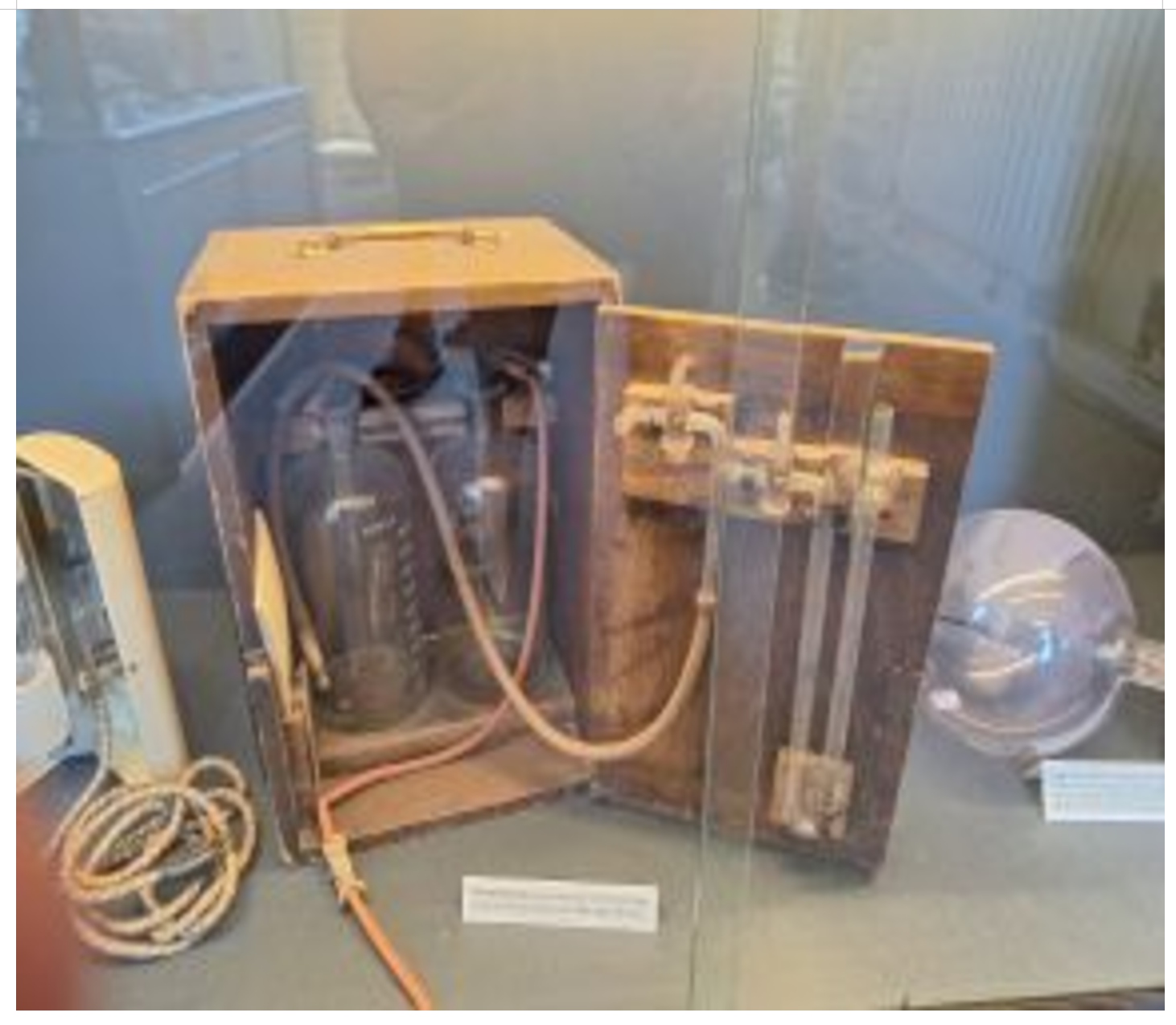
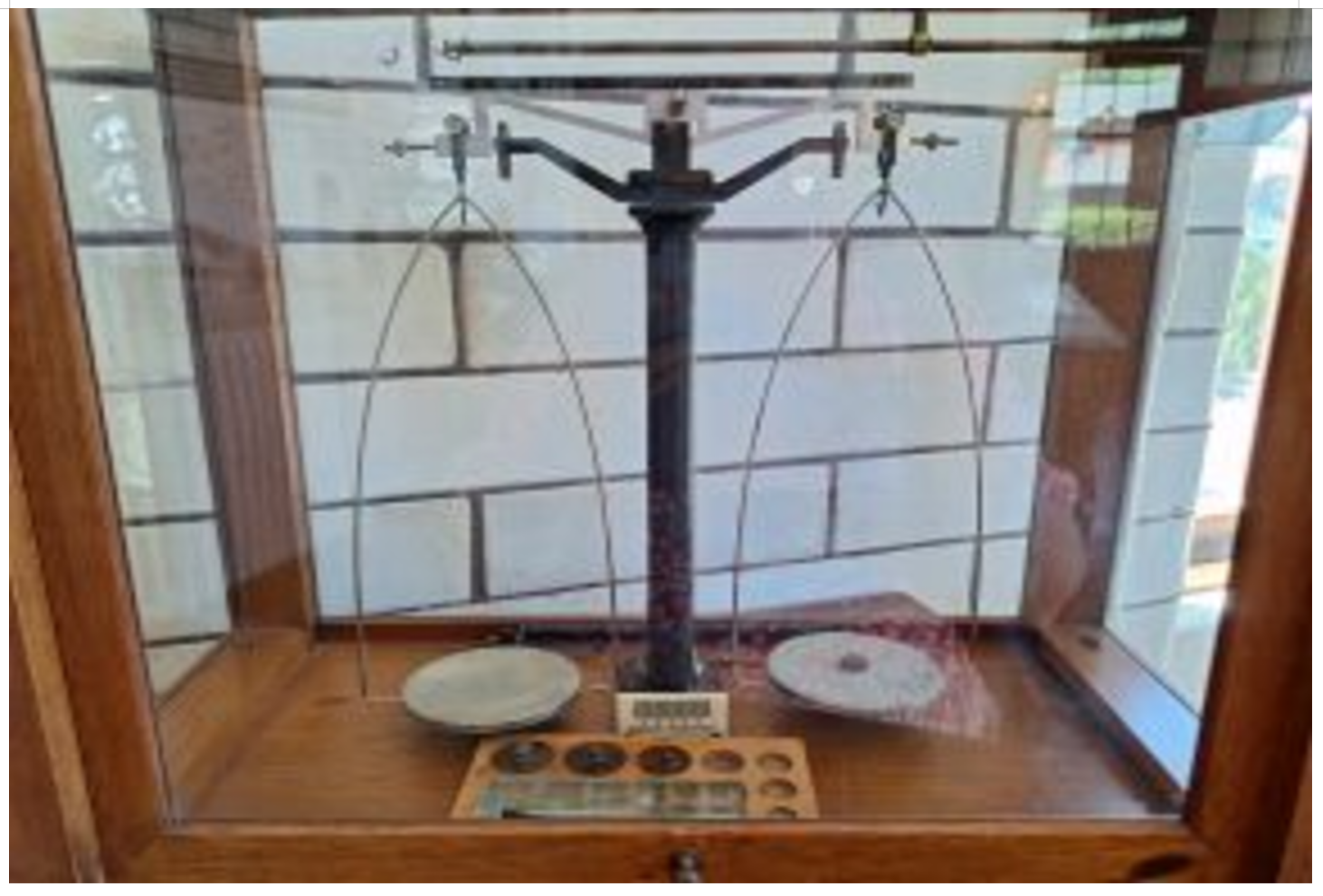
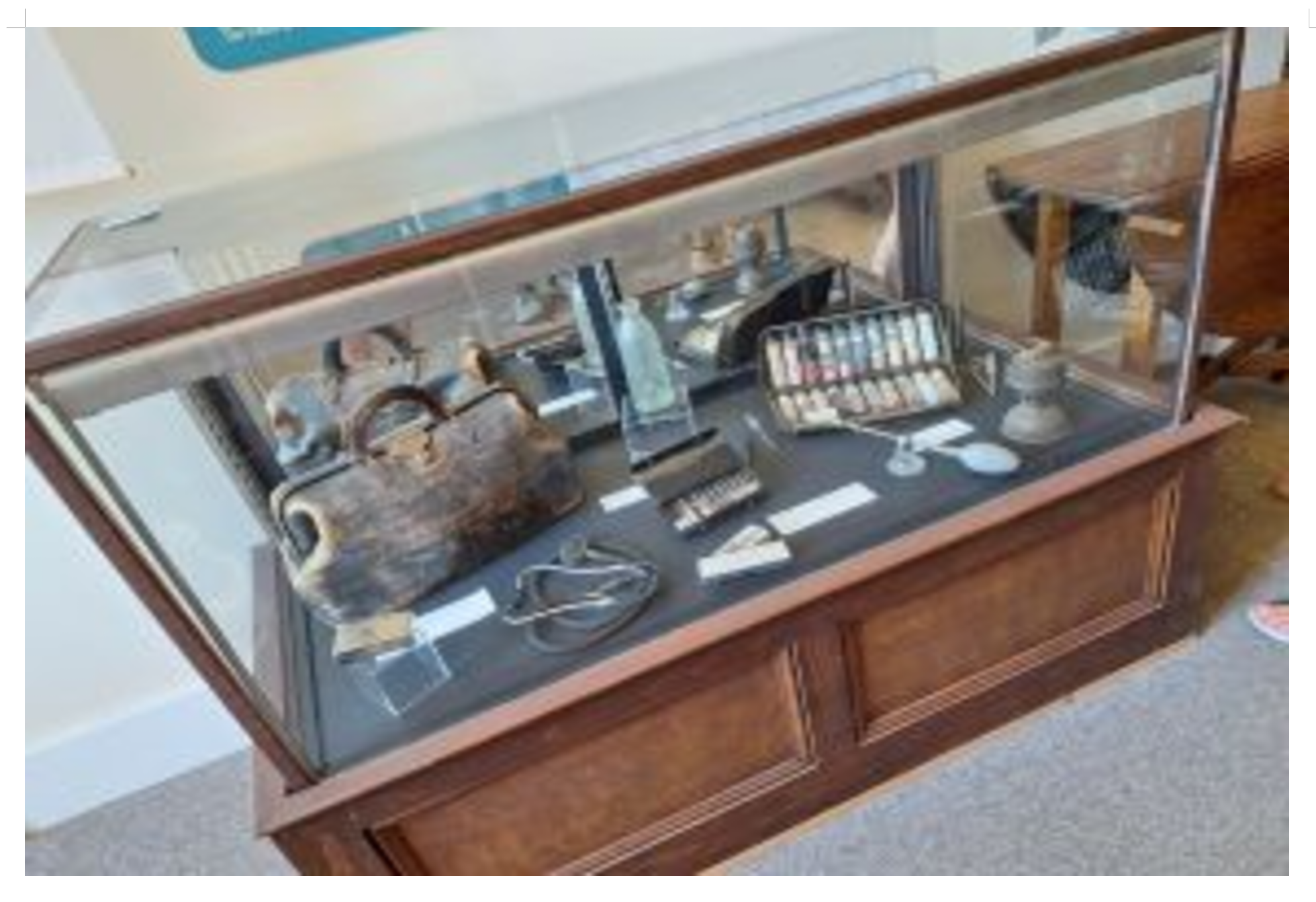
At regular intervals, chest x-rays were taken, pneumothoracies produced by tubercular erosions needed treatment by the insertion of chest tubes and water seal drainage, and proper amounts of medications prepared.These photos (Figures 4-7) show the equipment used to facilitate asssessment of progress and outcomes. (The discoloration of the chest x-ray occurred as a result of chemical denaturing).
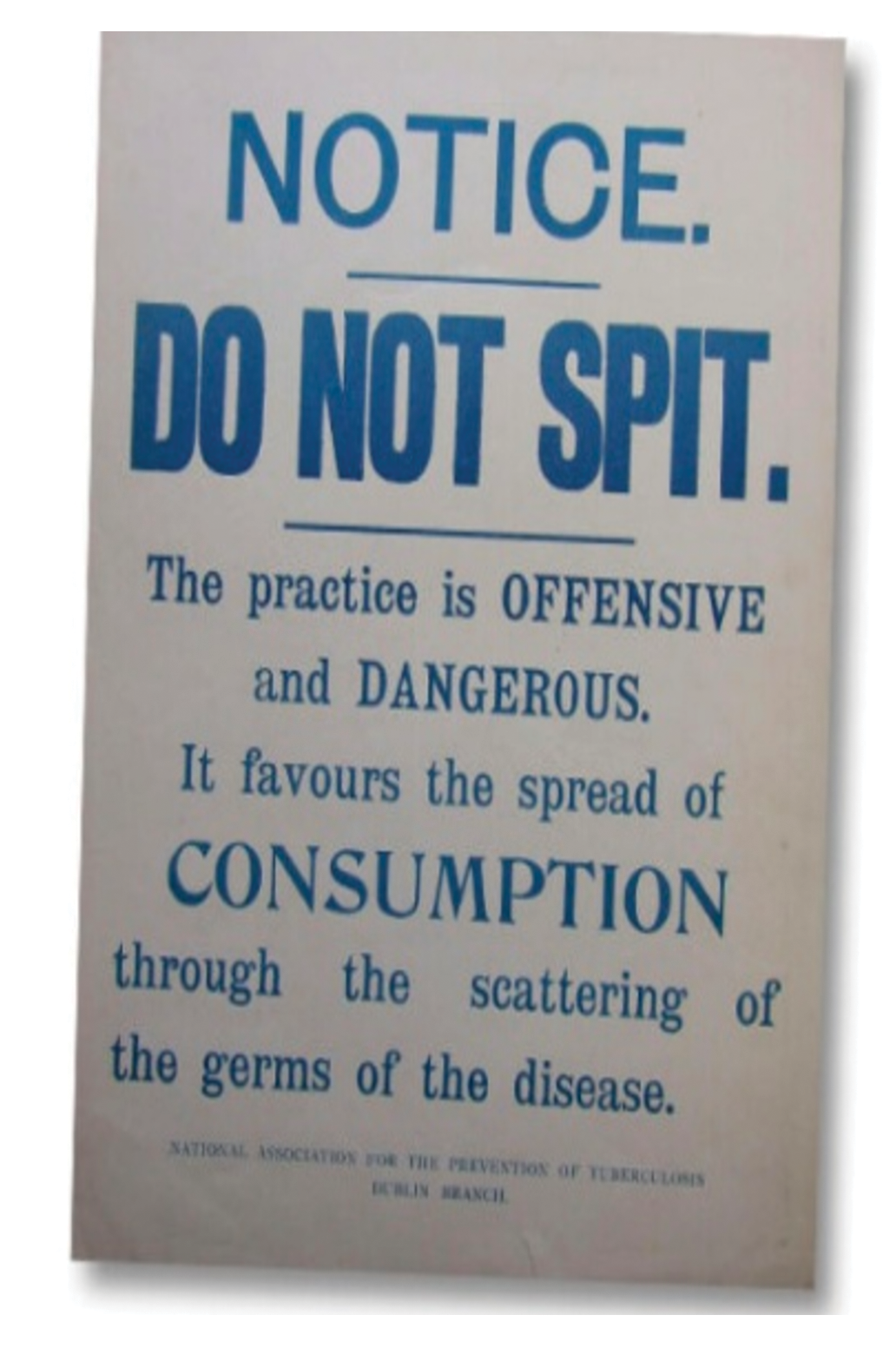
Dr. Trudeau and the members of his health care team – the nurses, aides, orderlies, laundry and nutrition personnel all knew the importance of prevention to curtail the spread of TB. Getting the word out came through newsreels, broadcasts, and public service announcements in the form of posters such as this one:
As I bring this column to a close, I hope that this glimpse into what used to be “state of the art” and the standard of care regarding the role of public health nurses and physicians and seeing the equipment used will foster a new appreciation for what drives our communicable disease and infection control practices today.
Until the next issue,
Trudy
P.S.: If you want to read a good novel about the Adirondacks and the tuberculosis sanatoriums in Saranac Lake, look into The Air We Breathe (2008) by Andrea Barrett.