

Because of the nature of healthcare work, history for thousands of years, starting with the Hippocratic oath, includes the search for an ethical code above societal influences and trends to guide us in difficult situations. It is common today for nurses and other health care team members to face threats to our personal values or to our ability to provide the care that we believe is a patient’s right. Threats may include pressure to work longer hours than we know are safe, to accept staffing that we know will not allow us to provide adequate care, to ignore inappropriate behavior by colleagues, or to deceive or withhold information from patients or even from upcoming Joint Commission visitors instead of reporting concerns.
A situation with an unresolved conflict of values (especially if with an employer) often involves high stress and personal risk. When a nurse’s moral belief is based on an established religious conviction, Federal laws, including Title VII of the Civil Rights Act and the First Amendment to the United States Constitution, protect the free exercise of religion and apply to health care providers.
What protection do nurses have in a situation that involves a conflict of personal and professional values that, while distinguishable from opinion or arbitrary decisions, are based in ethics, and cannot be documented by the tenets of the nurse’s established religion?
It may come as a surprise to some Maryland nurses that the major sources are the Maryland Board of Nursing (the Nurse Practice Act-NPA) and the Maryland Nurses Association (the 2025 ANA Code of Ethics with Interpretive Statements). Both help to define and to protect the rights and responsibilities of nurses. Sharing these is a key step toward effective advocacy for nurses.
Maryland law requires us to act ethically. COMAR 10.17.19(5) states that the nurse must “Assume responsibility and accountability for individual nursing judgments and actions” (NPA). Provision 5.3 of the 2025 ANA Code of Ethics with Interpretive Statements identifies the duty of nurses when there is a conflict of values “to act according to their personal and professional values and to accept compromise only if reaching a compromise preserves the nurse’s moral integrity and does not jeopardize the dignity or well-being of the nurse or others”. Each Maryland nurse can find basic guidance in times of professional distress in our Code of Ethics and the NPA.
The life and work of a nurse is different from that of any other profession. The most valuable resource in times of professional trouble or triumph is our networks. Nursing is uniquely valuable work, but it was never easy. Every nurse should belong to a professional organization of peers who likely share or have shared similar experiences. How were conflicts resolved? Do we need to change the laws that impact our practice? The MNA Center for Ethics and Human Rights has provided guidance for individual members facing ethical conflicts in nursing. On a broader scale, the MNA Legislative Committee has worked to make the voice of nurses heard on ethical issues impacting our practice in state law, from requiring safer working conditions to removing barriers to nursing care for vulnerable patients. Contact MNA, join us, and be a greater part of the power of nurses.
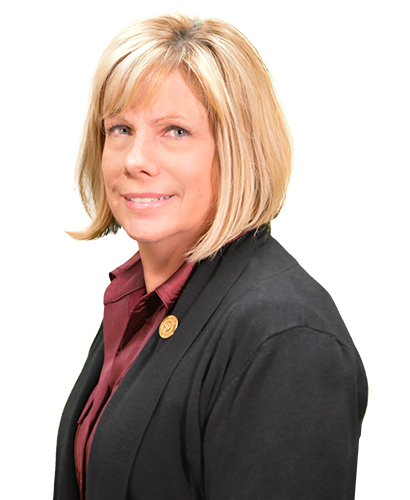
Nayna C. Philipsen, BSN, MSN, JD, PhD, RN, FACCE
President MNA