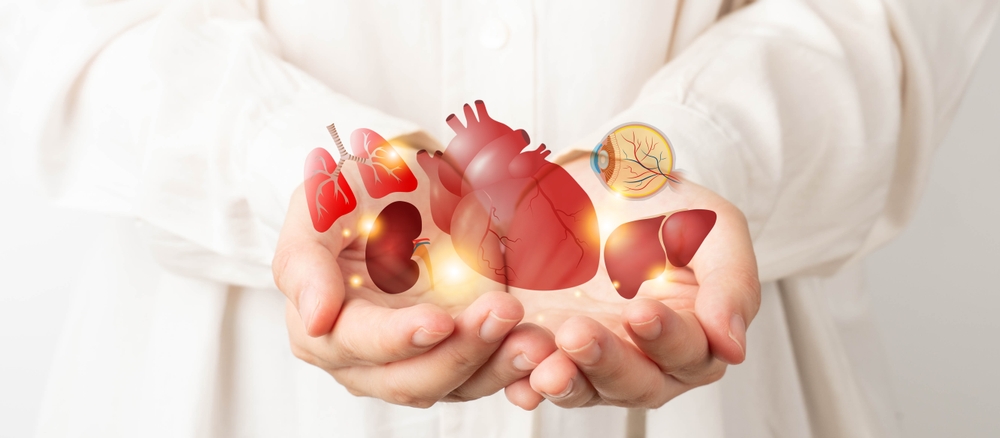
Living in the United States has offered most citizens knowledge about organ transplantation. After all, when we obtain a driver’s license, states currently ask whether we’d like to be listed as an organ donor. In addition, there is growing knowledge both confirmed and unconfirmed about organ transportation. The future of organ transplantation may look different from what it is today. For example, Li and colleagues point to a shift from transplantation to regeneration, immune suppression to re-education of immunity, and from a state of scarcity to scalability. In other words, better ways to use and preserve transplanted organs.
Current challenges, as noted by Li and colleagues, include organ scarcity, long-term chronic graft alteration, immunosuppressive complications, and cancer persist. Despite these challenges, organ transplantation has increased. According to Li and colleagues, the United States and China have the largest growth of organ transplantation.
Unfortunately, middle income countries haven’t increased their rates; transplantation remains low in these nations and can be viewed as a factor in the social injustice that exists around organ transplantation today. Li and colleagues note screening out organ recipient candidates because of their socio-economic status or racial background
How have the United States and China achieved this level of success? Their progress reflects emerging advances in transplant recipient care led by scientific research, including metabolic organ regeneration, organ repair through bioengineering, and immune re-education that helps the recipient’s immune system recognize signals that can lead to rejection.
Research in animal xenografting also continues to advance. Two research area have yielded tremendous success: re-educating immunity through genetic engineering of immune cells and regeneration of organ cells and the use of ex vivo machine perfusion (EVMP).
EVMP has been shown capable of temporarily performing the metabolic functions of the transplant organ during at critical times, helping to ensure organ viability. The data collected through artificial intelligence with EVMP could lead to valuable information that advances animal grafting and the development of artificial organ use for humans.
This new frontier for organ transplantation may require new social ethics guidelines that consider raising animals for organ harvesting and how candidates for transplantation are chosen without bias due to age, economic-social status, or race.
Prior to his retirement Sharan Garry, MSN, RN was an acute care bedside nurse IMUC/medical/surgical unit at Memorial Herman Southeast Hospital (2004-2009) and Methodist Hospital in Houston, Texas,(1999-2005).
Reference
Li X, Din R, Cai J. Organ transplantation: Current status, challenges, and future prospects. MedComm.2026;7(1):e70567. doi:10.1002/mco2.70567