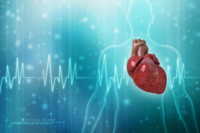
Heart failure (HF) can cause a gradual decline in heart function and worsening of symptoms. About 5 million Americans have it, and despite treatment advances, the death toll is increasing.The American College of Cardiology and American Heart Association classify HF in four stages—A through D. Patients with Stage D have chronic refractory HF; even with therapy, their systolic or diastolic dysfunction may continue to deteriorate. Some await heart transplants—but too few donor hearts are available. In 2006, the United Network for Organ Sharing had 3,000 patients on its waiting list for the 2,000 donor hearts available.
For some patients, though, mechanical circulatory support devices (MCSDs) are a life-sustaining option for either temporary or long-term support. Types of MCSDs include ventricular assist devices (VADs) and artificial hearts. These devices can give new life to patients who have debilitating HF or whose hearts no longer function. Most patients referred for them have persistent symptoms despite maximal drug therapy. VADs operate either by pulsatile or nonpulsatile continuous flow.
General purposes of VADs
VADs are used in three ways:
• to sustain a patient until a donor heart becomes available, called bridge-to-transplant (BTT) therapy
• as a permanent implant and alternative to heart transplantation, known as destination therapy
• to sustain a patient with acute HF from a reversible cause (such as acute myocarditis or low-output syndrome due to myocardial stunning after infarction)—called bridge-to-recovery (BTR) therapy. In this case, using a VAD in combination with drug therapy can maximize native heart function, giving the heart a chance to recover without the need for a transplant.In 1984, the first implantable, long-term, left VAD (LVAD) was used as BTT therapy. By 1991, LVAD patients were being monitored as outpatients. During the early 1990s, the Food and Drug Administration (FDA) sponsored several multicenter VAD trials; in 1994, it approved the first implantable VAD for BTT therapy. Marketed as the HeartMate®, its success in BTT therapy led to investigation of other
uses for these devices, including destination therapy.
VADs are used in three ways:
• to sustain a patient until a donor heart becomes available, called bridge-to-transplant (BTT) therapy
• as a permanent implant and alternative to heart transplantation, known as destination therapy
• to sustain a patient with acute HF from a reversible cause (such as acute myocarditis or low-output syndrome due to myocardial stunning after infarction)—called bridge-to-recovery (BTR) therapy. In this case, using a VAD in combination with drug therapy can maximize native heart function, giving the heart a chance to recover without the need for a transplant.In 1984, the first implantable, long-term, left VAD (LVAD) was used as BTT therapy. By 1991, LVAD patients were being monitored as outpatients. During the early 1990s, the Food and Drug Administration (FDA) sponsored several multicenter VAD trials; in 1994, it approved the first implantable VAD for BTT therapy. Marketed as the HeartMate®, its success in BTT therapy led to investigation of other
uses for these devices, including destination therapy.
In 2002, the FDA approved destination therapy as a long-term option for patients with end-stage heart disease who were ineligible for transplants, based on studies showing that patients with LVADs had better survival rates and quality of life than those given only optimal medical management. (See REMATCH: A landmark study of heart failure therapy.) Currently, the BTT population is the largest group using LVADs.
One hospital’s MCSD program
At New York-Presbyterian Hospital (NYPH)/Columbia University Medical Center, most HF patients referred for evaluation for MCSDs are in Stage D. The center uses FDA-approved devices and clinical-study devices for both short-term and long-term purposes. Clinical studies provide the evidence base we rely on to slow and halt symptomatic HF with respite mechanical support. Since the program began in 1990, we’ve implanted more than 500 MCSDs.Within the hospital, the Center for Advanced Cardiac Care employs specialized HF and transplant cardiologists, complemented by experienced cardiac surgeons, psychiatrists, VAD and transplant nurse practitioners (NPs), registered nurses (RNs), social workers, and other dedicated professionals with expertise in managing complex HF patients. The Center has implanted both short-term and long-term MCSDs.
At New York-Presbyterian Hospital (NYPH)/Columbia University Medical Center, most HF patients referred for evaluation for MCSDs are in Stage D. The center uses FDA-approved devices and clinical-study devices for both short-term and long-term purposes. Clinical studies provide the evidence base we rely on to slow and halt symptomatic HF with respite mechanical support. Since the program began in 1990, we’ve implanted more than 500 MCSDs.Within the hospital, the Center for Advanced Cardiac Care employs specialized HF and transplant cardiologists, complemented by experienced cardiac surgeons, psychiatrists, VAD and transplant nurse practitioners (NPs), registered nurses (RNs), social workers, and other dedicated professionals with expertise in managing complex HF patients. The Center has implanted both short-term and long-term MCSDs.
Preoperative preparation
Before VAD implantation surgery, the team discusses with the patient the types of devices available and the risks and benefits of each. If the device is part of a study, the patient must meet study inclusion criteria. Achieving a “best fit” is crucial, as the patient may be discharged home with the device as BTT, BTR, or destination therapy.Optimizing the patient’s condition before surgery may require use of an intra-aortic balloon pump (IABP) to improve heart function. An IABP decreases myocardial oxygen demand and boosts cardiac output, improving blood flow. Aggressive fluid management may call for continuous venous-venous hemofiltration (CVVH) or aquapheresis; both methods filter blood while maintaining hemodynamic stability. An alternative type of hemodialysis, CVVH provides continuous fluid removal in the intensive care unit. Aquapheresis, a newer therapy, is simpler and more convenient.
Before VAD implantation surgery, the team discusses with the patient the types of devices available and the risks and benefits of each. If the device is part of a study, the patient must meet study inclusion criteria. Achieving a “best fit” is crucial, as the patient may be discharged home with the device as BTT, BTR, or destination therapy.Optimizing the patient’s condition before surgery may require use of an intra-aortic balloon pump (IABP) to improve heart function. An IABP decreases myocardial oxygen demand and boosts cardiac output, improving blood flow. Aggressive fluid management may call for continuous venous-venous hemofiltration (CVVH) or aquapheresis; both methods filter blood while maintaining hemodynamic stability. An alternative type of hemodialysis, CVVH provides continuous fluid removal in the intensive care unit. Aquapheresis, a newer therapy, is simpler and more convenient.
Postoperative care
During the immediate postoperative period, the patient is managed by a multidisciplinary team that includes critical care intensivists, critical care nurses, cardiologists, the VAD team, and other specialists as needed. Common postoperative problems include bleeding, reversible kidney and liver failure, and arrhythmias—all of which require astute nursing care. Nurses are the first line of support, providing quality-of-life interventions during the patient’s entire hospital stay—including ensuring hemodynamic stability by monitoring VAD flows, pump function, and alarm settings.Once hemodynamically stable, the patient is transferred to a stepdown unit that specializes in managing patients with VADs. There, the VAD team includes NPs specializing in VADs, heart transplant/HF cardiologists, physical therapists, social workers, and RNs. The nurses are skilled in managing the patient and device simultaneously.
During the immediate postoperative period, the patient is managed by a multidisciplinary team that includes critical care intensivists, critical care nurses, cardiologists, the VAD team, and other specialists as needed. Common postoperative problems include bleeding, reversible kidney and liver failure, and arrhythmias—all of which require astute nursing care. Nurses are the first line of support, providing quality-of-life interventions during the patient’s entire hospital stay—including ensuring hemodynamic stability by monitoring VAD flows, pump function, and alarm settings.Once hemodynamically stable, the patient is transferred to a stepdown unit that specializes in managing patients with VADs. There, the VAD team includes NPs specializing in VADs, heart transplant/HF cardiologists, physical therapists, social workers, and RNs. The nurses are skilled in managing the patient and device simultaneously.
As part of multidisciplinary management, RNs and NPs teach the patient and family about prescribed medication, how to manage the VAD, and sterile dressing technique. They also provide emotional support and promote healthy habits. The NPs are responsible for teaching overall VAD management. Physical and occupational therapists help improve the patient’s physical and functional capacity.
Discharge preparation
Once patients are medically stable and able to manage self-care and the VAD, the staff prepares them for home discharge (unless a heart transplant occurs). Before discharge, patients must be able to demonstrate an understanding of their device and its management and must know how to respond to alarms and emergency conditions.NPs on the LVAD service provide information on the patient’s device to the local emergency department and emergency medical service, and inform the utility company that the patient is on life-saving equipment. They also give the patient and family 24-hour contact telephone numbers and arrange for follow-up medical appointments.
Once patients are medically stable and able to manage self-care and the VAD, the staff prepares them for home discharge (unless a heart transplant occurs). Before discharge, patients must be able to demonstrate an understanding of their device and its management and must know how to respond to alarms and emergency conditions.NPs on the LVAD service provide information on the patient’s device to the local emergency department and emergency medical service, and inform the utility company that the patient is on life-saving equipment. They also give the patient and family 24-hour contact telephone numbers and arrange for follow-up medical appointments.
Psychological evaluation
Understanding the psychological perspective of a VAD patient enables the nursing team to develop an individualized plan of care that promotes patient self-care and caregiver participation. Thorough evaluation and ongoing counseling are crucial in detecting psychological stressors. Common stressors for these patients include social isolation, feelings of loss of control, the need for caregiver support, and concerns about quality of life.Psychiatric intervention, when needed, is tailored to each patient’s needs, based on medical history and post-VAD coping mechanisms. As the patient improves physically, a psychological transformation commonly takes place, with intensive education making the patient feel better prepared to manage the VAD and self-care. Evidence shows that enhanced self-management skills taught by nurses improve patients’ discharge readiness.
Understanding the psychological perspective of a VAD patient enables the nursing team to develop an individualized plan of care that promotes patient self-care and caregiver participation. Thorough evaluation and ongoing counseling are crucial in detecting psychological stressors. Common stressors for these patients include social isolation, feelings of loss of control, the need for caregiver support, and concerns about quality of life.Psychiatric intervention, when needed, is tailored to each patient’s needs, based on medical history and post-VAD coping mechanisms. As the patient improves physically, a psychological transformation commonly takes place, with intensive education making the patient feel better prepared to manage the VAD and self-care. Evidence shows that enhanced self-management skills taught by nurses improve patients’ discharge readiness.
The coping skills and needs of family members and other home caregivers must be assessed, too. One study found that many caregivers experience emotional distress, which nurses can help reduce through appropriate interventions.
Life after discharge
After discharge, patients are followed by the VAD team and HF cardiologist collaboratively. Usually, they return to the clinic within 1 week after discharge. Stable outpatients are followed monthly. Patients participating in clinical trials may have additional follow-up requirements. Functional status permitting, patients may choose to return to work or resume recreational and social activities.For any patient with a VAD, achieving the goal of optimal functioning hinges on being able to maintain a positive mood and make needed lifestyle adjustments. To enhance a stable transition, patients need consistent psychosocial support from both home caregivers and the VAD coordinator.
After discharge, patients are followed by the VAD team and HF cardiologist collaboratively. Usually, they return to the clinic within 1 week after discharge. Stable outpatients are followed monthly. Patients participating in clinical trials may have additional follow-up requirements. Functional status permitting, patients may choose to return to work or resume recreational and social activities.For any patient with a VAD, achieving the goal of optimal functioning hinges on being able to maintain a positive mood and make needed lifestyle adjustments. To enhance a stable transition, patients need consistent psychosocial support from both home caregivers and the VAD coordinator.
VAD success stories
Since the 1988 REMATCH trial that showed VADs’ benefits, subsequent studies have found that VADs improve clinical outcomes. In just over 40 years of innovation since the first successful use and implantation of an LVAD, incremental successes in device development have taken place. With early devices, patients had to remain hospitalized while awaiting heart transplantation; newer-generation VADs provide augmented heart function with the potential for longer life expectancy in patients discharged to outpatient care.Nurses have a unique opportunity to participate in the future of VADs and the positive outcomes they can produce. O
Since the 1988 REMATCH trial that showed VADs’ benefits, subsequent studies have found that VADs improve clinical outcomes. In just over 40 years of innovation since the first successful use and implantation of an LVAD, incremental successes in device development have taken place. With early devices, patients had to remain hospitalized while awaiting heart transplantation; newer-generation VADs provide augmented heart function with the potential for longer life expectancy in patients discharged to outpatient care.Nurses have a unique opportunity to participate in the future of VADs and the positive outcomes they can produce. O
Selected references
Deng M, Naka Y. Mechanical Circulatory Support Therapy in Advanced Heart Failure. London: Imperial College Press; 2007.Grady K, Meyer P, Mattea A, et al. Change in quality of life from before to after discharge following left ventricular assist devices implantation. J Heart Lung Transplant. 2003;
22(3):322-333.
Deng M, Naka Y. Mechanical Circulatory Support Therapy in Advanced Heart Failure. London: Imperial College Press; 2007.Grady K, Meyer P, Mattea A, et al. Change in quality of life from before to after discharge following left ventricular assist devices implantation. J Heart Lung Transplant. 2003;
22(3):322-333.
Hunt S, Abraham W, Chin M, et al. ACC/AHA 2005 guideline update for the diagnosis and management of chronic heart failure in the adult—summary article. Circulation. 2005;112:
1-82. http://circ.ahajournals.org/cgi/reprint/
112/12/e154. Accessed January 3, 2008.
1-82. http://circ.ahajournals.org/cgi/reprint/
112/12/e154. Accessed January 3, 2008.
Hunt S, Baker D, Chin, M, et al. ACC/AHA guidelines for the evaluation and management of chronic heart failure in the adult: executive summary. A report of the American College of Cardiology/American Heart Association Task Force on Practice Guidelines. J Am Coll Cardiol. 2001;38:2101-2113.
International Society for Heart and Lung Transplantation. ISHLT Monograph Series. Mechanical Circulatory Support. New York, NY: Elsevier; 2006.
2006 Organ Procurement and Transplantation Network/Scientific Registry of Transplant Recipients—Annual Report. Transplants by organ and donor type, 1996 to 2005. www.ustransplant.org/csr/current/FastFacts/datatour.aspx?s=1. Accessed January 3, 2008.
The data and analyses reported in the 2006 Annual Report of the U.S. Organ Procurement and Transplantation Network and the Scientific Registry of Transplant Recipients have been supplied by the United Network for Organ Sharing and Arbor Research under contract with the U.S. Department of Health and Human Services. The authors alone are responsible for reporting and interpreting these data.
Margaret Flannery is a Family Nurse Practitioner and Assistant Clinical Professor at Columbia University School of Nursing in New York, N.Y. Abigail Flanagan is a Nurse Practitioner and a Quality Management Consultant at New York-Presbyterian Hospital in New York, N.Y.