These essential professional skills benefit nurses and patients.

THINK ABOUT the last difficult interaction you had at work. Perhaps a frightened patient became angry. A family member questioned the care being provided. A colleague responded defensively when you raised a concern. Or perhaps you knew you needed to speak up about a potential safety issue but wondered how your words would be perceived.
What helped you navigate that moment? Clinical knowledge was important, but chances are another skill was equally important: emotional intelligence (EI).
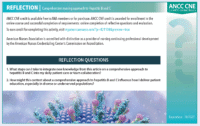
This is such an important topic that we’re featuring it as our continuing education focus this month, and I want to add my thoughts to the key points made by the authors. (Read the full article.)
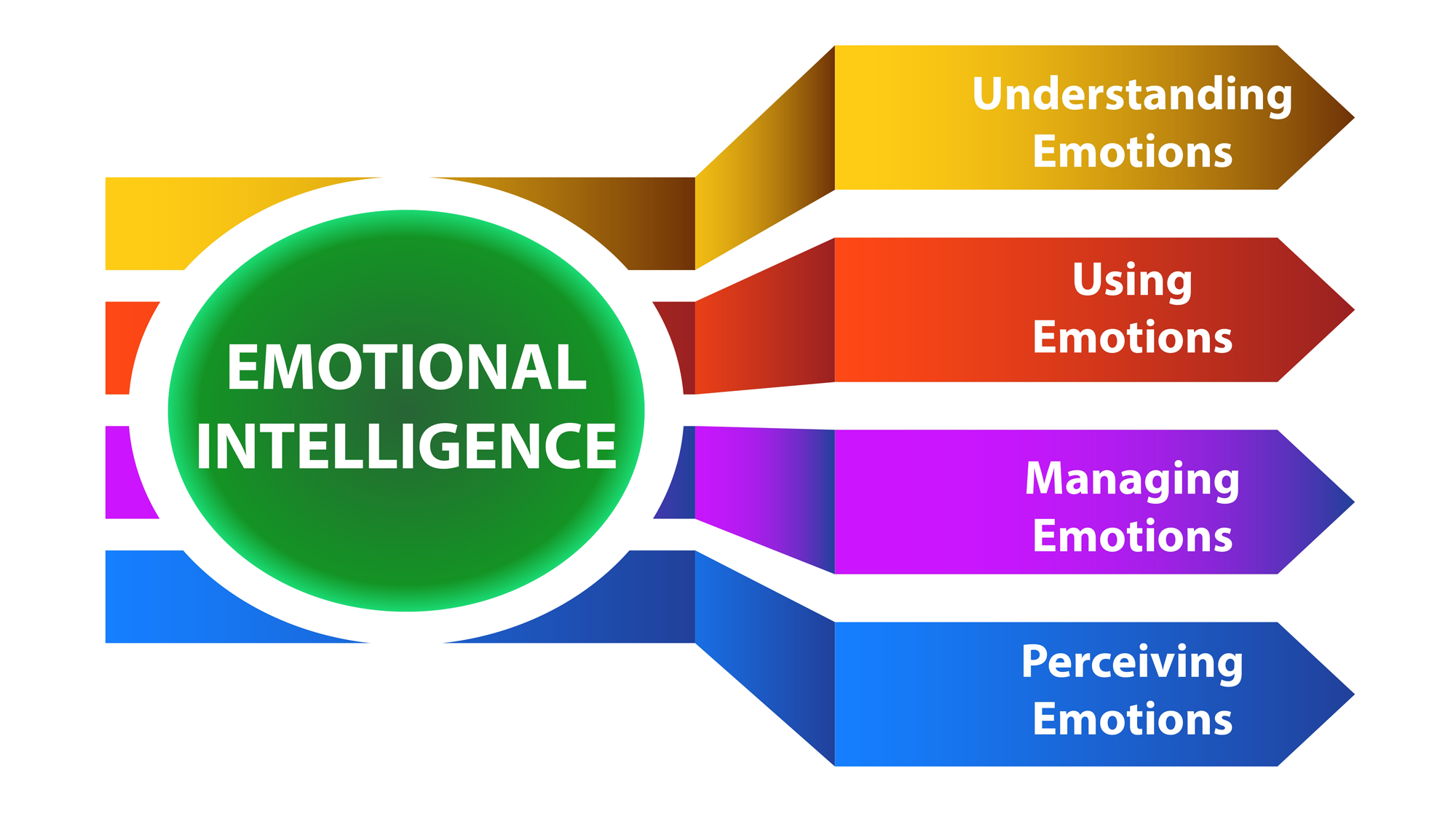
EI is our ability to recognize and understand our own emotions, manage our responses, recognize others’ experience, and use that awareness to build effective relationships. In other words, self-awareness, self-management, social awareness, and relationship management. These aren’t simply soft skills. They’re nursing skills and patient safety skills.
Consider the environment in which nurses practice today. Increasing patient complexity, workforce shortages, fatigue, workplace violence, rapidly evolving technology, and competing demands test our ability to communicate, collaborate, and remain focused. Fear, pain, uncertainty, and loss can influence how patients and families communicate. At the same time, nurses bring their own emotions, experiences, and stressors into every interaction.
Self-awareness allows us to recognize when frustration, fatigue, or assumptions may influence our response. Self-management helps us pause before reacting. Social awareness encourages us to consider what might be behind another person’s words or behavior. Relationship management helps us communicate effectively, resolve conflict, and work collaboratively.
EI also contributes to patient safety. Safe care depends on communication, teamwork, situational awareness, and speaking up when something doesn’t seem right. Nurses who can communicate concerns respectfully and confidently help create psychologically safe environments where questions are encouraged, concerns are heard, and mistakes and near misses become opportunities for learning.
For nurse leaders, EI is equally essential. Leadership isn’t simply about directing others. It requires listening, building trust, managing conflict, recognizing the emotional climate of a team, and balancing empathy with accountability.
EI can be learned. Reflection, feedback, coaching, simulation, and deliberate practice can strengthen these abilities throughout our careers.
As AI and other technologies influence healthcare, perhaps we should pay greater attention to EI. Technology can analyze data, recognize patterns, and support clinical decisions. But the human connection remains at the heart of nursing—listening, empathizing, advocating, reassuring, and being fully present.
So, here’s my challenge: During your next shift or meeting, pause before you respond to a difficult interaction. Ask yourself three questions: What am I feeling? What might this person be experiencing? What response will move us toward a better outcome? Three questions. One pause. Less than a minute.
Try it once. Then try it again.
Strengthening EI doesn’t begin in a classroom or leadership program. It begins in the next conversation we have—with a patient, a colleague, or each other.

Lillee Gelinas, DNP, RN, CPPS, FAAN
Editor-in-Chief
American Nurse Journal. 2026; 21(11). Doi: 10.51256/ANJ112604