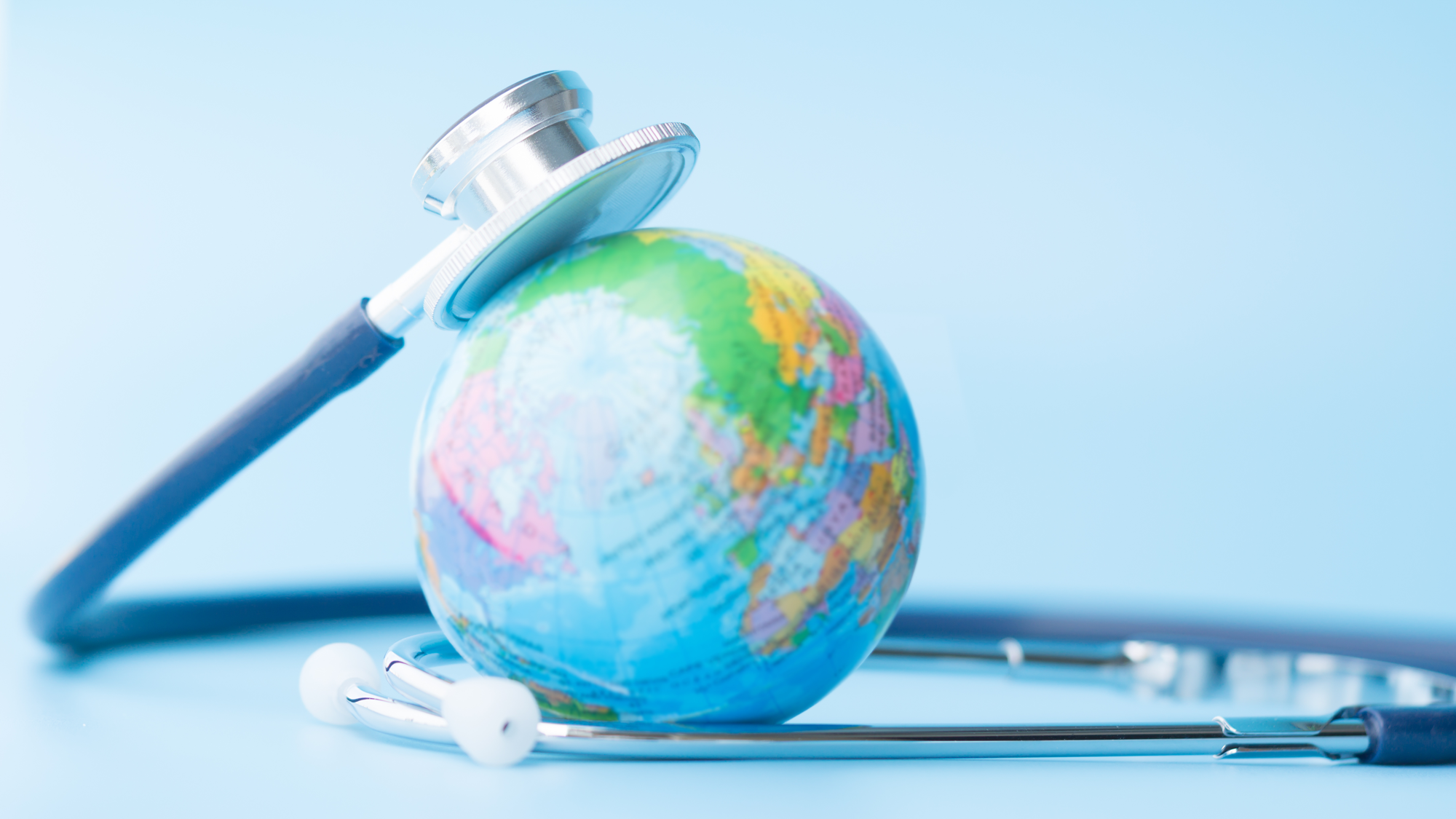

Q It seems like the revised Code of Ethics for Nurses, with the addition of Provision 10, is taking us beyond the bedside and our healthcare facilities and into the wider world. Why do we need an additional provision to the Code?
A Provision 10 of the Code calls nurses, through associations and organizations, to participate in the global nursing and health community to promote human and environmental health, well-being, and flourishing. Although this provision is new, its concepts and values encompassing global human and environmental health have been 150 years in the making and a constant presence in nursing (codeofethics.ana.org). From the inception of modern nursing in the 1860s to the growth of environmental studies and engagement and our current era of global health concerns, the values of Provision 10 have always been with us.
Early nursing leaders understood the necessity of political action at the national level to create legal structures for nursing’s foundation. Even then, their concern extended to the international community of nurses. That concern gave birth to the International Council of Nurses (ICN) in 1902, with ICN congresses held biennially since then in different countries. Nursing journals included articles encouraging nurses to travel and experience nursing and healthcare in other nations. ICN also held well-attended worldwide meetings to promote cooperation and collaboration among nurses to advance nursing education and clinical practice as key to the health of both individuals and populations. ICN, a federation of more than 140 national nurses associations, remains an active global organization for nursing and international collaboration 123 years later. The American Nurses Association serves as the U.S. voting member at ICN’s Council of National Nursing Association Representatives (www.icn.ch/news).
Florence Nightingale and others expressed early concern for the environment in relation to health and patient care—from opening windows on wards to creating plans for public sewage systems. By the 1960s, public awareness of environmental threats to our health had energized an environmental movement. Nurses also became more aware of the negative effects of environmental factors on the health of communities and individuals. Since then, our concern for the health of our environment, and its effects on the health of humanity, has only grown.
We’ve moved from circumscribed discussions of nuclear energy, fertilizers, pesticides, decreases in biodiversity, and air and water pollution to vital actions that address profound global climate change. And our patients may have needed care because of natural disasters or other environmental causes or environmental injustices.
As our world and society change, so does our role as nurses. These changes require that we apply the Code to a changed context. Our global stance, abilities, and status have changed. Communications, including misinformation and disinformation, have become instantaneous, and global travel is now pervasive. Recently, we’ve seen how contagions, famine, and natural disasters can spread rapidly across borders and time zones. Our own health and the health of our patients, communities, and nation are intertwined with global health.
The deep connections between global health and environmental health affect every level of nursing and health practice, education, and research—from our patients to the planet.
—Response by Marsha D. Fowler, PhD, MDiv, MS, RN, FAAN, FRSA, Code scholar and co-chair, and Martha Turner, PhD, MA, MS, RN, FAAN, Colonel (Ret.), USAF, co-chair, 2025 Code of Ethics Revision Panel.
Do you have a question for the Ethics Inbox? Submit at ethics@ana.org.
American Nurse Journal. 2025; 20(12). Doi: 10.51256/ANJ122541
 American Nurse is the official journal of the American Nurses Association and is a member benefit. Learn more about the association and the many benefits of joining.