
Collaboration and partnership play a key role.
- Transformational leadership and shared decision-making can help create a culture of excellence.
- Innovative opportunities offered by this organization increased engagement and empowerment among all nurses.
- The organization sustains this culture of excellence by continuously sharing best practices.
Enhancing the nursing work environment requires collaboration and a commitment to excellence among all levels of the profession. This professional partnership creates a forum for learning about and sharing best practices throughout a healthcare organization and promotes a culture of excellence when seeking and sustaining American Nurses Credentialing Center (ANCC) Magnet® and Pathway to Excellence® designations.
Using the Magnet Model as a road map and aligning it with an organization’s strategic initiatives helps to create a culture of excellence. This work also generates opportunities to break down silos and build relationships to ensure all patients receive the same excellent care no matter in which facility of an organization they receive treatment.
Our hospital system, in which two facilities received Magnet Recognition® and one Pathway to Excellence designation in 2023, implemented a series of initiatives to create and sustain a culture of excellence across the organization. The Nurse Excellence department includes three campus-based Nurse Excellence Coordinators (NECs) and a system-wide Nurse Excellence Director. This team’s multifaceted approach enhances the nursing work environment, instills collaboration among all levels of nursing, and engages commitment to excellence.
What the designations signify
Magnet and Pathway to Excellence recognitions serve as exceptional nursing achievements. As described by Graebe and Cosme, initial recognition demonstrates an organization’s commitment to quality assurance and improvement. Consistent re-designation requires a strong structural framework and the establishment of processes for sustainment. Nursing excellence, strategic planning, transformational leadership, and change management act as vital components to attaining and sustaining these recognitions.
Many organizations find the extended period of preparation required to align with the Magnet Model challenging. However, this work fosters a creative and innovative environment where frontline nurses feel empowered to share stories that highlight their achievements and contributions. Three themes influence the achievement of Magnet and Pathway to Excellence recognition: creating a culture of excellence, overcoming barriers on the way to designation, and sustaining a culture of excellence.
Creating a culture of excellence
Creating a culture of excellence takes time and dedication to align a healthcare organization with the defining standards for high-performing nursing environments. A qualitative analysis by Svensson and colleagues argues that, from the beginning of the Magnet journey, organizations must effectively promote the Magnet and Pathway to Excellence models and make connections to their unique needs. They also must actively interpret the meaning of Magnet and Pathway to Excellence along with their components and principles. (See Culture creation.)
Culture creation
Svensson and colleagues describe the American Nurses Credentialing Center (ANCC) Magnet® Model as a blueprint for maintaining an excellence culture. Likewise, Melnyk and colleagues note a significant correlation between working environment and patient outcome improvements with the Magnet Model. The model’s components, according to Valle and colleagues, aid in creating and sustaining a culture that positively impacts outcomes such as retention rates, patient experience, quality and safety, and RN satisfaction.
The Magnet Model contains five essential components, each of which targets a specific topic and collectively creates a supportive environment attracting and retaining nurses and ultimately leading to improved patient care.
- Transformational Leadership involves creating a vision for the future, adapting to changes in healthcare, and establishing an environment that fosters staff input and engagement.
- Structural Empowerment focuses on structures and processes that allow nurses to contribute to decision-making, professional development, and collaborative relationships.
- Exemplary Professional Practice highlights high-quality patient care and nursing practices that demonstrate respect for the profession and empathy for patients.
- New Knowledge, Innovations, and Improvements emphasize the use of evidence-based practices, research, and innovation to enhance clinical and operational processes.
- Empirical Outcomes focus on demonstrating the positive impact of strong structures and processes on nursing staff, the organization, and patient care through measurable data.
The ANCC Pathway to Excellence® program offers a framework for providing high-quality patient care, which requires work conditions that foster a culture of nursing excellence. This framework consists of six components that impact a positive practice environment:
- Professional development
- Shared decision-making
- Leadership
- Well-being
- Quality
- Safety
In addition to promoting awareness, staff engagement plays a role in the success of each stage of the Magnet and Pathway to Excellence journey. According to Cronshaw and colleagues, raising awareness while encouraging engagement supports nurses in taking ownership of their organization’s work. Effective engagement requires nursing leadership participation. According to Valle and colleagues, positive and influential leadership remain essential when developing and sustaining a healthy work environment to support Magnet and Pathway to Excellence cultures. Svensson and colleagues noted the unique role chief nursing officers (CNOs) can play in modeling and communicating their vision to engage and empower nurses during the process.
Professional nursing governance structures also serve as cornerstones of nursing excellence. Valle and colleagues state that the adoption of a professional governance structure offers a meaningful strategy for supporting clinical nurse ownership of decision-making efforts. In a study by Van Bogart and colleagues, nurses expressed interest in the combination of professional development lectures and workshop activities to share and discuss insights and ideas focused on a nursing excellence culture.
Overcoming barriers to designation
Organizations can expect to encounter barriers and resistance during the Magnet and Pathway to Excellence journeys. Svensson and colleagues underscore the importance of involving frontline nursing staff from the start. Hierarchical, top-down decision-making can present significant obstacles. Khatib and colleagues found that such structures can inhibit empowerment and engagement among nursing staff. These structures also reduce the collective and collaborative participation of shared governance. Overcoming these barriers requires transformative leadership at all levels (nursing and non-nursing) to establish buy-in and a shared vision for nursing excellence and success.
Securing the support for dedicated key roles represents one practical challenge. ANCC now requires the establishment of a Magnet Program Director for organizations seeking Magnet recognition, noting its importance to the process. The Magnet Program Director role may present budgetary challenges, but Lackey and colleagues note its importance as a facilitator and coordinator to successful Magnet and Pathway designation and re-designation.
Sustaining a culture of excellence
As of November 2025, 642 healthcare organizations, including 23 international organizations in 12 countries, have achieved Magnet Recognition. According to Van Bogaert and colleagues, Antwerp University, the first European hospital system to achieve Magnet Recognition, demonstrated the presence of transformational leadership and involvement at all levels. Throughout its Magnet journey, the organization exemplified a shared governance structure, empowered frontline nurses, and provided adequate resources. Antwerp University’s achievements have inspired more than 30 European hospitals to attain nursing excellence through ANCC.
Khatib and colleagues note that Magnet cultures attract and retain talented nurses, resulting in impactful organizational productivity and performance as well as improved patient outcomes. When nursing leadership in a healthcare organization creates a culture that allows nurses to flourish, they not only achieve Magnet recognition but also sustain the levels of performance required for redesignation.
Establishing roles and processes
As part of its Magnet journey, our organization established roles and processes aimed at fostering a culture of excellence for initial designation as well as sustaining that culture, not only for redesignation but also to ensure a healthy work environment and high-quality patient care. For example, we created a Nurse Excellence Coordinator (NEC) role, initiated a Sustaining the Culture of Excellence series, and developed a writing workshop.
Nurse Excellence Coordinator
Creating and sustaining a healthy work environment and high-quality patient care within our multi-campus system requires visibility and connection with all key stakeholders. The NEC role, especially within organizations with multiple facilities and different ANCC designations, has evolved. For example, our organization transformed the Magnet Program Coordinator (MPC) and the Pathway to Excellence Coordinator (PTEC) into the NEC.
Historically, in our organization, the MPC and PTEC roles focused on the designation and not the culture, which encompasses different aspects, such as professional nursing governance, mentoring, recognition, and high-quality care that impact the nursing practice environment and patient outcomes.
Once the application is accepted, the next step is to demonstrate exemplars that meet the 90 Magnet Standards and 69 Pathway to Excellence Standards as a manual submission. In addition to Magnet and Pathway to Excellence project management for manual submission, the NEC role includes facilitating and supporting various resources and programs, including professional nursing governance (PNG), recognition initiatives (such as Daisy, Tulip, and Nurse Excellence Awards), mentoring programs, and career ladders. Ultimately, NECs serve as a resource for interpreting and integrating the ANCC standards into the organization’s culture.
Professional nursing governance. Our NECs serve as PNG facilitators for their campuses. They mentor and guide the PNG chairs in formulating agendas, scheduling guest speakers, and conducting professional meetings. In addition, NECs aid in evaluating PNG knowledge and assessing its impact on the work environment.
Recognition. According to Griese and colleagues, establishing and maintaining a positive work environment requires recognizing and rewarding nurses for their contributions to patient outcomes and patient experience. Our Daisy Award program serves as one component of our recognition program. Patients, families, or colleagues can initiate a Daisy Award, which recognizes nurses for the excellent care they provide and the impact they have on patients.
On average, more than 800 Daisy nominations occur each quarter across our organization. The NECs review each nomination, identify the nurse and where they work, and then coordinate the peer voting process. After winner selection, the NECs work with the winners’ leaders to schedule the award presentation.
Mentorship. NECs promote education and offer guidance for our organization’s mentorship program. They host monthly sessions to aid nurses in navigating the mentoring site and connecting them with a mentor or a mentee who will best fit their needs. In recent changes to our nursing career ladder (a professional advancement pathway structured around the five components of the Magnet model), mentorship became an optional nursing practice activity. The NECs role within the career ladder starts with providing education and continues with support through the entire process.
Sustaining the Culture of Excellence series
Our Nurse Excellence Team created a virtual monthly Sustaining the Culture of Excellence series, which aims to align the organization’s strategic initiatives, mission, vision, and values with the ANCC recognition standards. It provides nurses from all levels with knowledge about why and how to create and sustain a culture of excellence.
Creating and sustaining a culture of excellence requires commitment and engagement. Nurses must see the value of their impact to appreciate the importance of their work. Using the Magnet and Pathway to Excellence components, the Nursing Excellence Team provides a road map to building a healthy work environment and improving outcomes. Members of the team, who serve as experts in ANCC designation for the organization, conduct the session.
At the end of each session, nurses have an opportunity to discuss what they’ve learned and share ideas, thus elevating their voices. We display a QR code to a survey for collecting information about department initiatives. We also include the QR code in a weekly email to nursing leaders as a reminder to share the impressive work they’re doing to impact patient outcomes and the practice environment. The Nurse Excellence Team uses the information collected with the QR code to connect with nurses from all levels and learn more about the initiatives they’re implementing in their practice areas. The team then uses identified initiatives to fulfill Magnet and Pathway to Excellence standard requirements as part of the manual submission. (See Collecting evidence.)
Collecting evidence
In the Magnet® and Pathway to Excellence® manual submissions, each standard requires sources of evidence to support an identified example. A significant challenge in past applications involved gathering these sources of evidence, which can include email communication, meeting minutes, agendas, presentations, huddle messages, annual reports, and newsletters. Because the designation period spans 4 years, gathering sources of evidence can prove difficult as changes frequently occur within the organization.
The information collected at the end of each Sustaining the Culture of Excellence Forum session creates a repository of evidence for the upcoming manual submissions. As we identify stories to correlate with a standard, the writing team can begin the writing process.
The Sustaining the Culture of Excellence series also benefits nursing professional development. With support from the interprofessional education services department, each session offers continuing education credits. On average, over 40 nurses each month interact and collaborate on best practice solutions by engaging in the offered series. To accommodate all schedules, the Nurse Excellence team records the sessions and makes them available to view on demand.
Nurse Excellence writers’ workshop
Engaging clinical nurses in the writing process for Magnet or Pathway to Excellence manual submission provides educational opportunities along with a sense of belongingness. According to feedback from participating nurses, when they feel invested in a project or initiative, they become champions and share their enthusiasm.
The Nurse Excellence Team hosts monthly educational sessions on the writing process for ANCC designations. These sessions clarify what each standard asks for and interpret key terms. Using templates, the writers compose first drafts. During discussions in these sessions, writers learn about their colleagues’ work and its impact on practice across the system.
At the end of the writing process, the Nurse Excellence Team submits the manual document and preparation begins for the site visit. As part of this preparation, the writers round and discuss with their colleagues how to interact with the ANCC surveyors. During rounding, frontline nurses share insights on how their unit has been highlighted in the manual and what questions the surveyors may ask.
The writers can incorporate their work into their professional portfolio as part of the career ladder program. Being a Nurse Excellence writer offers meaningful work not only to the individual nurse but to the organization. The process serves as an opportunity to recognize the nurses for their dedication and commitment to the culture of excellence.
Project management
As described by Hyun, sharing documents and workflows within a single platform offers an efficient and structured approach for cohesive team collaboration. The Nurse Excellence Team members use the Microsoft SharePoint application for writers and NECs to work together on ANCC documents. They can store standard templates, sources of evidence, and additional resources for each standard. After the writers complete a draft, they use Microsoft Teams to notify NECs that a document is ready for review. The platform minimizes the potential for miscommunication among team members. In addition, a tracking worksheet allows nursing leadership to view writing progress via a pie graph.
Challenges and limitations
The Sustaining the Culture of Excellence series encountered some challenges. For example, the Nursing Excellence Team initially intended the series for nursing leadership as they have access to calendar reminders. In 2024, the series opened to nursing at all levels, but without calendar reminders they had to seek out the link to the series. Consequently, most sessions had only 35 to 40 out of 1,000 possible attendees. This demonstrated the need for additional dissemination of the series link for future sessions. Not all attendees completed the end-of-session evaluation, leaving them without continuing education credits and the Nursing Excellence Team without summative feedback.
Nursing and practice implications
Within the post-series evaluation, one of the questions asks whether the Sustaining the Culture of Excellence series has provided nurses with the knowledge and skills to integrate a team-based approach to patient care by applying best nursing practices within their work area. Participants responded positively with 96% answering “Yes.” Throughout 2024, we saw an increase in the number of participants who agree or strongly agree that “I now have the strategy and/or skills to appropriately meet the standards in ANCC designation.” We also saw an increase in the number who agree or strongly agree that “I will apply knowledge received from this education to disseminate initiatives amongst my department to sustain a culture of excellence.”
Analysis of the series evaluation identified six categories for anticipated healthcare team changes: leadership development and mentoring, professional growth and certification, evidence-based practice and research integration, shared governance and decision-making, communication and documentation strategy, and workplace well-being and culture building. (See Anticipated changes.)
Anticipated changes
Participant feedback on the Sustaining the Culture of Excellence sessions revealed six categories of recommended changes in healthcare.
- Leadership development and mentoring
- Promote peer review, mentorship, and succession planning to build future nurse leaders.
- Encourage staff to connect with mentors and explore “Dare to Lead” content.
- Develop Magnet® champions on individual units.
- Professional growth and certification
- Encourage professional organization membership and specialty certification.
- Raise awareness of Magnet and Pathway to Excellence® standards and American Nurses Credentialing Center alignment with the organization’s strategic plan.
- Increase bedside nurse knowledge of how their actions align with Magnet and Pathway to Excellence criteria.
- Evidence-based practice and research integration
- Promote use of evidence-based practice (EBP) to improve care and outcomes.
- Plan and document EBP and research projects (for example, post-partum hemorrhage in the emergency department).
- Troubleshoot educational barriers and share best practices across departments.
- Shared governance and decision-making
- Increase bedside caregiver involvement in unit and system changes.
- Improve interdisciplinary communication, documentation of decisions, and inclusion of direct care nurses in councils.
- Encourage shared decisions with the appropriate stakeholders.
- Communication and documentation strategy
- Improve tracking of process changes and project outcomes.
- Implement clearer documentation practices to support Magnet stories and Pathway submission.
- Build reference content for leaders and improve one-to-one communications.
- Workplace well-being and culture building
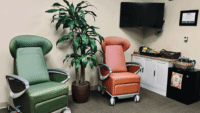
- Foster use and improvement of wellness spaces (for example, the Zen Room).
- Promote role recognition, staff acknowledgment, and team cohesion through strategic initiatives and story sharing.
The evaluations identified four categories of anticipated performance changes.
- Enhanced team communication
- Increase top-down and bidirectional dialogue between bedside staff and leadership.
- Streamline electronic health record onboarding and staff meeting education.
- Facilitate transparent communication loops, especially through professional nurse governance and huddles.
- Documentation and recognition
- Encourage proactive story tracking for Magnet submission.
- Improve documentation of changes, interdisciplinary collaboration, and staff achievements.
- Recognize wins and connect them with performance evaluation and professional development.
- Leadership accountability
- Align leadership actions with personal and organizational values.
- Emphasize thoughtful communication, vulnerability, and clarity in expectations.
- Support new leader onboarding with structured accountability and feedback practices.
- Organizational alignment and consistency
- Align unit-level initiatives with the organization’s mission, vision, and strategic goals.
- Integrate Magnet and Pathway to Excellence principles into daily workflows and staff development plans.
In addition, the evaluations noted three categories of patient outcome changes.
- Improved safety and care quality
- Implement EBP to impact patient safety, satisfaction, and clinical outcomes.
- Encourage certified nurses to apply specialty knowledge to patient care.
- Patient-centered innovation
- Support nurse-driven change projects that address patient care gaps and improve workflows.
- Enhance continuity of care by linking Magnet initiatives to bedside practice.
- Culture of excellence and trust
- Foster a just culture that prioritizes open communication, accountability, and collaboration.
- Use storytelling and staff recognition to highlight how nurse contributions affect patient experience.
Focused commitment
Graebe and Cosme describe Magnet and Pathway to Excellence not as symbols earned but rather as a demonstration of dedication to excellence and improved outcomes. Creating and sustaining a culture of excellence requires commitment by the organization, nursing leaders, and frontline nurses, with a focus on innovation that enhances the work environment and patient outcomes.
The authors work at a health system in Central Virginia. Aileen Cassada is the director of nursing excellence. Holly Puckett is the director of nursing research.
American Nurse Journal. 2026; 21(1). Doi: 10.51256/ANJ012630
References
Al Khatib I, Awad M, Shamayleh A. Understanding implementation barriers for lean magnet accreditation in the United Arab Emirates: A qualitative approach. J Nurs Manag. 2025;2025(1):7690350. doi:10.1155/jonm/7690350
American Nurses Credentialing Center. 2023 Magnet Manual Application. Silver Spring: American Nurse Credentialing Center; 2021.
American Nurses Credentialing Center. 2023 Pathway to Excellence Standards of Elements and Performance. Silver Spring: American Nurses Credentialing Center. ANCC. Pathway to Excellence. nursingworld.org/organizational-programs/pathway/overview/
Cosme S, DeGarmo S, Graebe J, Horahan M, Lal MM, Pabico CG. A framework for nursing excellence. J Nurs Adm. 2021;51(2):55-7. doi:10.1097/NNA.0000000000000968
Cronshaw A, Boddye E, Reilly L, et al. Engaging nurses to achieve a culture of excellence: a children’s hospital journey towards Pathway to Excellence accreditation. Nurs Manag. 2021;28(6):29-35. doi:10.7748/nm.2021.1980
Graebe J, Cosme S. The foundation for operational excellence: Being accredited by the American Nurses Credentialing Center. J Contin Educ Nurs. 2022;53(3):100-3. doi:10.3928/00220124-20220210-02
Griese L, Berens EM, Nowak P, Pelikan JM, Schaeffer D. Challenges in navigating the health care system: Development of an instrument measuring navigation health literacy. IJERPH. 2020;17(16):5731. doi:10.3390/ijerph17165731
Hyun K. Visualizing collaborative workflows with shared documents. Computer/Information Science 2022;42.6: 19-22.
Lackey SAM, Lott TF, Whade J. Pivotal role of the Magnet® program director. Am Nurse J. 2021;16(10):46-9. https://www.myamericannurse.com/pivotal-role-of-the-mpd/
Melnyk BM, Zellefrow C, Tan A, Hsieh AP. Differences between magnet and non magnet designated hospitals in nurses’ evidence based practice knowledge, competencies, mentoring, and culture. Worldviews Evidi Based Nurs. 2020;17(5):337-347. doi:10.1111/wvn.12467
Pursio K, Kankkunen P, Mikkonen S, Kvist T. Organizational characteristics of nursing practice environments related to registered nurses’ professional autonomy and job satisfaction in two Finnish Magnet-aspiring hospitals: structural equation modeling study. BMC Nurs. 2024;23(1):100. doi:10.1186/s12912-024-01772-9
Start RE, Carreira E, Graystone R. How the Magnet® model promotes excellence in ambulatory care nursing. NEC. 2024;42(1):26. doi:10.62116/NEC.2024.42.1.26
Sufleta A. Pivotal role of the Magnet® program director. Am Nurse J. October 2021. myamericannurse.com/pivotal-role-of-the-mpd/.
Svensson I, Bridges J, Ellis J, et al. Laying the foundations for implementing Magnet principles in hospitals in Europe: A qualitative analysis. Int J Nurs Stud. 2024;154:104754. doi:10.1016/j.ijnurstu.2024.104754
Valle Y, Tobias MK, Galuska L, Bailey KD. Three threads for weaving nursing excellence into the fabric of an organization. Nurse Leader. 2022;20(1):90-5. doi:10.1016/j.mnl.2021.08.007
Van Bogaert P, Van Heusden D, Slootmans S, et al. Leadership in nursing excellence: the Magnet Recognition® journey experiences in Europe. J Nurs Adm. 2020;50(11):578-83. doi:10.1097/NNA.0000000000000940
White E, Woodford E, Britton J, Newberry LW, Pabico C. Nursing practice environment and care quality in nursing homes. Nurs Manag. 2020;51(6):9-12. doi:10.1097/01.NUMA.0000662656.07901.a8
Key words: culture, nurse excellence, Magnet® recognition