
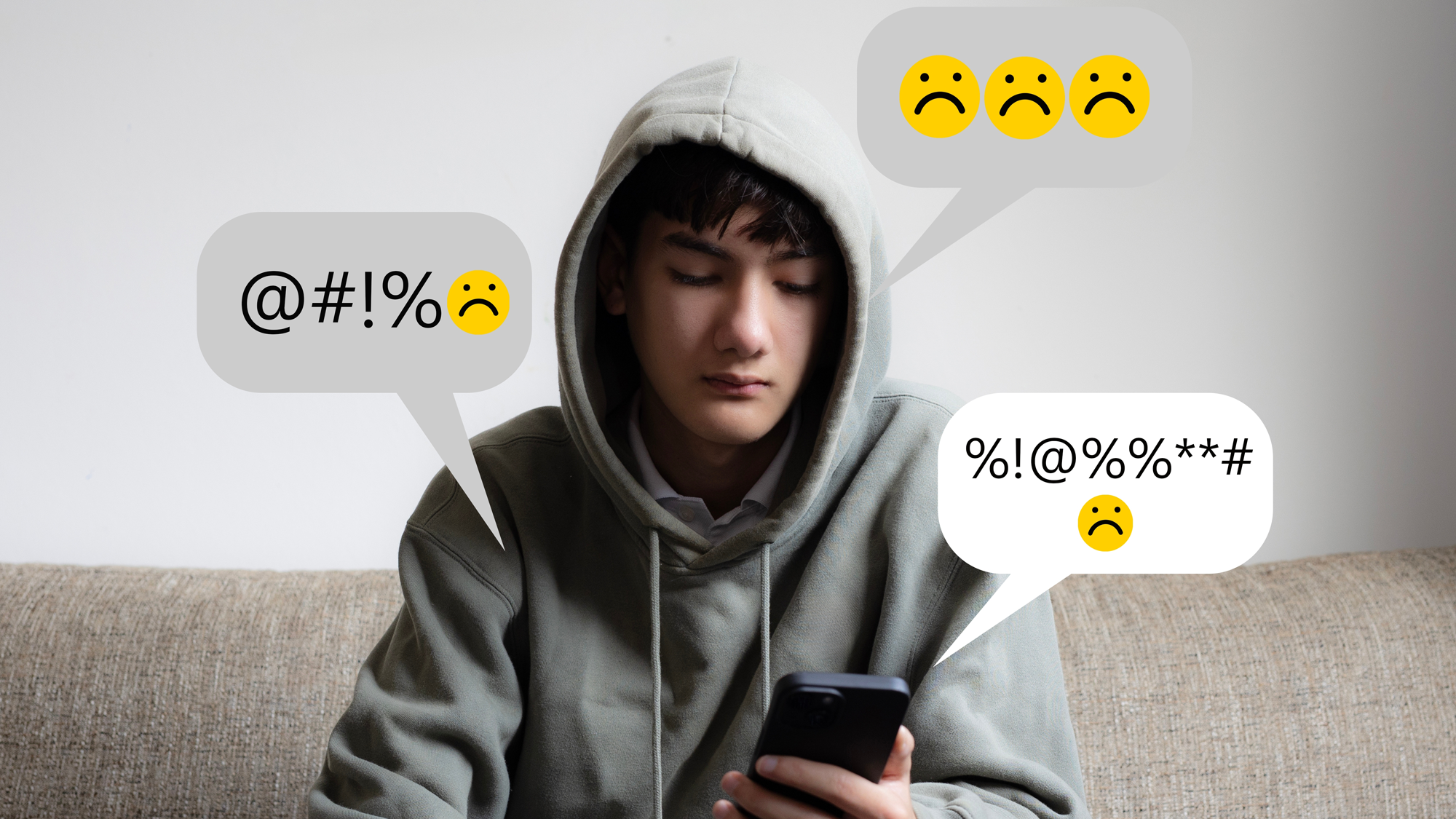
- Cyber victimization (CV) among teens is characterized by targeted aggression in an electronic context.
- This phenomenon, including cyberbullying, cyber fraud, and cyberstalking, has serious implications for adolescent mental health, contributing to issues like depression, suicidal thoughts, and emotional distress.
- To effectively support teen patients experiencing CV, nurses require increased education regarding signs and symptoms, as well as appropriate resources for patient and their families.
CYBER VICTIMIZATION (CV) negatively impacts the health and well-being of teenagers. It’s associated with depression symptoms, such as suicidal ideation and low self-esteem. However, limited guidance exists concerning nursing assessments.
Massing-Schaffer and Nesi broadly define CV, a growing public health concern, as the experience of targeted, intentional aggression carried out in an electronic context. Typically facilitated by social media platforms, CV occurs via personal devices such as smartphones or computers. In their study, Massing-Schaffer and Nesi found that teens exposed to CV face a significantly increased risk for suicidal thoughts, behaviors, and emotional distress, making this an urgent concern for healthcare professionals.
According to the Federal Bureau of Investigation (FBI), teens commonly experience CV in the form of cyberbullying, cyber fraud, and cyberstalking. Altuna noted that teens, who spend more time on the internet than younger children, have a low perception of the risks involved in using social media and other digital platforms. (See Types of cyber victimization.)
Knowledge of the different types of cyber victimization can help you assess patient risk.
grooming
Peers and others sometimes use social media platforms to entice teens to engage in dangerous online challenges. In a brief report intended to inform providers caring for patients with burns and other trauma, Doh and colleagues describe the case of an 11-year-old boy who sustained severe burns after mimicking users participating in a TikTok fire challenge. He applied hand sanitizer to his shirt and lit it on fire. The boy suffered burns covering 25% of his body, which required intensive care and multiple surgeries, including skin grafting. In 2020, the Food and Drug Administration issued a warning concerning high-dose ingestion of diphenhydramine after news reports of death or injury among teens participating in the “Benadryl Challenge.” These incidents represent a worrying trend of dangerous online influences that have led to serious injuries among teens.
The FBI’s 2023 Internet Crime Report highlights a concerning development in cyber victimization. Along with a 10% increase in the total number of complaints in 2022, reaching 880,418 reported incidents, financial repercussions have worsened due to increasing losses related to online scams and financial sextortion. The report reveals that Americans experienced over $12.5 billion in losses as a result of cyber victimization, representing a 22% increase from the previous year. Victims under 20 years old reported 18,174 instances, with losses totaling $40.7 million.
By assessing for risk factors, signs, and symptoms of CV among teens, nurses can make referrals and provide resources to patients and their families.
Awareness
In response to the increased reports of harm and mental health symptoms, lawmakers are working to raise public awareness of CV and associated risks. For example, after a 17-year-old’s death by suicide when a perpetrator blackmailed him into sharing explicit photos online, New York State Senator Patty Ritchie introduced State Bill S.6241, directing the New York Office of Mental Health to issue information related to suicide prevention and identifying signs of depression for school-aged children. The bill also authorizes school districts to include suicide prevention in health class curriculum.
Recognizing CV as a significant health concern with detrimental consequences is key to early intervention. In a study that data mined Reddit posts describing experiences of cyber victimization, Antisdel and colleagues identified narratives in which users reported persistent symptoms of emotional distress. Some acts of CV go beyond harassment and involve aggressors explicitly encouraging teens to harm themselves or attempt suicide, which may lead to increased feelings of worthlessness, hopelessness, and burdensomeness.
Many perceive CV as less serious than traditional, face-to-face victimization; however, Massing-Schaffer and Nesi noted that experiences of CV have characteristics that may exacerbate its impact. CV aggressors may act more intensely and harshly than they would in person due to the lack of visual or audio feedback from intended victims. CV experiences aren’t limited by time or proximity; aggressors don’t necessarily need physical access to the victim to cause harm. In addition, the ability of aggressors to easily mask or present a false identity may make CV difficult to identify and assess.
Misconceptions about the seriousness of CV may create barriers to disclosure. In an integrative review seeking to identify signs and symptoms related to CV, Antisdel found that teens may minimize its dangers and not identify themselves as victims. Some teens may hesitate to disclose CV because of concerns that the experiences will worsen or that parents or guardians will confiscate personal devices.
Assessment
Initially, teens may feel reluctant to report CV experiences due to embarrassment, shame, or fear of consequences. Kumar and Goldstein emphasize the importance of building trust and rapport. Nurses can do this by creating a safe environment. If the teen is willing, conduct the assessment interview in a private space away from caregivers and other individuals. If the teen doesn’t want to speak privately, respect those boundaries and offer opportunities for future discussion, such as follow-up visits or written questionnaires.
Cyber victimization has no specific physical findings; however, nurses may observe mood changes, social withdrawal, disordered eating behaviors, unexplained somatic complaints, or self-harm. When these signs coincide with changes in internet or social media use, further assessment is warranted.
CV and traditional victimization frequently overlap. Being bullied at school increases the risk of experiencing CV, and vice versa. Include targeted questions about online activity alongside questions about peer conflict and school bullying. Begin with general questions about mood and health habits, then shift to questions about internet and social media use. Validate the teen’s experience without judgment and note patterns of online frequency. Gradually move to more specific questions about peer internet and social media use. Look for problematic behaviors such as excessive screen time or contact with strangers.
Teens struggle with the need for acceptance among peers and may feel pressured to participate in risky CV-related behaviors, such as talking to strangers online and participating in online challenges. Álvarez-Turrado and colleagues describe peer behaviors as a known risk factor because teens are more likely to engage in risky online activities when their peers do. As such, nurses should ask about peer behaviors, including whether friends engage in or encourage risky online activities, experience or perpetrate cyber victimization, or interact with strangers online. Framing questions in a nonjudgemental, peer-focused manner (for example, asking about what “friends” or “people your age” do online) can help build rapport, encourage teen disclosure, and offer insight into peer dynamics that may increase risk.
Mandatory reporting
In the United States, healthcare professionals must report suspected child abuse. Teens who report that others are sharing sexualized photos or who are meeting adult strangers after online communication may need to be reported to the National Child Abuse Hotline at 800-422-4453.
Each state has specific reporting guidelines. Familiarize yourself with state, local, and healthcare organizational regulations and policies related to child protection and required reporting. When encountering teens at risk for cyber victimization, nurses should document disclosures objectively, assess immediate safety concerns (including risk of self-harm or exploitation), and consult institutional protocols or interdisciplinary care teams when available.
Education
Nurses can help teens and caregivers identify connections between risky online behaviors, CV, and physiological and psychological health issues. Assess parent or caregiver internet and social media knowledge. According to Modecki and colleagues, caregivers may require additional guidance on how to effectively monitor and set limits on internet use and online behaviors. For example, recommend that caregivers spend time online with their teens, discuss what’s appropriate or inappropriate to share, and talk about internet safety. The teen and their parent or guardian may benefit from additional resources, such as educational handouts, trusted websites, and national reporting or support services.
When appropriate, offer referrals to therapy or counseling services and connect families with community or school-based programs. Your familiarity with current CV resources and unbiased, evidence-based information can help you best support teens and their families. (See What nurses can do.)
What nurses can do
Awareness and assessment
- Know the signs and risk factors for CV.
- Build rapport with the patient.
- Ask about internet and social media use.
- Ask adolescents about peer internet behaviors.
- Ask specifically about CV experiences.
- What’s your favorite social media platform?
- What do you do to keep yourself safe online?
- Have you ever been in a situation, either online or in person, where someone encouraged you to harm yourself or suggested that you kill yourself?
- Has anyone shared personal information or photos about you without your consent? Has anyone threatened to?
- Do you know anyone who’s been threatened online or in person?
- Do you know anyone who’s threatened others online or in person?
- What do you do if you get a private message from a stranger online?
- Has a stranger online ever asked to meet you in person?
- Have you experienced any changes in your friendships or social groups due to incidents that occurred online or at school?
Education
- Include discussions about CV as part of routine visits.
- Discuss risks of online challenges.
- Encourage parents and guardians to have open conversations with their teens about internet use.
- Encourage parents and guardians to monitor children’s online activities.
- Provide resources for counseling and therapy.
- American Academy of Child & Adolescent Psychiatry: Social media and your child (bit.ly/3LHNQww)
- American Academy of Pediatrics: Cyberbullying: What parents need to know (bit.ly/49JcZ21)
- Federal Bureau of Investigation: The Com: Theft, extortion, and violence are a rising threat to youth online (bit.ly/3NSR5lt)
Websites
- Childhelphotline.org
- Federal Trade Commission: Online privacy and security (bit.ly/45i4BVP); Protecting kids online (bit.ly/45RSkYl)
- National Center for Missing & Exploited Children: NetSmartz (bit.ly/3NSRTH1); Red Flags (bit.ly/4b8yqfc)
- StopBullying.gov: Get Help Now (bit.ly/3YN8MW0)
- Thorn: Be your kids safety net (bit.ly/4pOXuvt)
Increase awareness
Teens’ high levels of internet use and need to establish a sense of identity while building and maintaining peer relationships place them at high risk of CV and its health consequences. Nurses have a responsibility to identify at-risk teens and those who’ve experienced CV.
To increase awareness within your healthcare organization, request and promote professional development opportunities focused on CV. In addition, to develop an accurate representation of experiences faced by teens, participate in continuing education courses on the topic. Ultimately, your awareness and action can prevent harm.
The authors work at Indiana University School of Nursing in Indianapolis. J’Andra Antisdel is a postdoctoral fellow. Wendy Trueblood Miller is a professor. Doyle Groves is a data specialist.
American Nurse Journal. 2026; 21(2). Doi: 10.51256/ANJ022622
References
Álvarez-Turrado B, Falla D, Romera EM. Peer pressure and cyberaggression in adolescents: The mediating effect of moral disengagement strategies. Youth Society. 2025;57(5):762-78. doi:10.1177/0044118X241306114
Antisdel J, Miller WR, Groves D. Data mining trauma: An AI-assisted qualitative study of cyber victimization on Reddit. JMIR Infodemiology. 2025;5:e75493. doi.org/10.2196/75493
Antisdel JL. The latent or covert signs and symptoms of cyber victimization and risky online behaviors: An integrative review. Issues Ment Health Nurs. 2024;46(1):29-40. doi:10.1080/01612840.2024.2415480
Altuna J, Martínez-de-Morentin JI, Lareki A. The impact of becoming a parent about the perception of Internet risk behaviors. Child Youth Serv Rev. 2020;110:104803. doi:10.1016/j.childyouth.2020.104803
Doh CY, Maluso PJ, Kohler CL, Dvorak JE. Burn injuries from TikTok challenges: A brief report. Am Surg. 2024;90(5), 1098-9. doi:10.1177/00031348231220568
European Institute for Gender Equality. Combating cyber violence against women and girls. November 25, 2022. eige.europa.eu/publications-resources/publications/combating-cyber-violence-against-women-and-girls
Federal Bureau of Investigation. Internet Crime Report 2023. ic3.gov/annualreport/reports/2023_ic3report.pdf
Kumar VL, Goldstein MA. Cyberbullying and adolescents. Curr Pediatr Rep. 2020;8(3):86-92. doi:10.1007/s40124-020-00217-6
Massing-Schaffer M, Nesi J. Cybervictimization and suicide risk in adolescence: An integrative model of social media and suicide theories. Adolescent Res Rev. 2020;5(1):49-65. doi:10.1007/s40894-019-00116-y
Modecki KL, Goldberg RE, Wisniewski P, Orben A. What is digital parenting? A systematic review of past measurement and blueprint for the future. Perspect Psychol Sci. 2022;17(6):1673-91 doi:10.1177/17456916211072458
State Bill S6241 (NY 2021). nysenate.gov/legislation/bills/2021/S6241.
U.S Food & Drug Administration. FDA warns about serious problems with high doses of the allergy medicine diphenhydramine (Benadryl). September 24, 2020. fda.gov/drugs/drug-safety-and-availability/fda-warns-about-serious-problems-high-doses-allergy-medicine-diphenhydramine-benadryl
Key words: cyber victimization, cybercrime, cyberstalking, cyber fraud, cyberbullying


















1 Comment. Leave new
thanks for info.