Cardiology
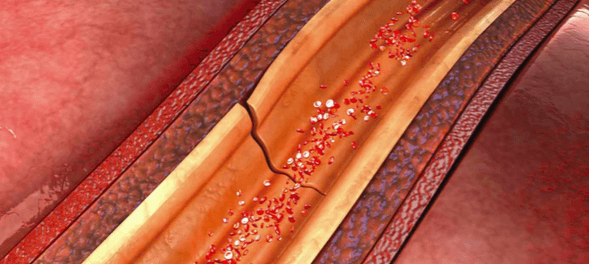
Nurses should have a high level of suspicion for spontaneous coronary artery dissection (SCAD) when patients, especially young women, present with chest pain and…
Medications for heart failure management: What nurses need to know
HEART FAILURE currently affects six million Americans, with an estimated 870,000 new cases annually. Learn about the newest medications to treat heart failure, including…
Postural orthostatic tachycardia syndrome
Get your patients back on their feet with thorough assessments that lead to early and accurate diagnoses. POSTURAL orthostatic tachycardia syndrome (POTS) affects over…
Cardiotoxic effects of cancer therapy
Treatment risks and how to manage them Takeaways: Some cancer treatments can have cardiotoxic effects. Cardiotoxic effects include decreased heart function, chest pain, arrhythmias,…
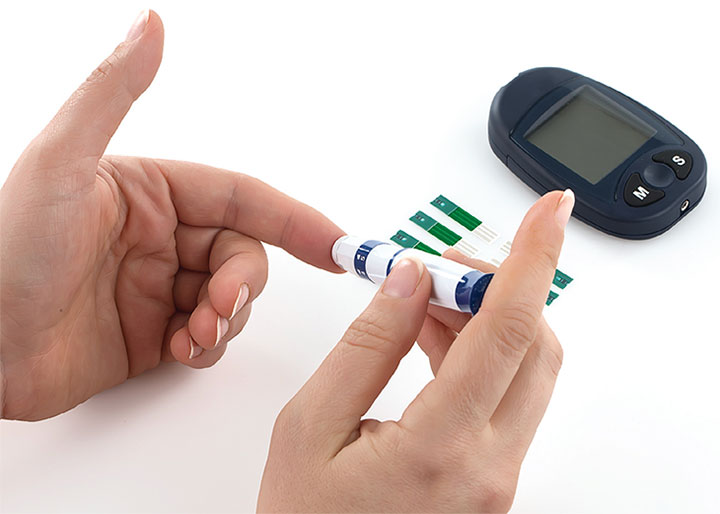
Hypoglycemia: An unwelcome companion to effective diabetes management
Hypoglycemia is generally defined in adults and children with diabetes as a blood glucose (BG) ≤ 70 mg/dL with or without hypoglycemia symptoms. A…
Women and cardiovascular disease
Understand women’s unique risks and symptoms to ensure early identification and treatment of CVD. Takeaways: Cardiovascular disease (CVD) remains the leading cause of mortality…
Technology outperforms humans
Technology continues to be debated. Do we rely on it too much? Do we not embrace it enough? But sometimes, there’s no debating the…
Supraventricular tachycardia
Quick action reverses SVT and prevents a disastrous outcome. Takeaways: Atrial fibrillation and atrial flutter are the most common subtypes of supraventricular tachycardia, which…
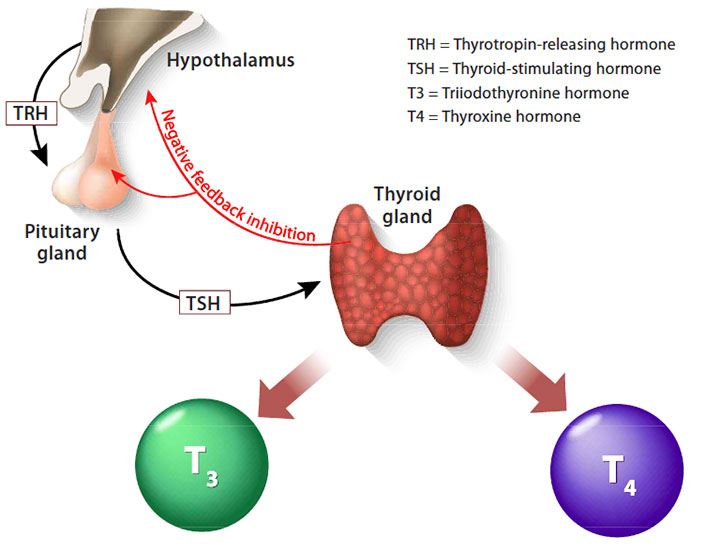
Hypothyroidism and nursing care
Hypothyroidism, also known as myxedema, is second to diabetes mellitus as the most common endocrine disorder in the United States. It’s six times more…
Walking problems and cardiovascular disease risk
The more risk factors for cardiovascular disease people aged 60-78 have, the faster walking speed declines, according to a study in the Journal of…
HIV patients at greater risk for heart, kidney disease
Patients with HIV who are at high risk for a heart attack or stroke are also at substantially greater risk for chronic kidney disease…
Diabetes and cardiovascular disease: A deadly duo
Eugene Jones, age 66, has a 10-year history of type 2 diabetes mellitus; 1 year ago, he suffered a myocardial infarction (MI). During today’s…
Spontaneous coronary artery dissection
Nurses should have a high level of suspicion for spontaneous coronary artery dissection (SCAD) when patients, especially young women, present with chest…
Medications for heart failure management: What nurses need to know
HEART FAILURE currently affects six million Americans, with an estimated 870,000 new cases annually. Learn about the newest medications to treat heart…
Postural orthostatic tachycardia syndrome
Get your patients back on their feet with thorough assessments that lead to early and accurate diagnoses. POSTURAL orthostatic tachycardia syndrome (POTS)…
Cardiotoxic effects of cancer therapy
Treatment risks and how to manage them Takeaways: Some cancer treatments can have cardiotoxic effects. Cardiotoxic effects include decreased heart function, chest…
Hypoglycemia: An unwelcome companion to effective diabetes management
Hypoglycemia is generally defined in adults and children with diabetes as a blood glucose (BG) ≤ 70 mg/dL with or without hypoglycemia…
Women and cardiovascular disease
Understand women’s unique risks and symptoms to ensure early identification and treatment of CVD. Takeaways: Cardiovascular disease (CVD) remains the leading cause…
Technology outperforms humans
Technology continues to be debated. Do we rely on it too much? Do we not embrace it enough? But sometimes, there’s no…
Supraventricular tachycardia
Quick action reverses SVT and prevents a disastrous outcome. Takeaways: Atrial fibrillation and atrial flutter are the most common subtypes of supraventricular…
Hypothyroidism and nursing care
Hypothyroidism, also known as myxedema, is second to diabetes mellitus as the most common endocrine disorder in the United States. It’s six…
Walking problems and cardiovascular disease risk
The more risk factors for cardiovascular disease people aged 60-78 have, the faster walking speed declines, according to a study in the…
HIV patients at greater risk for heart, kidney disease
Patients with HIV who are at high risk for a heart attack or stroke are also at substantially greater risk for chronic…
Diabetes and cardiovascular disease: A deadly duo
Eugene Jones, age 66, has a 10-year history of type 2 diabetes mellitus; 1 year ago, he suffered a myocardial infarction (MI).…
Poll


NurseLine Newsletter
*By submitting your e-mail, you are opting in to receiving information from Healthcom Media and Affiliates. The details, including your email address/mobile number, may be used to keep you informed about future products and services.