
An enduring legacy that matters

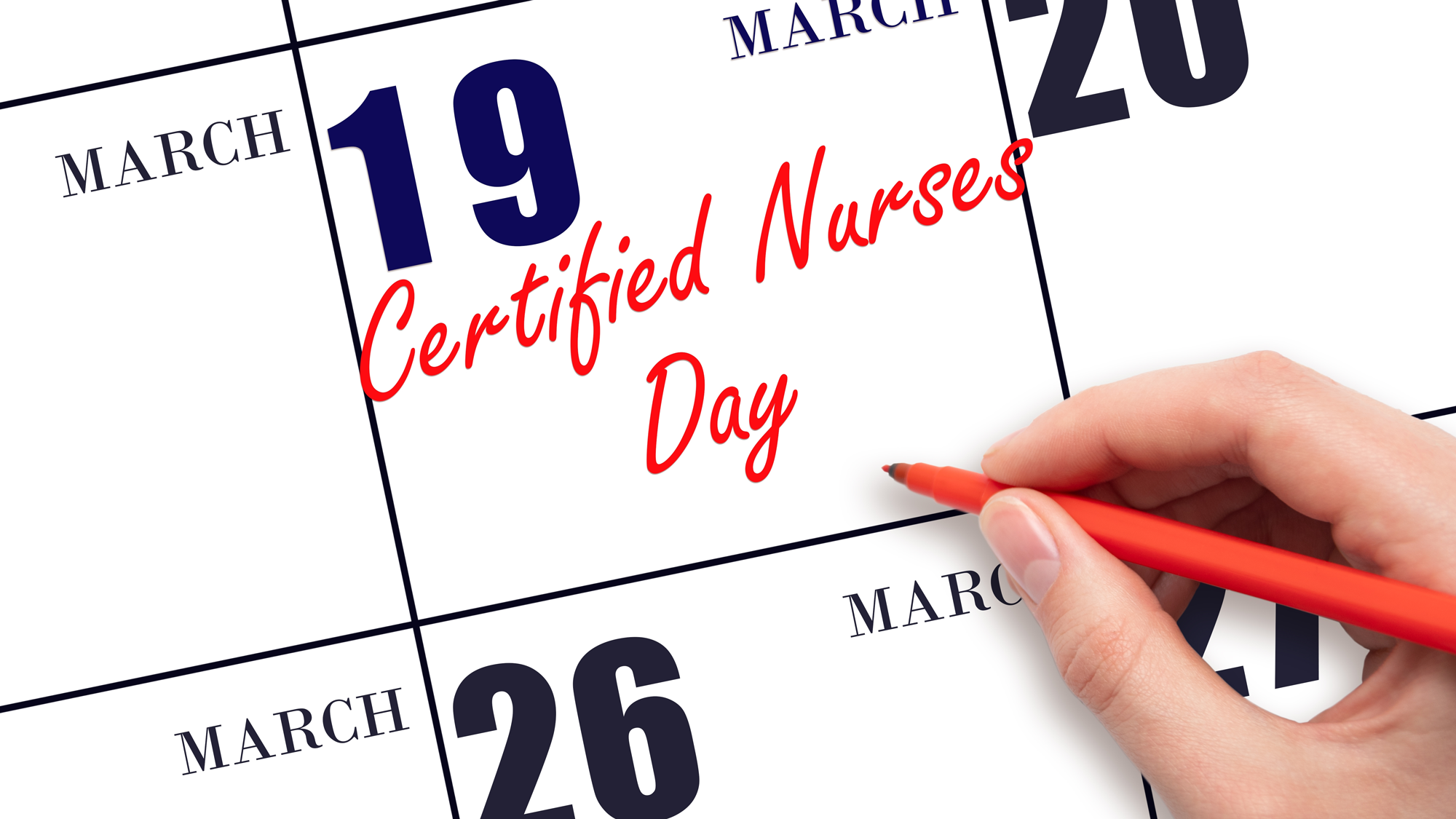
EACH YEAR on March 19, the American Nurses Enterprise (ANE) and organizations nationwide honor certified nurses—professionals who embody the pursuit of excellence. Certified Nurses Day also honors the remarkable legacy of Dr. Margretta “Gretta” Madden Styles, widely regarded as the architect of nurse credentialing.
When Gretta conducted the first extensive studies of nurse credentialing—research that ultimately led to a comprehensive set of certification standards—she couldn’t have envisioned the long-lasting and truly global impact of her efforts.
Today, more than 340,000 nurses hold credentials from the American Nurses Credentialing Center (ANCC), distinguishing themselves and assuring patients, colleagues, and organizations that they’ve attained specialized knowledge and expertise in their area of practice.
This milestone alone would be notable, but it’s just one in the decades since Gretta envisioned and helped launch ANCC. The organization’s standards, credentials, accreditations, and research have since reached millions of nurses worldwide, at every career stage and across every practice setting.
From new graduates just embarking on their careers to seasoned nurses deepening their expertise through professional development, ANCC- accredited programs ensure that they enhance their practice in alignment with the latest evidence-based standards.
Hundreds of thousands of nurses in the United States—and an increasing number globally—practice in organizations that hold ANCC Magnet Recognition Program® or Pathway to Excellence Program® designations or Well-Being Excellence™ credentials.
Starting with the landmark 1983 study that identified the Forces of Magnetism and laid the foundation for the Magnet Recognition Program, research has demonstrated consistently that when organizations invest in structures and practices that support nursing excellence, patients benefit through better outcomes, such as reduced falls, injuries, and other adverse events. Nurses also experience higher professional satisfaction and engagement, while organizations see lower employee turnover.
Today, about 10% of hospitals in the United States and more than 20 international organizations hold Magnet designations. However, Magnet isn’t just for acute care hospitals. Ambulatory care centers and long-term acute care hospitals, some as small as 30 beds, have been designated. Likewise, more than 280 organizations worldwide hold Pathway to Excellence designations, and the Pathway to Excellence in Long Term Care® Program recognizes long-term care organizations for positive practice environments in which not only nurses but also unlicensed assistive personnel excel.
These credentials reflect organizational resilience—the capacity to anticipate, adapt, and respond quickly and effectively to crises—rather than expecting nurses to navigate these challenges alone.
Gretta’s lifelong commitment to scholarly inquiry inspires us to this day. The Margretta Madden Styles Credentialing Research Grant, conferred by the American Nurses Foundation in collaboration with ANCC, advances exploration of credentialing in nursing and examines its impact on healthcare quality and patient outcomes. Pivotal research sponsored by ANE has detailed a conceptual model that could fundamentally shift how nursing is valued.
Just as Gretta couldn’t know the full sweep and scope of her groundbreaking work, we can’t predict what lies ahead. What remains clear, however, is ANCC’s ongoing commitment to elevate patient-centric care standards, set benchmarks, develop nurse leaders, and conduct research for safer global patient outcomes—an effort worth celebrating not only on March 19 but every day.
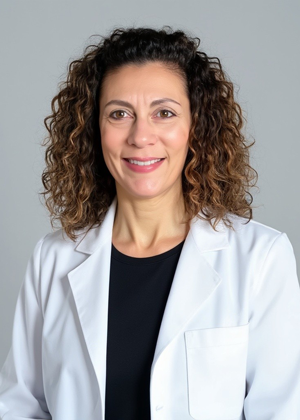
Jennifer Mensik Kennedy PhD, MBA, RN, NEA-BC, FAAN
President, American Nurses Association

Laura J. Wood, DNP, RN, NEA-BC, FAAN
President, American Nurses Credentialing Center
American Nurse Journal. 2026; 21(3). Doi: 10.51256/ANJ032613
 American Nurse is the official journal of the American Nurses Association and is a member benefit. Learn more about the association and the many benefits of joining.