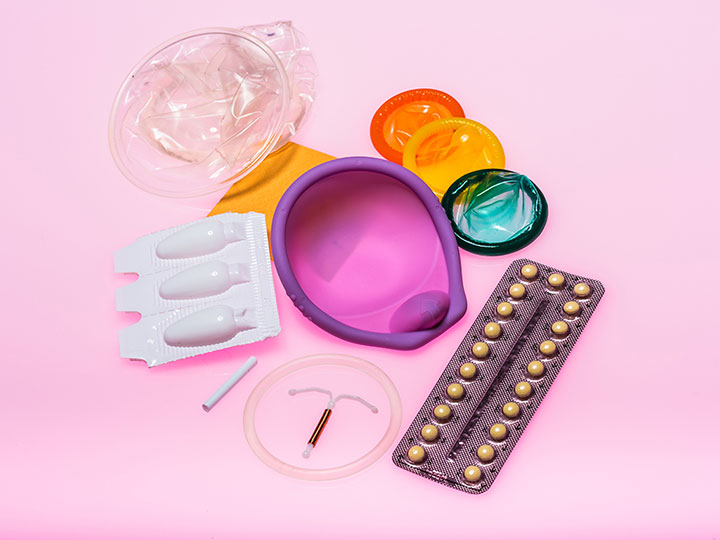
Objective – This report presents national estimates of sexual activity and contraceptive use among males and females aged 15–19 in the United States in 2011–2015, based on data from the National Survey of Family Growth (NSFG). For selected indicators, data are also presented from the 1988, 1995, 2002, and 2006–2010 NSFGs, and from the 1988 and 1995 National Survey of Adolescent Males, which was conducted by the Urban Institute.
Methods – NSFG data were collected through in-person interviews with nationally representative samples of men and women aged 15–44 in the household population of the United States. NSFG 2011–2015 interviews were conducted between September 2011 and September 2015 with 20,621 men and women, including 4,134 teenagers (2,047 females and 2,087 males). The response rate was 72.5% for male teenagers and 73.0% for female teenagers.
 Results – In 2011–2015, 42.4% of never-married female teenagers (4.0 million) and 44.2% of never-married male teenagers (4.4 million) had had sexual intercourse at least once by the time of the interview (were sexually experienced). These levels of sexual experience among teenagers are similar to those seen in 2002 and 2006–2010 data. Longer-term trends, from 1988 to 2011–2015, show declines in the percentage of teenagers who were sexually experienced. Female teenagers’ use of a method of contraception at first sex increased from 74.5% in 2002 to 81.0% in 2011–2015. Male teenagers’ use of a condom at first sex increased from 70.9% in 2002 to 79.6% in 2006–2010 and remained stable at 76.8% in 2011–2015. Overall, in 2011–2015, 5.8% of female teenagers had used a long-acting reversible method (intrauterine device or implant).
Keywords: adolescents • birth control • teen pregnancy risk • National Survey of Family Growth
Monitoring sexual activity and contraceptive use among teenagers is important because of the health, economic, and social costs of pregnancy and childbearing among the teen population (1,2). Although teen pregnancy and birth rates have been declining since the early 1990s and reached historic lows at 22.3 per 1,000 females aged 15–19 in 2015 (3), U.S. rates are still higher than those in other developed countries. For example, in 2011, the teen birth rate in Canada was 13 per 1,000 females aged 15–19, which was less than one-half of the U.S. rate (34 per 1,000 females aged 15–19) in the same year. Also in 2011, the rate in France was 7 and the rate in Germany was 5, both of which were less than one-quarter of the U.S. rate (4).
 In addition, while declines have occurred for Hispanic, non-Hispanic black, and non-Hispanic white teenagers, differences between these groups persist, and pregnancy rates are at least twice as high for non-Hispanic black and Hispanic teenagers as they are for non-Hispanic white teenagers (5). As a result of the concern with these higher rates of teen pregnancy and births, as well as differences by race and ethnicity and other socioeconomic characteristics (3,6), a large number of federal, state, and local teen pregnancy prevention programs have been launched over the past few decades. In 2014, the Centers for Disease Control and Prevention (CDC) declared teen pregnancy one of seven “Winnable Battles,” highlighting the importance of reducing teen pregnancy and birth rates (7). In addition, concern remains high over the incidence of HIV and other sexually transmitted infections (STIs) among young people. Sexually active adolescents aged 15–19 and young adults aged 20–24 are at higher risk of acquiring STIs than adults. Reasons for this include behavior, physiology, and factors related to health care access and services (8). Prevalence estimates suggest that one in four sexually active adolescent females has an STI, such as chlamydia or human papillomavirus (HPV) (8). According to the most recent estimates, the total direct medical cost of STIs in the United States among all ages was $15.6 billion (9). Women and men aged 15–24 account for a large portion of these costs because they acquire nearly one-half of the 20 million new STIs in the United States each year.
This report presents recent data on the sexual activity and contraceptive use of males and females aged 15–19 in the United States, using data from the 2011–2015 and earlier National Surveys of Family Growth (NSFG) and the 1988 and 1995 National Surveys of Adolescent Males (NSAM) (Text Table, Tables 1–9, and Figures 1–7), updating statistics presented in prior similar reports (10–13).
Source: https://www.cdc.gov/nchs/data/nhsr/nhsr104.pdf
Read more and get the PDF here:
sexual activity contraceptive use teenagers