
Professional nurses make meaningful contributions to quality outcomes for patients, communities, and organizations. The American Nurses Association maintains that “nurses have a social responsibility to evaluate the effect of nursing practice on patient outcomes in the areas of health promotion, injury and illness prevention, and alleviation of suffering.” Measuring empirical outcomes (based on scientific findings as opposed to personal beliefs) elevates the nursing profession from task-based practices, which emphasize what nurses do, to outcome-based practices, which accentuate what nurses achieve.
Currently, a gap exists in nurses’ understanding of how structure and process, which create the foundation for nursing excellence, contribute to outcomes that support and quantify the unique contributions of professional nurses. Calculating the impact of nursing care is best achieved through a set of measures that includes outcomes and associated structures and processes. The Donabedian Model, developed by physician and researcher Avedis Donabedian in 1966, serves as a conceptual framework clinicians can use to define outcome metrics (often referred to as the “so what”) based on key components of structure, process.
- Structure: Context of healthcare delivery, accounting for the infrastructure of the care setting, resources, staff availability, funding, policies, and procedures
- Process: Actions, such as assessment, treatment, education, communication, care coordination, and clinical policies/workflows
- Outcomes: Effectiveness of the structure and process and the end results of the impact, such as clinical outcomes, quality indicators, cost, or satisfaction
To lend credibility to nursing’s evidence-based work and encourage contribution to the body of scientific evidence, professional nurses should receive education and mentoring in quality monitoring using the Donabedian Model as a framework.
Case study
Structure: A 35-bed medical–surgical unit notes an increase in its falls with injury rate. A team of clinical nurses reviews the existing nursing literature and forms a fall-prevention workgroup to investigate tactics to reduce the unit’s falls with injury rate. The team evaluates the organization’s fall prevention clinical practice guidelines.
Process: Clinical nurses find that the literature points to a fall prevention agreement as a best practice to reduce inpatient fall rates. The team collaborates with nursing and organizational leaders to draft and implement a fall prevention agreement on their clinical unit.
Outcome: After implementation, clinical nurses measure patient falls with injury and note a reduction in this metric (total # of patient falls with injury/total # patient days x 1,000).
Make it happen:
- Use the Donabedian Model. Apply structure, process, and outcome metrics to each project.
- Evaluate the data. Demonstrate the outcome and change.
- Mentor the next generation. Promote nursing excellence.
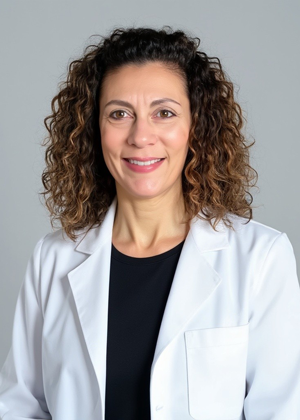
Lauren Souchak is a nursing excellence specialist at Jefferson Health – Lehigh Valley in Allentown, Pennsylvania.
References
American Nurses Credentialing Center. 2023 Magnet® Application Manual. Silver Spring, MD: American Nurses Association; 2023.
American Nurses Association. Nursing’s Social Policy Statement: The Essence of the Profession. 3rd ed. Silver Spring, MD: American Nurses Association; 2010.
Jones TL. Outcome measurement in nursing: Imperatives, ideals, history, and challenges. Online J Issues Nurs. 2016;21(1):1. doi:10.3912/OJIN.Vol21No02Man01