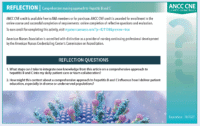

Clinical fluency, patient education, and vigilant monitoring

THE RAPID RISE OF glucagon-like peptide-1 (GLP-1) receptor agonists marks a significant therapeutic shift, with far-reaching implications for nursing practice. Medications such as semaglutide and tirzepatide—originally developed for type 2 diabetes—are now widely used for weight management and are reshaping how clinicians approach certain chronic diseases. For nurses, this GLP-1 revolution demands clinical fluency, patient education expertise, and vigilance in monitoring emerging evidence.
At their core, GLP-1–based therapies mimic incretin hormones that regulate glucose and appetite. They enhance insulin secretion, suppress glucagon, slow gastric emptying, and promote satiety. The result is improved glycemic control and substantial weight loss. Importantly, robust clinical trials now demonstrate meaningful cardiovascular benefit, including reductions in major adverse cardiovascular events in high-risk populations. These findings position GLP-1 therapies not only as metabolic agents but also as cardioprotective interventions with implications for long-term population health.
Beyond cardiovascular outcomes, emerging research suggests broader therapeutic potential. Early evidence indicates benefit in metabolic dysfunction–associated steatotic liver disease (formerly nonalcoholic fatty liver disease), with improvements in liver inflammation and fibrosis markers. Also, investigators are exploring GLP-1 effects on reward pathways, with preliminary studies suggesting reduced cravings and potential roles in treating substance use disorders. Growing interest in neuroprotection—particularly in conditions such as Alzheimer’s and Parkinson’s disease—reflects GLP-1s’ possible anti-inflammatory and neuroregulatory properties. Although these applications remain investigational, they signal a rapidly expanding clinical horizon that nurses should follow closely.
With expanded use comes increased responsibility at the point of care, requiring nurses’ understanding of indications, contraindications, and evolving prescribing guidelines. For instance, these agents are not appropriate for individuals with a history of medullary thyroid carcinoma or multiple endocrine neoplasia type 2, reinforcing the importance of careful screening.
Side effect management is equally essential. GI symptoms, including nausea, vomiting, and constipation, are common, particularly during dose escalation. Nurses play a central role in counseling patients about gradual titration, hydration, and dietary adjustments to support adherence and therapeutic success.
Importantly, the proliferation of misinformation requires a strong nursing voice. Unrealistic expectations and unsafe sourcing underscore the need for evidence-based patient education.
As nurses, we are continually challenged with staying up to date about new therapies. The GLP-1 revolution represents more than a new class of medications; it reflects a paradigm shift in chronic disease management. Nurses, as constant patient advocates and educators, are central to ensuring these therapies are used safely, effectively, and in alignment with the rapidly evolving science.
To learn more, see The GLP-1 revolution

Lillee Gelinas, DNP, RN, CPPS, FAAN
Editor-in-Chief
American Nurse Journal. 2026; 21(6). Doi: 10.51256/ANJ062604