A study in JAMA found that use of anesthesia services for gastrointestinal endoscopies and colonoscopies “increased substantially” between 2003 and 2009. Anesthesia use was mostly in low-risk patients…
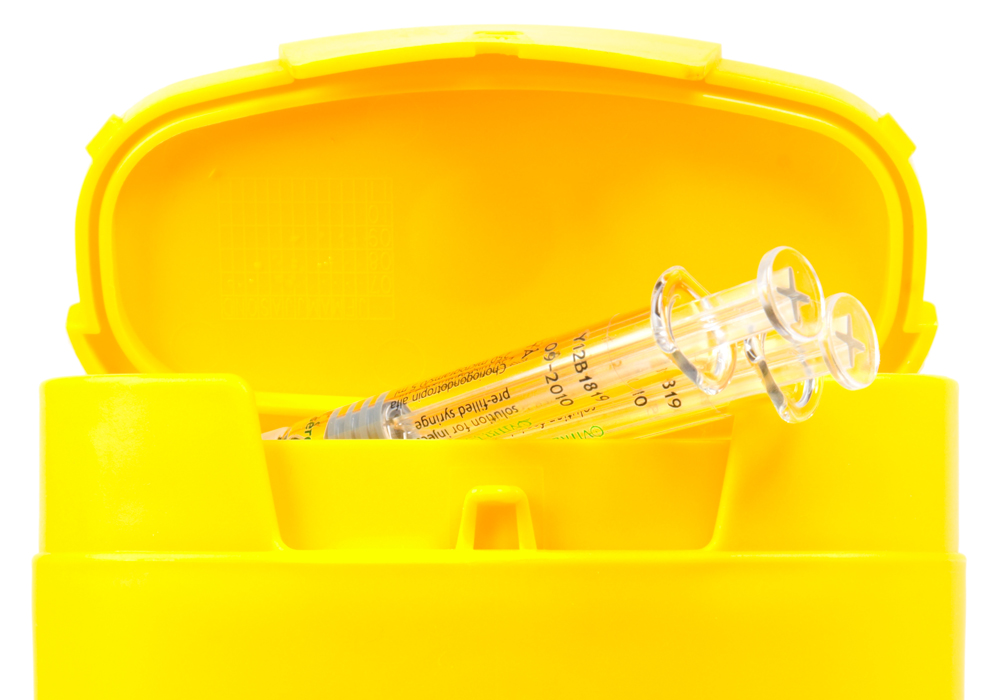
Healthcare workers are exposed to blood-borne pathogens through contaminated needlesticks, sharps injuries, and mucous membrane exposures to infectious blood or body fluids of patients. The Centers for Disease…
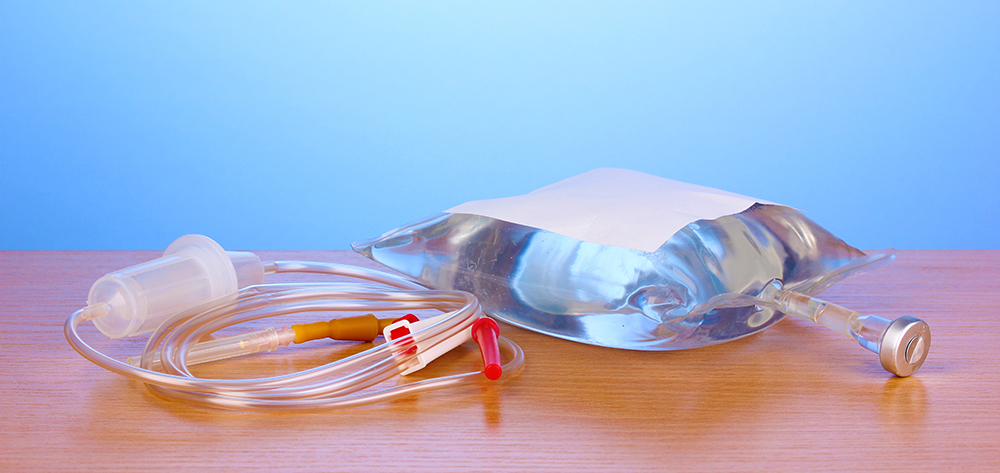
Do you sometimes have trouble remembering the equation you learned for calculating I.V. drip rates? This article presents a simplified equation that can make calculations quicker and easier…
Because of improvements in safety, stents are now the treatment of choice for many patients. Learn about the improvements and your role in patient care.
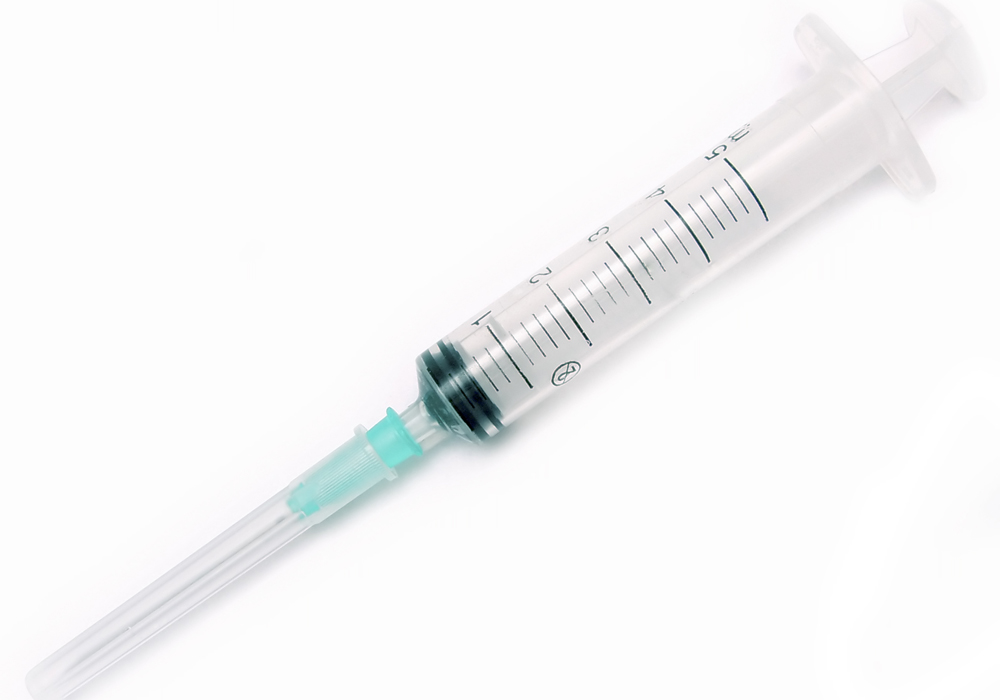
An essential part of a sharps safety program is selecting appropriate devices, such as safety needles. While no one device, feature, or mechanism of action addresses all clinical…
Learn how to promote pediatric immunizations in your practice. Part of ANA’s Bringing Immunity to Every Community campaign. this handout stresses the importance of vaccinating children and their…
On Aug. 13, the U.S. Food and Drug Administration (FDA) announced the recall of 6 French Engage Introducers manufactured between April 27 and June 3, 2010. Read more…
The U.S. Food and Drug Administration has launched a new website for patients and caregivers on the safe disposal of needles and other “sharps” that are used at…
On May 3, the U.S. Food and Drug Administration (FDA) announced that it has ordered Baxter Healthcare Corp. to recall and destroy all of its Colleague Volumetric Infusion…
On May 30, the U. S. Food and Drug Administration (FDA), National Institute for Occupational Safety and Health (NIOSH), and Occupational Safety and Health Administration (OSHA) issued a…
Between 30% and 50% of adults admitted to U.S. hospitals are malnourished. This article explains how to provide nourishment while achieving better outcomes and shorter hospital stays.
Thanks partly to the new Medicare and Medicaid hospital reimbursement rules and the trend toward home health care, infusion nurses are in greater demand than ever. As hospitals…
About 80% of all deaths from medication errors are caused by some 20 drugs. This article gives you evidence-based strategies for preventing errors with these deadly drugs.
On Sept. 10, the U.S. Food and Drug Administration announced the recall of the Hospira Symbiq One-Channel and Two-Channel Infusers because of the potential of the device to…
The U.S. Food and Drug Administration has devoted a section of its website to infusion pump safety. It includes a link for reporting an infusion pump problem. Read…
Patients with ovarian cancer may receive intraperitoneal (IP) chemotherapy, which delivers chemotherapeutic agents directly into the peritoneal cavity. Drugs given by this route include paclitaxel, carboplatin, and cisplatin.
Avoiding the dangers of I.V. phenytoin As an infusion nurse specialist, I’d like to add some information to and clarify some points in “Phenytoin: Keep patients in the…
Background: The International Healthcare Worker Safety Center (IHWSC) at the University of Virginia drafted and began circulating the consensus statement on sharps safety in the summer of 2011.…
Note: This Consensus Statement and Call to Action was drafted by members of the steering committee* for the conference “Tenth Anniversary of the Needlestick Safety and Prevention Act:…
Researchers at MIT have developed a needle-free injection device to deliver drugs. The device offers greater control than previous devices for regulating delivery volume and depth. Read more.
The U.S. Pharmacopeial Convention has announced new standardized labeling requirements for injectable medication vials. Manufacturers can only put cautionary statements for preventing “imminent life-threatening situations” on the top…
Standard of care in the ICU – or object of overuse, abuse, and misuse? The authors explain why they believe PA catheter use may harm more critically ill…
One of The Joint Commission’s 2012 National Patient Safety Goals is preventing urinary tract infections caused by catheters. The author reviews best practices that will help nurses meet…
I.V. fluids should help a dehydrated patient, but for one with a history of atrial fibrillation and coronary artery disease, they could contribute to pulmonary edema. For Grace…
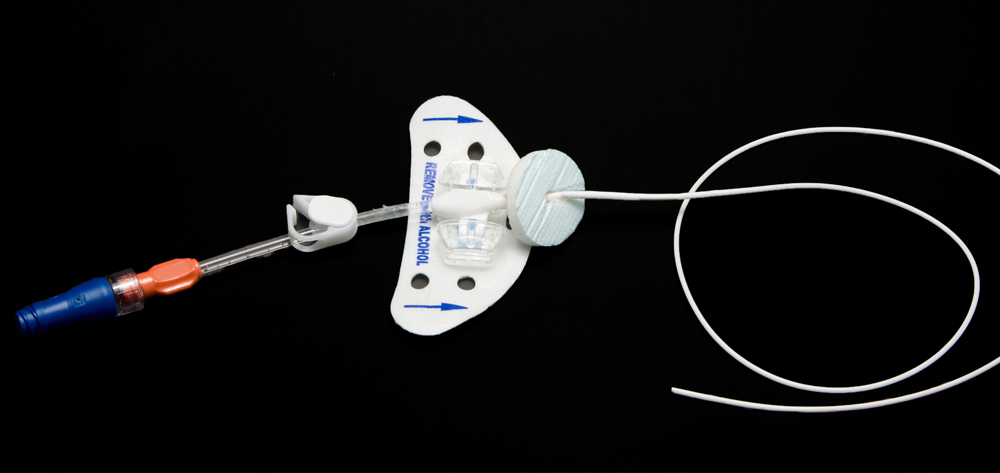
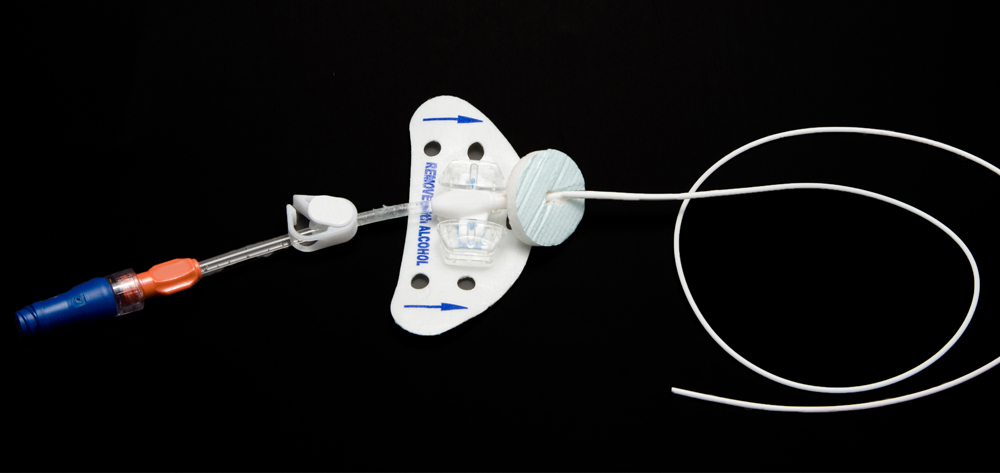
Using a disinfection cap (with isopropyl alcohol) on central line catheters significantly reduced central-line associated bloodstream infection (CLABSI) rates, according to a study in the American Journal of…
“Home Alone: Family Caregivers Providing Complex Chronic Care, ” from AARP and United Hospital Fund, found that almost half (46%) of family caregivers perform medical/surgical tasks for care…
A review article in December 2012’s Journal of Hospital Infection found that highest population-attributable risk percentage for urinary tract infection (UTI) was associated with urinary catheterization, “with the…
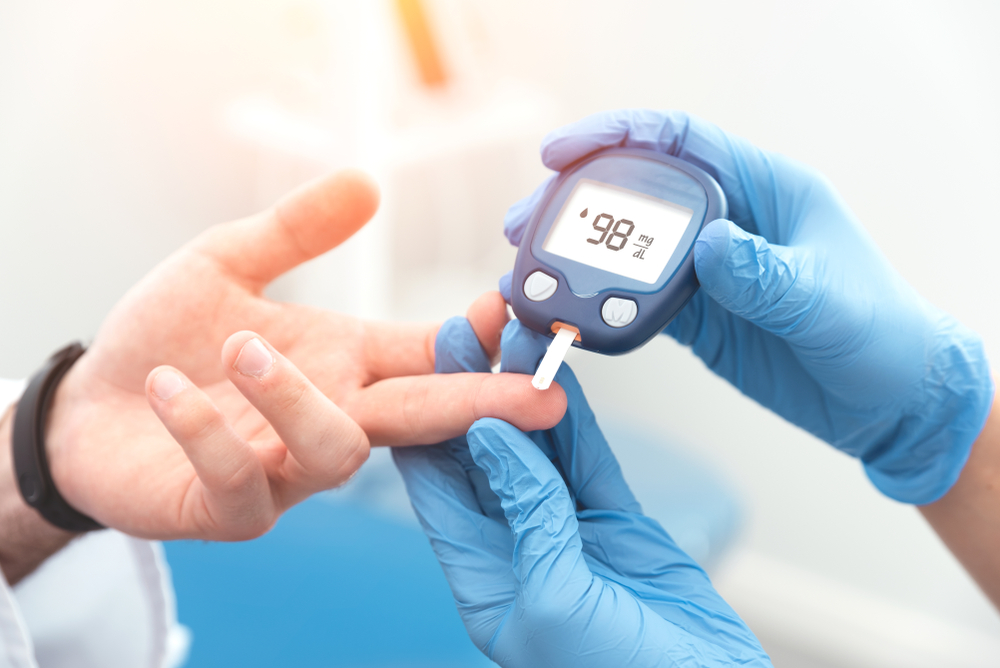
American Diabetes Association releases food guidelines for specific medical categories “When you’re talking about diabetes, there is no ‘one size fits all’ diet,” said Ann Albright, PhD, RD,…
Blood transfusions can sustain and save lives. But sometimes they sicken and even kill. Learn how to prevent, detect, and manage blood transfusion reactions.
Blood transfusions can sustain and save lives. But sometimes they sicken and even kill. Learn how to prevent, detect, and manage blood transfusion reactions.
In the 12 years since passage of the federal Needlestick Safety and Prevention Act (NSPA), much progress has been made to reduce the risk of healthcare worker exposure…
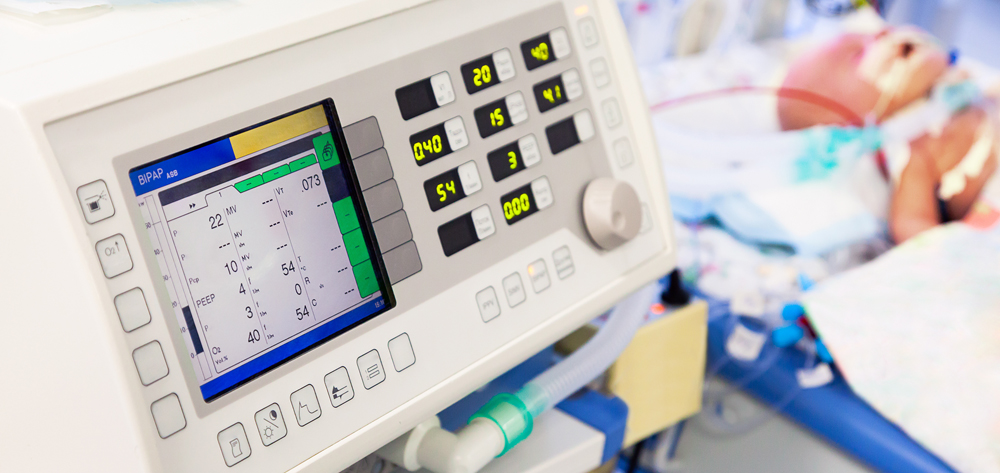
To survive acute lung injury, patients need all the help they can get. High-frequency oscillatory ventillation protects their lungs by maintaining a constant mean airway pressure.
Nearly half of ICU patients have central venous catheters, putting them at risk for deadly bloodstream infections. Learn about proven methods for preventing these infections – and about…
A study in JAMA found that use of anesthesia services for gastrointestinal endoscopies and colonoscopies “increased substantially” between 2003 and 2009. Anesthesia use was…
Healthcare workers are exposed to blood-borne pathogens through contaminated needlesticks, sharps injuries, and mucous membrane exposures to infectious blood or body fluids of patients.…
Do you sometimes have trouble remembering the equation you learned for calculating I.V. drip rates? This article presents a simplified equation that can make…
Learn how to promote pediatric immunizations in your practice. Part of ANA’s Bringing Immunity to Every Community campaign. this handout stresses the importance of…
On May 30, the U. S. Food and Drug Administration (FDA), National Institute for Occupational Safety and Health (NIOSH), and Occupational Safety and Health…
Between 30% and 50% of adults admitted to U.S. hospitals are malnourished. This article explains how to provide nourishment while achieving better outcomes and…
Thanks partly to the new Medicare and Medicaid hospital reimbursement rules and the trend toward home health care, infusion nurses are in greater demand…
About 80% of all deaths from medication errors are caused by some 20 drugs. This article gives you evidence-based strategies for preventing errors with…
On Sept. 10, the U.S. Food and Drug Administration announced the recall of the Hospira Symbiq One-Channel and Two-Channel Infusers because of the potential…
Patients with ovarian cancer may receive intraperitoneal (IP) chemotherapy, which delivers chemotherapeutic agents directly into the peritoneal cavity. Drugs given by this route include…
Background: The International Healthcare Worker Safety Center (IHWSC) at the University of Virginia drafted and began circulating the consensus statement on sharps safety in…
Note: This Consensus Statement and Call to Action was drafted by members of the steering committee* for the conference “Tenth Anniversary of the Needlestick…
Researchers at MIT have developed a needle-free injection device to deliver drugs. The device offers greater control than previous devices for regulating delivery volume…
The U.S. Pharmacopeial Convention has announced new standardized labeling requirements for injectable medication vials. Manufacturers can only put cautionary statements for preventing “imminent life-threatening…
One of The Joint Commission’s 2012 National Patient Safety Goals is preventing urinary tract infections caused by catheters. The author reviews best practices that…
Using a disinfection cap (with isopropyl alcohol) on central line catheters significantly reduced central-line associated bloodstream infection (CLABSI) rates, according to a study in…
“Home Alone: Family Caregivers Providing Complex Chronic Care, ” from AARP and United Hospital Fund, found that almost half (46%) of family caregivers perform…
A review article in December 2012’s Journal of Hospital Infection found that highest population-attributable risk percentage for urinary tract infection (UTI) was associated with…
American Diabetes Association releases food guidelines for specific medical categories “When you’re talking about diabetes, there is no ‘one size fits all’ diet,” said…
Blood transfusions can sustain and save lives. But sometimes they sicken and even kill. Learn how to prevent, detect, and manage blood transfusion reactions.
Blood transfusions can sustain and save lives. But sometimes they sicken and even kill. Learn how to prevent, detect, and manage blood transfusion reactions.
To survive acute lung injury, patients need all the help they can get. High-frequency oscillatory ventillation protects their lungs by maintaining a constant mean…
Nearly half of ICU patients have central venous catheters, putting them at risk for deadly bloodstream infections. Learn about proven methods for preventing these…
Reader Survey
Please share your feedback! We’re interested to learn more about your experience with American Nurse Journal.