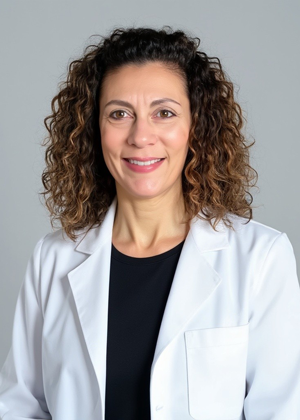

“Because food is so universal, nutrition is one of the most powerful tools we have for cardiovascular prevention and management,” says Bunmi Ogungbe, PhD, MPH, RN, assistant professor at the Johns Hopkins School of Nursing.
The Food Is Medicine movement has been gaining momentum as a commonsense approach to cardiovascular care for some time. The goal is to complement, not replace, pharmacological interventions. With regard to heart disease, the leading causes of death in the United States, health systems and policymakers are finally recognizing nutrition as foundational to care rather than an afterthought.
In this Q&A, Dr. Ogungbe discusses how emerging research is building the evidence needed to integrate Food Is Medicine approaches into routine cardiovascular practice.
Heart disease remains one of the leading causes of death in the United States. From your perspective, where does nutrition fit into cardiovascular prevention today?
Many common heart conditions, including hypertension and heart failure, are closely tied to diet and lifestyle. When we intervene early through nutrition, we can prevent years of chronic disease, disability, and escalating medical care.
Nutrition also remains important after diagnosis. Although cardiovascular guidelines recommend combining lifestyle and medication strategies, nutrition often receives far less attention in practice, despite its proven impact on outcomes.
How does Food Is Medicine differ from dietary advice typically offered in clinical care?
Food Is Medicine makes nutrition actionable and accessible. Instead of simply advising patients what to eat, these interventions account for real-world factors such as food access, affordability, and the ability to prepare meals. Food Is Medicine programs provide direct support—like produce prescriptions, medically tailored groceries or meals, and dietitian guidance—to remove structural barriers and help patients follow nutrition recommendations as part of their care.
How does the THRIVE program demonstrate the impact of a bundled Food Is Medicine approach on heart health?
My American Heart Association Healthcare by Food research project THRIVE uses a bundled approach that combines produce prescriptions with registered dietitian coaching to address the multiple factors driving cardiovascular risk. Participants receive personalized nutrition guidance, direct access to healthy food, and screening for social needs that may affect adherence.
Early findings are promising. Over 6 months, participants in the intervention group experienced an average reduction of 6.8 mmHg in systolic blood pressure, with nearly 13 mmHg reductions among those with higher adherence to the DASH dietary pattern. Improvements in diet quality also were observed, with ongoing analyses examining food security and longer-term outcomes.
Despite strong links between diet and cardiometabolic disease, nutrition support is still rarely reimbursed. What barriers continue to limit coverage for Food Is Medicine programs, and why does this matter for heart health equity?
The primary barrier is the lack of standardized, large-scale evidence needed for widespread coverage. Payers and policymakers want data on clinical effectiveness, cost savings, utilization, and long-term outcomes. Although many pilot programs have shown promise, coverage remains fragmented.
This has major equity implications. Communities most affected by cardiovascular disease frequently are the same communities facing food and nutrition insecurity. Without reimbursement, Food Is Medicine programs remain grant-funded and limited in scale, restricting access for those who could benefit most.
Large, multi-site studies like this are building a stronger evidence base for Food Is Medicine interventions. What key research questions are being answered now?
Current studies are answering important questions about clinical effectiveness—whether Food Is Medicine interventions improve outcomes such as blood pressure, glycemic control, and quality of life. Researchers also are examining cost-effectiveness, optimal duration, dose and intensity of interventions, and how (implementation outcomes) these programs can be implemented and sustained in real-world health systems.
Looking ahead, how could findings from THRIVE and similar trials shape the future of cardiovascular care?
As evidence grows, these findings can inform clinical guidelines, reimbursement decisions, and practical implementation models. Demonstrating cost-effectiveness and feasibility will be key to moving these interventions from pilot programs into routine cardiovascular care—supporting patients, strengthening the healthcare workforce, and advancing health equity.