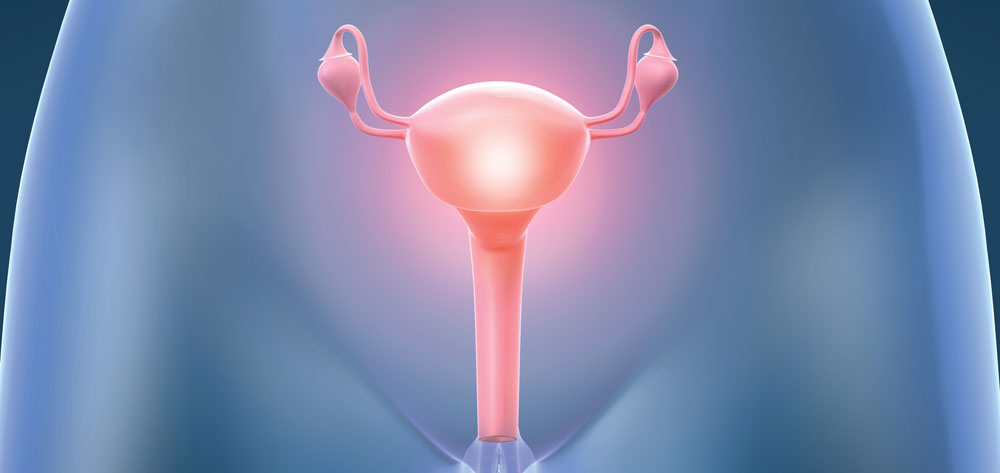
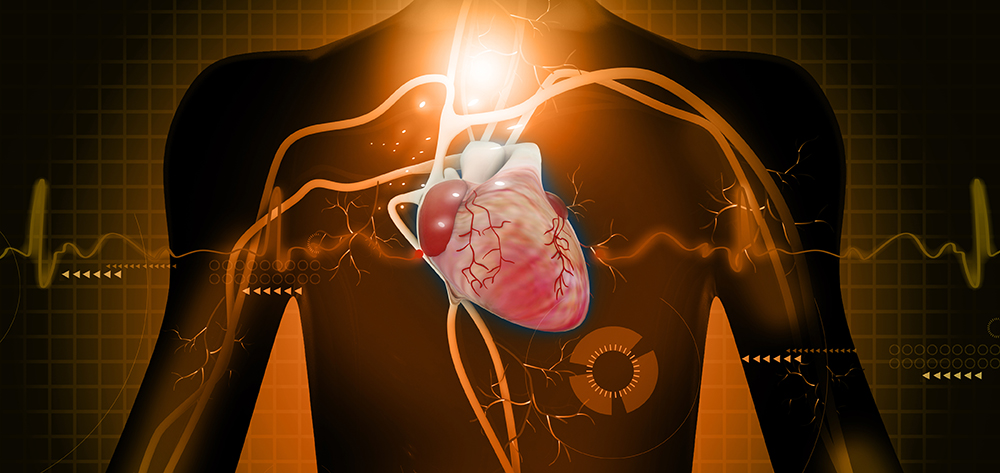
A woman’s reproductive health: Clues to future heart disease?Reproductive status, hormonal therapy, oral contraceptives, irregular menstrual cycles, and pregnancy complications may raise woman’s risk of cardiovascular disease.
Study: Faster hospital MI care has not reduced mortalityAccording to a study in the New England Journal of Medicine, mortality rate for myocardial infarction (MI) didn’t significantly change between 2005 and 2009…
According to a study in Circulation: Cardiovascular Quality and Outcomes,Patients with positive attitudes are more likely to exercise and live longer. Read more and read the study abstract.
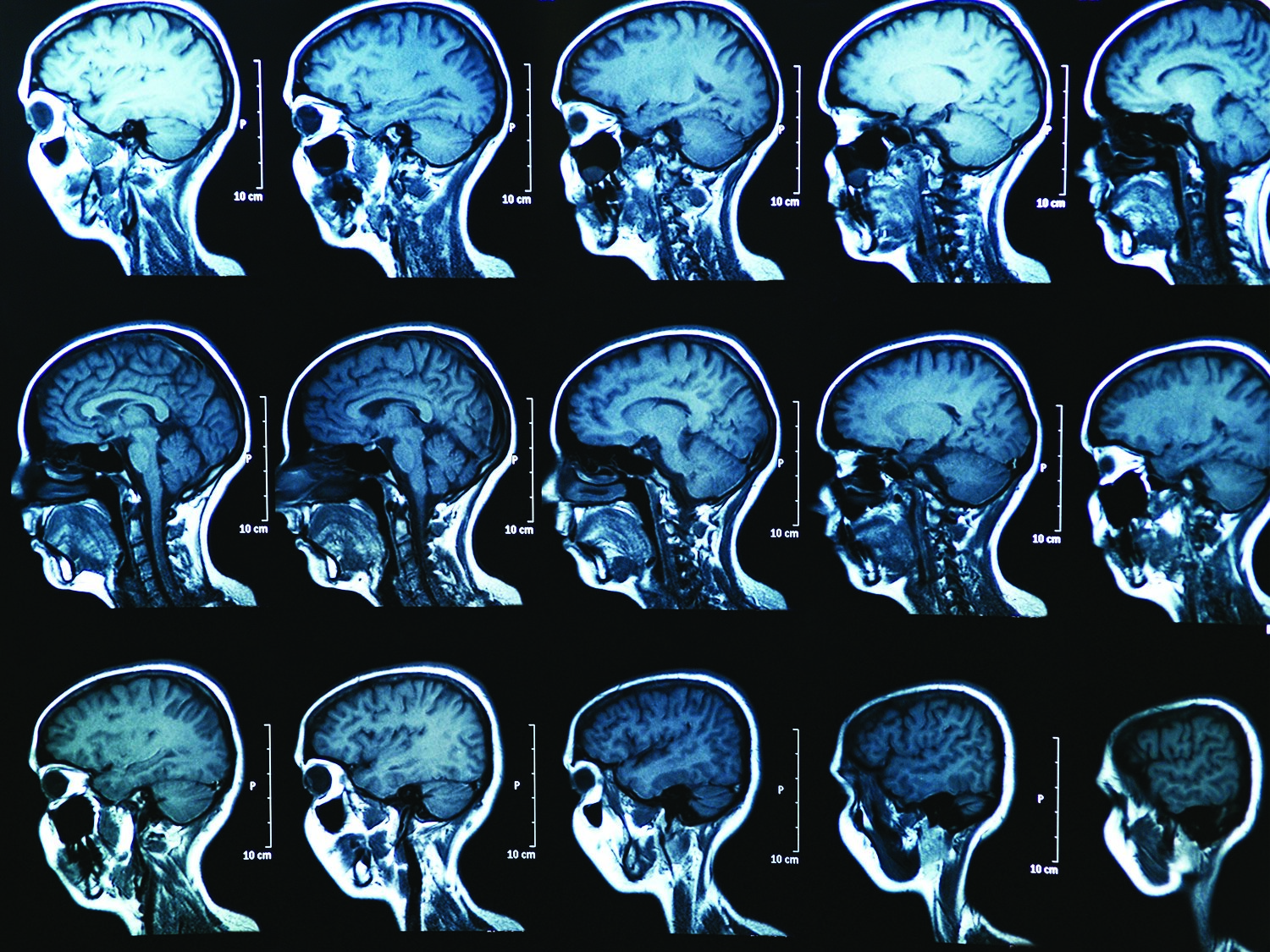
Complications after brain hemorrhage repairTo save this patient, the team must halt cerebral artery vasospasms quickly.
Transesophageal echocardiography: Getting a clearer viewThis minimally invasive approach provides an unobstructed view of nearly all cardiac structures.
Study: Flu shots reduce risk of MI in middle-aged people with narrowed arteriesA study in Heart has found another benefit of influenza vaccination: It may reduce the risk of myocardial infarction in middle-aged (50 to 64…
Children of obese mothers are at greater risk for early cardiovascular deathChildren of obese and overweight women have a higher risk of early cardiovascular death as adults, according to a study in BMJ. Access “Maternal…
Enhancing patient outcomes with sequential compression device therapyUse sequential compression devices effectively to help achieve the best possible outcomes for patients.
Polymyalgia rheumatica: A possible cause of pericardial effusionSuspect polymyalgia in patients who continue to decline after treatment for pericardial effusion.
Is your patient at risk for cerebral edema?Learn the telltale signs of brain swelling and find out which patients are most at risk.
Taking a second look at stroke in womenYou can help save lives by learning how stroke symptoms and risk factors differ in women and men.
A woman’s reproductive health: Clues to future heart disease?Reproductive status, hormonal therapy, oral contraceptives, irregular menstrual cycles, and pregnancy complications may raise woman’s risk of cardiovascular disease.
Study: Faster hospital MI care has not reduced mortalityAccording to a study in the New England Journal of Medicine, mortality rate for myocardial infarction (MI) didn’t significantly change between 2005…
According to a study in Circulation: Cardiovascular Quality and Outcomes,Patients with positive attitudes are more likely to exercise and live longer. Read more and read the study abstract.
Complications after brain hemorrhage repairTo save this patient, the team must halt cerebral artery vasospasms quickly.
Transesophageal echocardiography: Getting a clearer viewThis minimally invasive approach provides an unobstructed view of nearly all cardiac structures.
Study: Flu shots reduce risk of MI in middle-aged people with narrowed arteriesA study in Heart has found another benefit of influenza vaccination: It may reduce the risk of myocardial infarction in middle-aged (50…
Children of obese mothers are at greater risk for early cardiovascular deathChildren of obese and overweight women have a higher risk of early cardiovascular death as adults, according to a study in BMJ.…
Enhancing patient outcomes with sequential compression device therapyUse sequential compression devices effectively to help achieve the best possible outcomes for patients.
Polymyalgia rheumatica: A possible cause of pericardial effusionSuspect polymyalgia in patients who continue to decline after treatment for pericardial effusion.
Is your patient at risk for cerebral edema?Learn the telltale signs of brain swelling and find out which patients are most at risk.
Taking a second look at stroke in womenYou can help save lives by learning how stroke symptoms and risk factors differ in women and men.