Infectious Diseases
Defined as pneumonia that develops within 48 of endotracheal intubation, ventilator-associated pneumonia (VAP) is the most common hospital-acquired infection in critical care units. It…
Preventing surgical-site infections
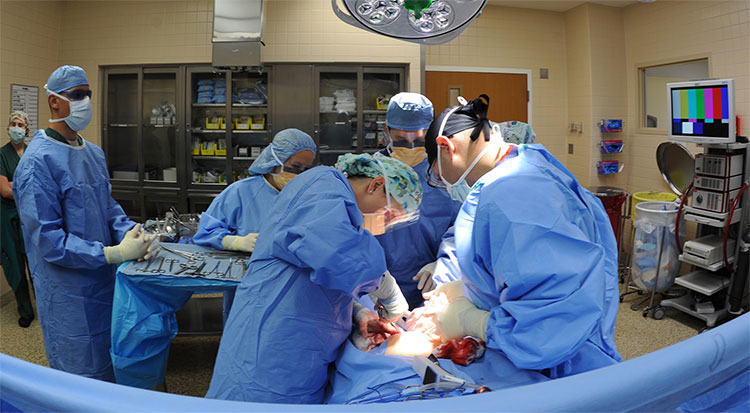
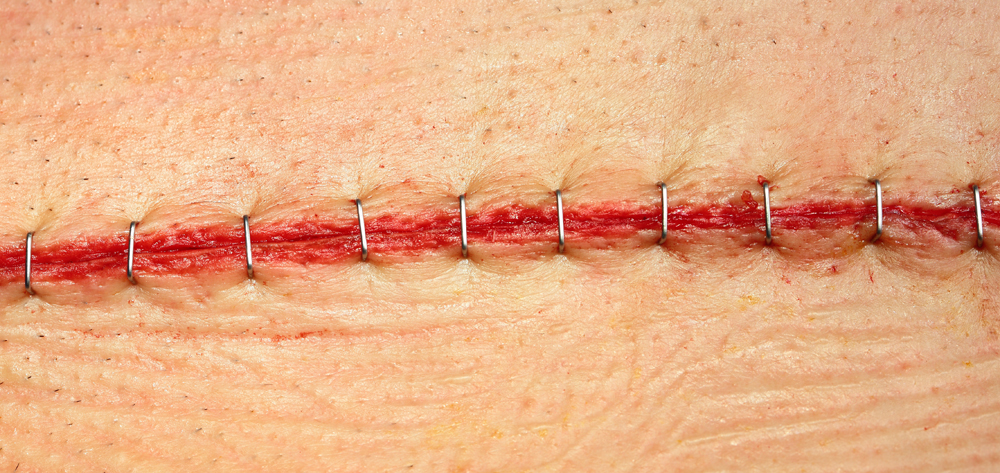
Surgical-site infections (SSIs) can lead to increased postoperative stays, higher readmission rates and healthcare costs, and poorer health outcomes. In a 2014 study,…
Neurocysticercosis: More than a headache
Neurocysticercosis, the most common parasitical infection of the central nervous system, is caused by accidental ingestion of eggs from Taenia solium (pork tapeworm). This…
Nursing practice and work environment
A mother spent 3 agonizing days in the hospital with her 10-month-old son. Too young for the measles vaccine, he had contracted measles from…
Healthcare immunization: Protecting coworkers and the community
Health care professionals are at high risk for exposure to vaccine-preventable diseases and infections. Safeguard yourself, your patients, and your family members. Make sure…
Study: Use of antibiotics to prevent complications from respiratory infections in children isn’t supported
An analysis published in The Cochrane Report says current evidence doesn’t provide strong support for using antibiotics to prevent ear infections and pneumonia in…
Study: Well-child visits may increase risk for flu-like illness
Well-child appointments for annual exams and vaccinations are associated with an increased risk of flu-like illnesses in children and family members within two weeks…
Fever-reducing drugs may help spread flu
According to a study in Proceedings of the Royal Society B, the widespread use of fever reducing medications may lead to more cases of,…
New guidelines on healthcare personnel attire
The Society for Healthcare Epidemiology of America has issued guidance for “Healthcare Personnel Attire in Non-Operating-Room Settings,” published in the Journal of Infection Control…
Exposed to patient’s body fluids? Now what?
Learn how to protect yourself by taking the right steps if you are exposed to a patient’s body fluids.
The Magnet® effect: Success in minimizing bloodstream infections
One hospital’s Magnet quest and several other factors came together to reduce the infection rate.
Is your wound-cleansing practice up to date?
Do you know how to choose-and correctlyuse-the appropriate agent to clean your patient’s wound?
Evidence-based strategies to prevent ventilator-associated pneumonia
Defined as pneumonia that develops within 48 of endotracheal intubation, ventilator-associated pneumonia (VAP) is the most common hospital-acquired infection in critical care…
Preventing surgical-site infections
Surgical-site infections (SSIs) can lead to increased postoperative stays, higher readmission rates and healthcare costs, and poorer health outcomes. In a…
Neurocysticercosis: More than a headache
Neurocysticercosis, the most common parasitical infection of the central nervous system, is caused by accidental ingestion of eggs from Taenia solium (pork…
Nursing practice and work environment
A mother spent 3 agonizing days in the hospital with her 10-month-old son. Too young for the measles vaccine, he had contracted…
Healthcare immunization: Protecting coworkers and the community
Health care professionals are at high risk for exposure to vaccine-preventable diseases and infections. Safeguard yourself, your patients, and your family members.…
Study: Use of antibiotics to prevent complications from respiratory infections in children isn’t supported
An analysis published in The Cochrane Report says current evidence doesn’t provide strong support for using antibiotics to prevent ear infections and…
Study: Well-child visits may increase risk for flu-like illness
Well-child appointments for annual exams and vaccinations are associated with an increased risk of flu-like illnesses in children and family members within…
Fever-reducing drugs may help spread flu
According to a study in Proceedings of the Royal Society B, the widespread use of fever reducing medications may lead to more…
New guidelines on healthcare personnel attire
The Society for Healthcare Epidemiology of America has issued guidance for “Healthcare Personnel Attire in Non-Operating-Room Settings,” published in the Journal of…
Exposed to patient’s body fluids? Now what?
Learn how to protect yourself by taking the right steps if you are exposed to a patient’s body fluids.
The Magnet® effect: Success in minimizing bloodstream infections
One hospital’s Magnet quest and several other factors came together to reduce the infection rate.
Is your wound-cleansing practice up to date?
Do you know how to choose-and correctlyuse-the appropriate agent to clean your patient’s wound?
Poll


NurseLine Newsletter
*By submitting your e-mail, you are opting in to receiving information from Healthcom Media and Affiliates. The details, including your email address/mobile number, may be used to keep you informed about future products and services.