Pharmacology
Biosimilars may help lower drug costs for patients. Takeaways: Biologics and biosimilars are classes of drugs used to treat many complex conditions, including inflammatory…
New grant promotes nurse and pharmacist teamwork
Nurses with visionary ideas about partnering with pharmacists to optimize medication use and improve patient outcomes may be interested in applying for a new…
Addressing substance use disorder and diversion in the healthcare environment
The prevalence of SUD among healthcare workers is estimated to be similar to that of the general population. The American Association of Nurse Anesthetists…
New OJIN topic explores substance use disorders
In September, OJIN: The Online Journal of Issues in Nursing published six new articles on the topic “Substance use disorders and related concerns: Perspectives…
Healthcare’s role in environmental sustainability
RNs are needed to guide efforts. Takeaways: The healthcare industry contributes to solid waste production, greenhouse gasses, and climate change. Healthcare workers are obligated…
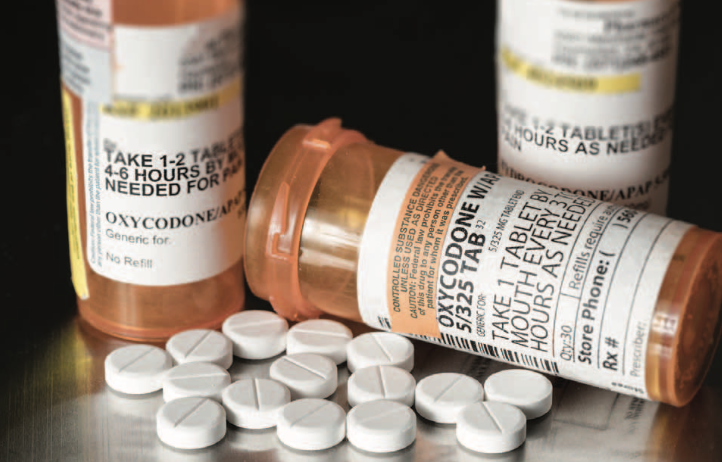
Treating pain while mindful of opioid risks
Nurses can help avoid negative effects of opioids while ensuring patient pain is managed. Takeaways: Pain management can be complicated by individual patients’ previous…
Pharmacologic management of type 2 diabetes in older adults
Advances in technology and therapeutics have led to more people with diabetes living into older age and others developing it later in life. According…
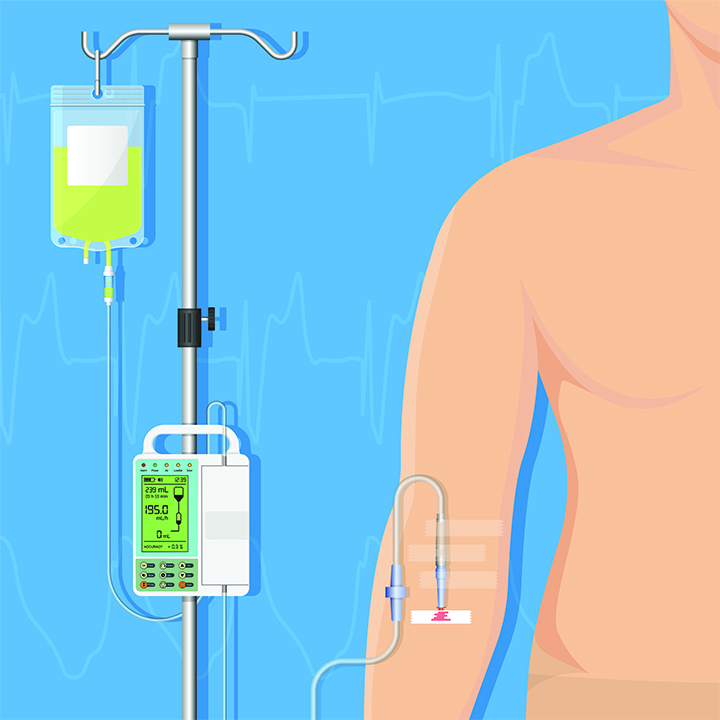
I.V. Push medication administration: Bridging education and practice through standardization
Instilling best practice requires collaboration. Best practice guidelines for I.V. push administration are easier to access than ever before, but many nurses still use…
Opioid overdose in the community
It’s your day off and you’re running errands. You stop for coffee at a local café and start chatting with friends. After about 15…
Cancer immunotherapy update
Review of immune checkpoint inhibitor and CAR T-cell therapy adverse effects and treatments. Takeaways: The U.S. Food and Drug Administration has approved several immunotherapy…
Strategies for time-sensitive medications
Timely administration of time-sensitive medications (within 30 minutes before or after the scheduled dose) can help prevent complications and prolonged hospitalizations. Some nurses feel…
Improving hypertension self-management in older adults
Nonadherence to antihypertensive medications and lifestyle modifications is a major cause of poorly controlled hypertension in older adults. Nurses can improve medication adherence in…
Biosimilars: An alternative to biologics
Biosimilars may help lower drug costs for patients. Takeaways: Biologics and biosimilars are classes of drugs used to treat many complex conditions,…
New grant promotes nurse and pharmacist teamwork
Nurses with visionary ideas about partnering with pharmacists to optimize medication use and improve patient outcomes may be interested in applying for…
Addressing substance use disorder and diversion in the healthcare environment
The prevalence of SUD among healthcare workers is estimated to be similar to that of the general population. The American Association of…
New OJIN topic explores substance use disorders
In September, OJIN: The Online Journal of Issues in Nursing published six new articles on the topic “Substance use disorders and related…
Healthcare’s role in environmental sustainability
RNs are needed to guide efforts. Takeaways: The healthcare industry contributes to solid waste production, greenhouse gasses, and climate change. Healthcare workers…
Treating pain while mindful of opioid risks
Nurses can help avoid negative effects of opioids while ensuring patient pain is managed. Takeaways: Pain management can be complicated by individual…
Pharmacologic management of type 2 diabetes in older adults
Advances in technology and therapeutics have led to more people with diabetes living into older age and others developing it later in…
I.V. Push medication administration: Bridging education and practice through standardization
Instilling best practice requires collaboration. Best practice guidelines for I.V. push administration are easier to access than ever before, but many nurses…
Opioid overdose in the community
It’s your day off and you’re running errands. You stop for coffee at a local café and start chatting with friends. After…
Cancer immunotherapy update
Review of immune checkpoint inhibitor and CAR T-cell therapy adverse effects and treatments. Takeaways: The U.S. Food and Drug Administration has approved…
Strategies for time-sensitive medications
Timely administration of time-sensitive medications (within 30 minutes before or after the scheduled dose) can help prevent complications and prolonged hospitalizations. Some…
Improving hypertension self-management in older adults
Nonadherence to antihypertensive medications and lifestyle modifications is a major cause of poorly controlled hypertension in older adults. Nurses can improve medication…
Poll


NurseLine Newsletter
*By submitting your e-mail, you are opting in to receiving information from Healthcom Media and Affiliates. The details, including your email address/mobile number, may be used to keep you informed about future products and services.