Aging
For chronically ill older adults who take multiple medications, a hospital stay can result in various medication-related changes. Nurses administer their medications to them.…
Setting your sights on aging eyes
Half of Americans older than 65 have some degree of age-related cataract formation, making cataracts the leading cause of vision impairment in the United…
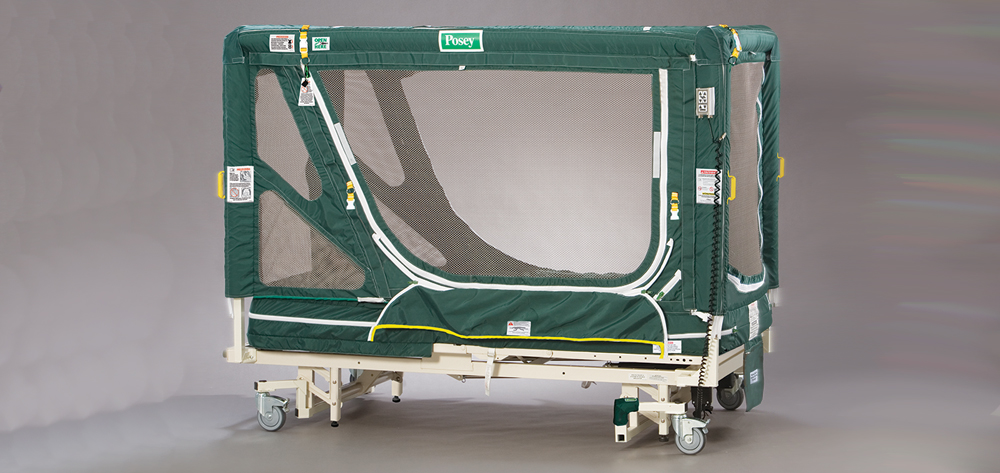
Enclosure bed: A protective and calming restraint
An enclosure bed can be used as part of a patient’s plan of care to prevent falls and provide a safer environment. This specialty…
When to refer patients for hospice care
What happens to patients once they reach the maximum benefit of traditional curative treatment? For many, hospice should be considered. A point on the…
Managing knee osteoarthritis in older adults
A degenerative joint disease, osteoarthritis (OA) is marked by cartilage erosion, osteophyte formation, joint hypertrophy, and subchondral sclerosis. A leading cause of disability in…
Update on home health care: How it’s changing
By understanding how home health care has changed, acute-care nurses can partner more effectively with home care nurses.
Normal-pressure hydrocephalus: The “wet, wobbly, and wacky” triad
An often-missed diagnosis, this condition may mimic certain types of dementia.
Study: Sedentary behavior associated with disability
A study in the Journal of Physical Activity & Health reports that sedentary behavior in adults aged 60 years and older is a risk…
Study: Vitamin E may slow decline from Alzheimer disease
“Effect of Vitamin E and memantine on functional decline in Alzheimer disease,” a study published in JAMA, reports that 2,000 units of vitamin E,…
Study: Head trauma associated with Alzheimer disease changes
A study published in Neurology has found that among patients with mild cognitive impairment, self-reported head trauma with at least momentary loss of consciousness…
How electronic health records are improving health care for elderly patients
Innovative information technology tools help ensure patients get the right care at the right time.
Study: Antihypertensives decrease risk of Alzheimer disease
Diuretics, angiotensin-1 receptor blockers, and angiotensin-converting enzyme inhibitors seemed to reduce the risk of Alzheimer disease (AD), according to a study, published in Neurology,…
Improving posthospital medication management for chronically ill older adults
For chronically ill older adults who take multiple medications, a hospital stay can result in various medication-related changes. Nurses administer their medications…
Setting your sights on aging eyes
Half of Americans older than 65 have some degree of age-related cataract formation, making cataracts the leading cause of vision impairment in…
Enclosure bed: A protective and calming restraint
An enclosure bed can be used as part of a patient’s plan of care to prevent falls and provide a safer environment.…
When to refer patients for hospice care
What happens to patients once they reach the maximum benefit of traditional curative treatment? For many, hospice should be considered. A point…
Managing knee osteoarthritis in older adults
A degenerative joint disease, osteoarthritis (OA) is marked by cartilage erosion, osteophyte formation, joint hypertrophy, and subchondral sclerosis. A leading cause of…
Update on home health care: How it’s changing
By understanding how home health care has changed, acute-care nurses can partner more effectively with home care nurses.
Normal-pressure hydrocephalus: The “wet, wobbly, and wacky” triad
An often-missed diagnosis, this condition may mimic certain types of dementia.
Study: Sedentary behavior associated with disability
A study in the Journal of Physical Activity & Health reports that sedentary behavior in adults aged 60 years and older is…
Study: Vitamin E may slow decline from Alzheimer disease
“Effect of Vitamin E and memantine on functional decline in Alzheimer disease,” a study published in JAMA, reports that 2,000 units of…
Study: Head trauma associated with Alzheimer disease changes
A study published in Neurology has found that among patients with mild cognitive impairment, self-reported head trauma with at least momentary loss…
How electronic health records are improving health care for elderly patients
Innovative information technology tools help ensure patients get the right care at the right time.
Study: Antihypertensives decrease risk of Alzheimer disease
Diuretics, angiotensin-1 receptor blockers, and angiotensin-converting enzyme inhibitors seemed to reduce the risk of Alzheimer disease (AD), according to a study, published…
Poll


NurseLine Newsletter
*By submitting your e-mail, you are opting in to receiving information from Healthcom Media and Affiliates. The details, including your email address/mobile number, may be used to keep you informed about future products and services.