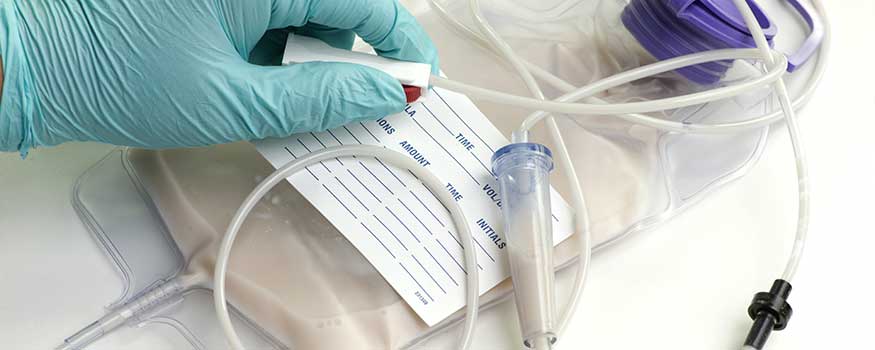
Enteral feedings deliver nourishment through a tube directly into the GI tract. They’re ordered for patients with a functioning GI tract who can’t ingest enough nutrition orally to meet their…
Even if you’re accustomed to inserting feeding tubes, the procedure can cause complications. The authors provide safety guidelines to help you make feeding-tube insertion safer.
Feeding tubes are used for various indications in patients with either acute or long-term needs. Critical care, acute care, long-term, and home care nurses provide nutrition and hydration…
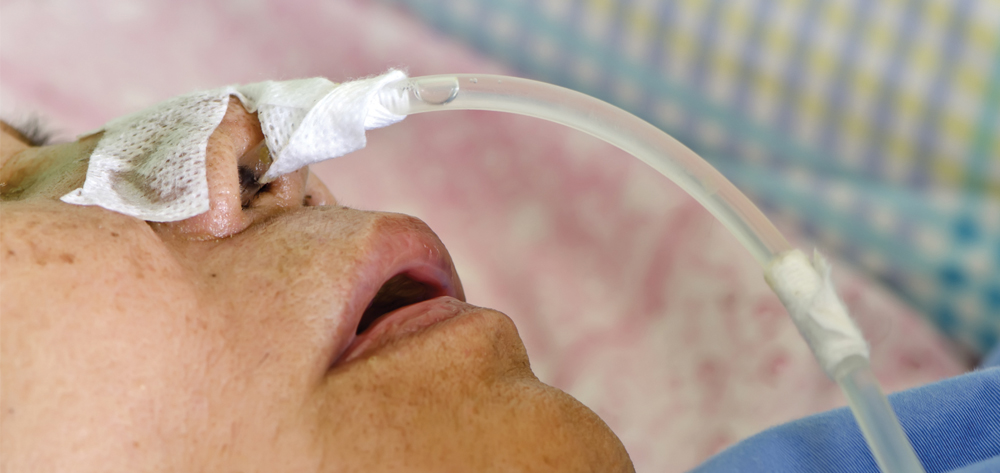
Nasogastric (NG) tubes are placed to administer enteral nutrition, medications, or fluids to children of all ages who are unable to ingest enough proper nutrition by mouth to…
Enteral feedings deliver nourishment through a tube directly into the GI tract. They’re ordered for patients with a functioning GI tract who can’t ingest enough nutrition…
Even if you’re accustomed to inserting feeding tubes, the procedure can cause complications. The authors provide safety guidelines to help you make feeding-tube insertion safer.
Feeding tubes are used for various indications in patients with either acute or long-term needs. Critical care, acute care, long-term, and home care nurses…
Nasogastric (NG) tubes are placed to administer enteral nutrition, medications, or fluids to children of all ages who are unable to ingest enough proper…
Reader Survey
Please share your feedback! We’re interested to learn more about your experience with American Nurse Journal.