A typical encounter within the healthcare system can be overwhelming and complicated, depending on the patient’s health condition. For example, imagine a patient with a cancer diagnosis, declining…
Unlike traditional vital signs, capnography yields clear, specific information about the patient’s condition and quickly alerts you to life-threatening disturbances.
In the classic report To Err is Human: Building a Safer Health System, the Institute of Medicine reported that at least 44,000 of the deaths that occur in…
Targeted real-time early warning score (TREWScore), a computer-based algorithm, correctly predicts septic shock in 85% of cases, with a lead-time of more than 24 hours according to a…
With multi-lead telemetry monitoring, a nurse detects dangerous changes in her patient’s heart rhythm, permitting quick action before an acute MI does permanent damage.
Pressure is building to develop a national electronic health record – and the nursing profession is playing a pivotal role in developing the standards needed to support it.
The ECRI Institute has announced its Top 10 Health Technology Hazards for 2015, which include alarm hazards, mix-up of IV lines, lack of data integrity, and inadequate reprocessing…
ECRI Institute’s top 10 health technology hazards for 2012 include alarm hazards, medication errors when using infusion pumps, enteral feeding misconnections, and cross-contamination from flexible endoscopes. Access the…
ECRI Institute has released its Top 10 Lists of Health Technology Hazards for 2011: radiation therapy dose errors, alarm hazards, cross-contamination from flexible endoscopes, high radiation dose of…
Emerging markets such as China, India, and Brazil are “gaining ground” in medical technology innovation and may surpass developed countries in innovative healthcare delivery over the next decade…
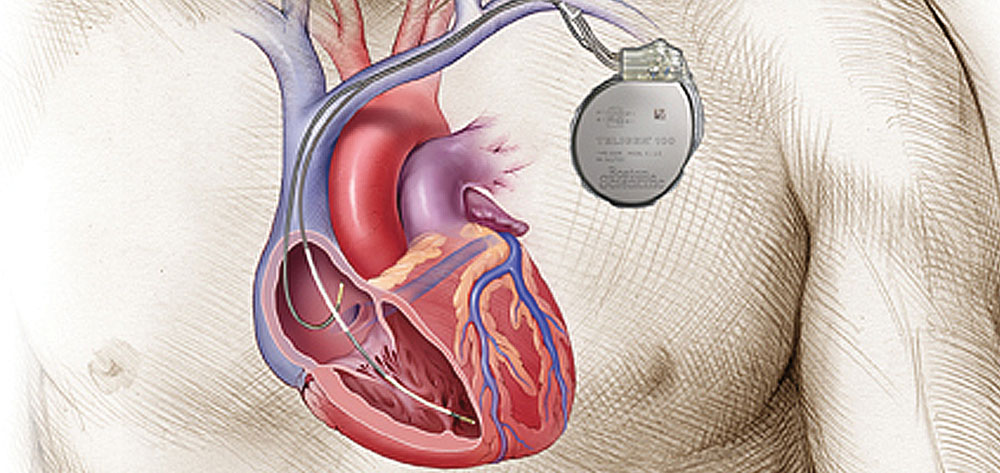
Increasing numbers of patients at risk for sudden cardiac death are receiving ICDs for primary prevention. This article explains how ICD therapy has grown more complicated.
For many nurses today, the workplace may feel like uncharted territory. New technologies, bold advances in health care, and a growing urgency to collaborate and innovate are changing…
May’s Issues in Technology Innovation includes the report “How Mobile Devices are Transforming Healthcare,” which includes a review of techniques for managing patients with chronic conditions. Read more.
In a new report, The National Toxicology Program (NTP) expressed ”serious concern” that diethylhexyl-phthalate (DEHP), a chemical used in medical devices, may affect male reproductive tract development and…
Electronic health records give healthcare providers faster, more efficient access to patient information. Experts hope to make the data less vulnerable to security breaches.
In an AMNT roundtable, executives discuss the value of engaging frontline nurses in technology decisions, explore the chief nursing officer’s role in technology selection, and exchange views on…
“When the unthinkable becomes thinkable, it moves rapidly from the realms of impossibility to probability.” Carolina Louise Zurlage, 1993 If we were living in 1900 instead of 2010,…
Low-carb diets don’t affect cardiac risk Although diets low in carbohydrates and high in fats and proteins have been popular for the last few years, some experts have…
“Unnecessary noise is the most cruel abuse of care which can be inflicted on either the sick or the well.” Florence Nightingale, Notes on Nursing (1860) In an…
When it comes to health information technology (HIT), every nurses has a stake in—and a piece of—the action. Let’s figure out how to make HIT work for, not…
A typical encounter within the healthcare system can be overwhelming and complicated, depending on the patient’s health condition. For example, imagine a patient with…
Unlike traditional vital signs, capnography yields clear, specific information about the patient’s condition and quickly alerts you to life-threatening disturbances.
Targeted real-time early warning score (TREWScore), a computer-based algorithm, correctly predicts septic shock in 85% of cases, with a lead-time of more than 24…
With multi-lead telemetry monitoring, a nurse detects dangerous changes in her patient’s heart rhythm, permitting quick action before an acute MI does permanent damage.
Pressure is building to develop a national electronic health record – and the nursing profession is playing a pivotal role in developing the standards…
ECRI Institute’s top 10 health technology hazards for 2012 include alarm hazards, medication errors when using infusion pumps, enteral feeding misconnections, and cross-contamination from…
ECRI Institute has released its Top 10 Lists of Health Technology Hazards for 2011: radiation therapy dose errors, alarm hazards, cross-contamination from flexible endoscopes,…
Emerging markets such as China, India, and Brazil are “gaining ground” in medical technology innovation and may surpass developed countries in innovative healthcare delivery…
Increasing numbers of patients at risk for sudden cardiac death are receiving ICDs for primary prevention. This article explains how ICD therapy has grown…
For many nurses today, the workplace may feel like uncharted territory. New technologies, bold advances in health care, and a growing urgency to collaborate…
May’s Issues in Technology Innovation includes the report “How Mobile Devices are Transforming Healthcare,” which includes a review of techniques for managing patients with…
In a new report, The National Toxicology Program (NTP) expressed ”serious concern” that diethylhexyl-phthalate (DEHP), a chemical used in medical devices, may affect male…
Electronic health records give healthcare providers faster, more efficient access to patient information. Experts hope to make the data less vulnerable to security breaches.
In an AMNT roundtable, executives discuss the value of engaging frontline nurses in technology decisions, explore the chief nursing officer’s role in technology selection,…
“When the unthinkable becomes thinkable, it moves rapidly from the realms of impossibility to probability.” Carolina Louise Zurlage, 1993 If we were living in…