The theory and the practice
Holistic nursing isn’t new. Florence Nightingale’s environmental theory emphasized the healing power of light, air, and cleanliness, an early recognition of the interconnectedness of environment and health. Holistic nursing has evolved alongside broader societal movements, including the rise of integrative medicine, growing interest in mindfulness and spirituality, and recognition of the importance of the social determinants of health. Today, the American Holistic Nurses Association defines holistic nursing as “all nursing practice that has healing the whole person as its goal.” The American Nurses Association (ANA) recognizes holistic nursing as a distinct nursing specialty, with its own scope and standards of practice.
Ultimately, holistic nursing serves as the foundation for trauma-informed and integrative evidence-based care approaches as healthcare systems across the globe face the challenges of rising chronic disease prevalence, mental health crises, and fragmented care. These complex issues highlight the need for approaches that address patients as whole persons rather than as a collection of symptoms.
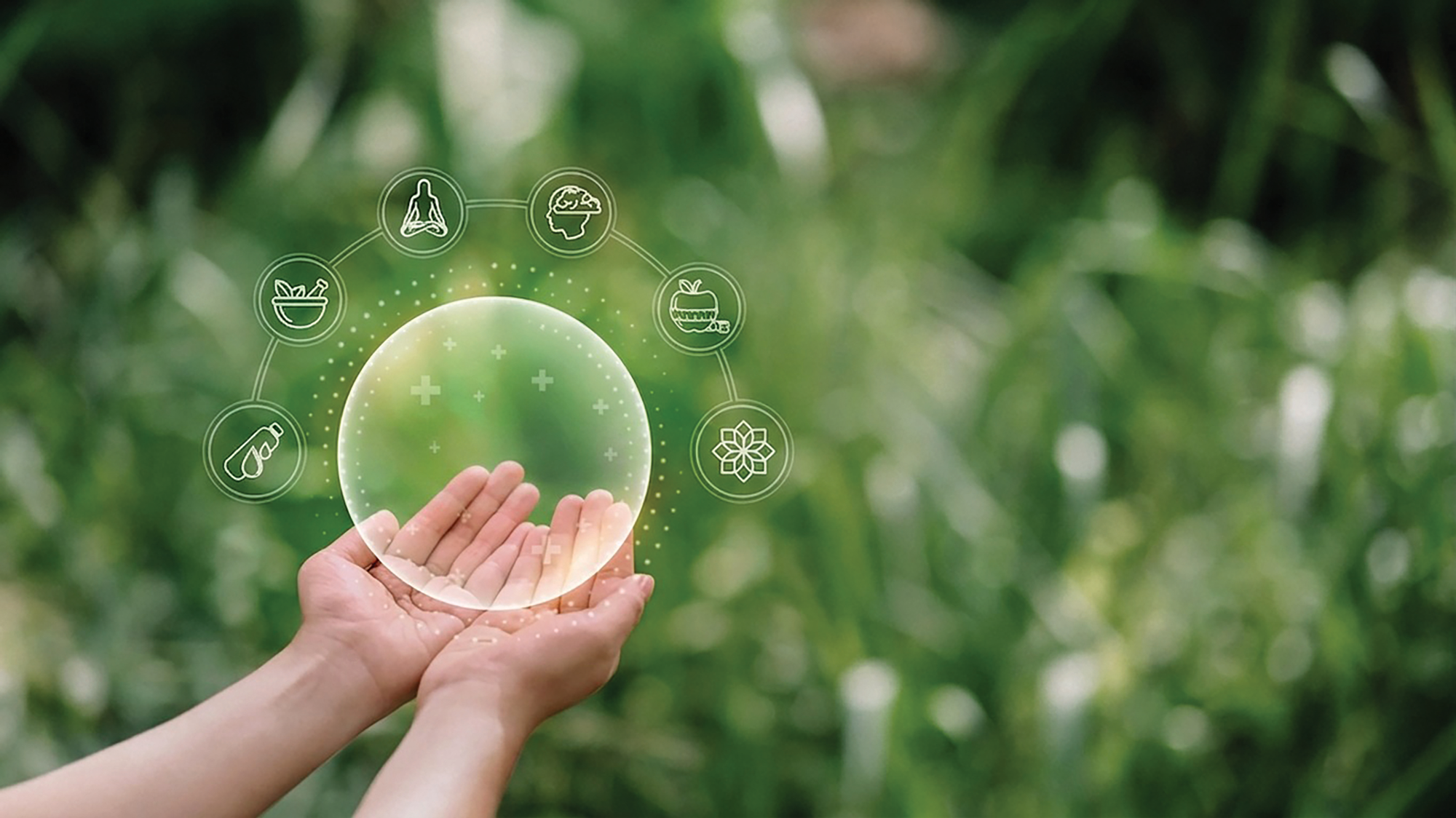
Holistic nursing theory responds to this need by providing a comprehensive framework focused on the integration of physical, emotional, social, spiritual, environmental, and all other dimensions of the patient. In addition to promoting patient-centered healing, holistic nursing bridges diverse health traditions. In cultures where traditional healing practices remain central, holistic nursing offers a link to biomedical approaches; while in communities focused on technology, the specialty counters depersonalization by re-centering care on human connection.
Historical perspective
The history of reductionism in healthcare illuminates how medicine became increasingly focused on breaking down the human body into parts, systems, cells, and mechanisms. Originating in 17th-century natural philosophy, thinkers such as Descartes emphasized mechanistic explanations of biology, prompting physicians to prioritize biological factors while leaving psychological and spiritual concerns to the clergy.
By the 19th century, medicine had fully aligned itself with the physical sciences. Researchers used experimental design to explore cause and effect, and the medical community reframed disease as a malfunction of cells, organs, or biochemical pathways, frequently overlooking emotional, social, and spiritual dimensions of health.
This powerful shift gave medicine extraordinary tools, including microscopes, laboratory tests, antibiotics, and surgical techniques. Reductionism allowed science to identify pathogens, isolate causes, and intervene with precision, but this came at a cost. Practices such as therapeutic presence, compassionate listening, and attention to the patient’s emotional, spiritual, and social world, once considered essential to recovery, were reframed as extraneous.
Florence Nightingale had warned against this narrowing. She insisted that health arises from the interplay of environment, emotion, spirit, and the body, and that reducing a person to their disease would inevitably distort care.
While biomedicine narrowed its focus, public health developed along a different trajectory. Sanitation, housing, labor conditions, crowding, and poverty were understood as central drivers of disease. Although the term “social determinants of health” wouldn’t appear until much later, public health’s foundational work recognized health as produced within social structures and living conditions, not solely within individual bodies. This parallel history shows that contextual and more holistic community‑level thinking has long existed alongside biomedical reductionism.
By the late 20th century, critiques of reductionism increased. The rise of holistic health movements (such as yoga and acupuncture), integrative medicine (such as massage therapy for post-op pain), and health promotion and prevention (such as vaccination campaigns) sought to broaden the view. Today, the challenge is integration. Reductionism remains essential for understanding disease at the molecular level, but balancing it with holistic thinking helps nurses and other healthcare providers better understand the patient’s full experience and support healing.
Nursing theory
Holistic nursing theory rests on several pillars, including interconnectedness, patient centered–whole person care, nurse self-care, healing environments, integrative care, and healing vs. curing.
Interconnectedness
Health, a balance of interconnected elements, includes physical, emotional, spiritual, environmental, social, and subatomic quantum dimensions. For example, social support networks influence women’s ability to actively participate in their own healthcare decisions during breast cancer treatment. A 2020 study by Guan and colleagues found that women who reported higher levels of social support felt engaged in their own care, resilient, and empowered. They reported thriving despite the challenges of cancer.
Social support doesn’t just reduce distress, it also can help patients flourish and remain involved in treatment. We’re interconnected beings linked by our experiences; a compassionate whole-person approach helps foster healing.
Pillar in action. Lori* has difficult-to-manage inflammatory bowel syndrome (IBS) and an undisclosed history of childhood trauma. She receives various courses of immune-altering drugs to reduce inflammation and damage; however, her pain persists.
According to Wilson, early life trauma increases the risk for IBS and other inflammatory autoimmune diseases. Many individuals who’ve experienced childhood trauma, Wilson notes, have a history of high levels of stress chemicals, which directly lead to inflammation. Over time, inflammation may trigger whatever autoimmune disease the individual is genetically predisposed to. In Lori’s case, that’s IBS. According to Ng and colleagues, those with post-traumatic stress disorder have an almost three times greater risk of developing IBS.
To supplement her medical treatment, Lori might benefit from counseling, hypnosis, probiotics, yoga, meditation, intentional self-care, stress management, trigger identification and avoidance, anti-inflammatory diet education, or social support.
Patient centered–whole person care
Patient-centered care, fundamental to holistic practice, is individualized and ethical; it respects cultural, spiritual, and personal values. Holistic nurses enter into true presence with the patient, listening and being aware of the patient’s needs. They educate patients about options, provide support and resources, and honor patients’ decisions. Receiving holistic care can help patients feel empowered and active. (See Ethics and holistic nursing.)
Ethics and holistic nursing
Holistic nursing is grounded in the ethical foundations of the nursing profession. Particularly in situations where curing isn’t possible, caring can prove profoundly meaningful. The American Nurses Association’s Code of Ethics for Nurses enumerates five principles to guide nurses’ actions: beneficence, nonmaleficence, autonomy, justice, and fidelity.
- When illness can’t be reversed, beneficence shifts toward comfort, dignity, and the relief of suffering.
- Nonmaleficence reminds the nurse to avoid interventions that may burden rather than benefit.
- Autonomy involves honoring the patient’s values, choices, and definitions of a good death or a meaningful life, even when those choices challenge the nurse’s own beliefs.
- Justice ensures equitable access to comfort, presence, and compassionate care.
- Fidelity anchors the nurse’s commitment to accompany the person through uncertainty, decline, or the end of life.
In these moments, the nurse’s role becomes less about curing and more about bearing witness, holding space, and supporting meaning-making. Holistic care recognizes that healing can occur even when the body can’t be restored. Healing can include emotional reconciliation, spiritual peace, relief of suffering, or the simple human comfort of not being alone. Care becomes the highest expression of nursing, and the nurse’s presence, compassion, and ethical clarity can serve as the most powerful interventions available.
Pillar in action. Anna, a 47-year-old woman who’s a Mennonite, receives a diagnosis of breast cancer. During her consultation, she explains to Kaz, her holistic nurse, that, because of her cultural and spiritual beliefs, she doesn’t wish to pursue chemotherapy or other aggressive treatments. Instead, she prefers natural remedies, prayer, and community support.
Kaz provides education about all available options, including the potential benefits of chemotherapy, while respecting Anna’s decision. Internally, Kaz struggles, knowing that evidence supports chemotherapy’s effectiveness, but he recognizes that patient-centered care requires honoring Anna’s autonomy.
Setting aside his own feelings, Kaz focuses on offering resources for symptom management, emotional assistance, and group support. This approach allows Anna to feel respected and empowered, while Kaz demonstrates the essence of holistic practice, balancing professional knowledge with compassion and cultural sensitivity.
Nurse self-care
According to Sullivan and colleagues, holistic nursing emphasizes self-care, reflection, and self-responsibility as essential for preventing burnout and protecting nurse and patient well-being. Burnout, a state of emotional exhaustion that sometimes leads to depersonalization and reduced feelings of accomplishment, can result from high patient loads, staffing shortages, moral distress, and inadequate organizational support. It’s linked to depression, anxiety, and increased risk of substance misuse. Sullivan and colleagues also note that burnout contributes to cardiovascular disease, sleep disturbances, increased inflammation, and weakened immune function. Burnout affects turnover, absenteeism, and quality of care, directly influencing patient outcomes.
As Sullivan and colleagues describe, self-care can help counter burnout and enhance resilience. Practicing reflection, focusing on physical and emotional health, and fostering supportive environments can help nurses mitigate burnout, safeguard their well-being, and ultimately provide better patient care. Self-care practices include journaling, meditation, physical activity, balanced nutrition, and adequate sleep. Learning to say no, delegating tasks, and maintaining work–life balance also can help reduce stress. Mentorship, debriefing sessions, and supportive workplace cultures can aid in diminishing burnout risk. In addition, continuous learning fosters growth and accomplishment, counteracting feelings of stagnation.
Pillar in action. Emily, a holistic nurse working in oncology, has a reputation for compassion, rapport, and dedication. She frequently stays late to comfort patients or family, and she covers extra shifts.
Emily begins feeling exhausted, emotionally drained, and less present with her patients. During a reflective journaling exercise, she realizes that she’s neglecting her own needs—sleep, nutrition, and time with family. Recognizing the risk of burnout, Emily commits to practicing self-care as an essential part of her nursing role. She begins setting boundaries, scheduling regular yoga and meditation sessions, and reconnecting with spiritual practices. Emily also joins a peer support group for nurses, where she shares experiences and learns strategies for resilience.
Emily regains her energy, clarity, and balance. She discovers that self-responsibility and reflection can not only protect her well-being but also enhance her ability to provide patient-centered, holistic care. Emily’s journey illustrates that thriving as a holistic nurse requires honoring one’s own health.
Healing environments
Healing environments are intentionally created to nurture physical, emotional, and spiritual well-being. Grounded in the work of Florence Nightengale, they emphasize safety, compassion, and nonjudgment, allowing patients to feel respected and supported in their growth. According to Feng and colleagues, such environments reduce stress, promote recovery, and foster trust.
Feng and colleagues point out that healing and therapeutic architectural design extends beyond efficiency, incorporating patients’ emotional and cognitive states while recognizing the role of environmental factors in care. Nurses have the power to make changes in the environment to complement healing.
Pillar in action. Roberto, a 68-year-old man with sepsis, develops ICU delirium. Sarah, his nurse, implements several environmental modifications, including reduced nighttime noise, adjusted lighting to mimic circadian rhythm, and family presence.
In 2022, Kotfis and colleagues noted delirium as the most common manifestation of brain dysfunction in ICU patients and linked it to higher mortality, longer hospital stays, and long‑term cognitive decline. Nurses, continuously at the bedside, can implement preventive strategies and detect early signs of delirium.
Other steps Sarah takes include clustering nursing care to minimize interruptions, keeping familiar objects easily visible to Roberto, assessing pain carefully, and opening the blinds during the day. She also teaches his family members about delirium and encourages them to talk to him quietly. Within days, Roberto’s agitation decreases, his orientation improves, and episodes of delirium shorten.
Integrative care
Holistic nursing embraces both biomedical interventions and evidenced-based complementary therapies, such as mindfulness, nutrition education, guided imagery, aromatherapy, counseling, therapeutic touch, acupuncture, or massage. Certifications and training are available in specific modalities, and each board of nursing has guidelines to help decide which remain within the scope of nursing in your area. The American Holistic Nurses Credentialing Corporation offers many levels of holistic nurse certification. (See Additional resources.)
Additional resources
To learn more about holistic nursing and certification, visit these websites:
- American Holistic Nurses Association AHNA.org
- American Holistic Nurses Credentialing Corporation ahncc.org
- Global Academy of Holistic Nursing gahnscholars.org
Pillar in action. James, a 47‑year‑old patient scheduled for laparoscopic cholecystectomy, experiences anxiety and elevated blood pressure during his preoperative assessment. Brad, James’ nurse, is trained in guided imagery as an evidence‑based complementary therapy. After seating James in a quiet room, Brad encourages slow, deep breathing and leads James through a visualization of walking along a peaceful beach, hearing waves, and feeling warm sunlight. A calming ocean soundscape plays in the background.
After the 5-minute intervention, James reports feeling calmer and more in control and describes reduced anxiety. When Brad retakes the patient’s blood pressure, he finds that it has decreased. Brad teaches this approach, which has no potential negative side effects, to James for future use.
Healing vs curing
Healing focuses on the whole patient in an effort to restore balance. Multidimensional, it involves nurturing emotional, mental, social, or spiritual well-being, alongside physical health. Healing remains possible even when death is inevitable.
Because curing focuses on eliminating disease, it’s concrete and measurable and aims for rapid improvement. Healing, however, may continue long after medical intervention, as the person integrates the experience, discovers strategies for improving their quality of life, and regains a sense of peace. Healing is about living well in the presence of illness and sustaining patients when a cure isn’t possible.
Pillar in action. Maria, a 42-year-old woman with advanced pancreatic cancer, receives from her provider a prognosis of 3 months to live. Although no cure is available, Maria and her hospice nurse, Nia, deliberately seek healing in her final days.
For years, Maria’s family struggled to accept her sexual orientation, leaving wounds of silence and distance. With help from Nia, Maria initiates heartfelt conversations with her family, expressing both her pain and enduring love. Her relatives listen, and tears soften old barriers. Maria finds peace, reconciles past hurts, and reclaims her dignity. In her last days, she’s surrounded by love.
Transformative care
Holistic nursing theory offers a transformative lens for clinical practice worldwide, bridging gaps between biomedical care and healing of the human being, as well as among diverse health traditions. To strengthen holistic care globally, individual nurses and the profession can integrate whole-person principles into education, practice, and policy—advocating for culturally grounded care, expanding access to integrative therapies, and collaborating with communities to address social and environmental health determinants. Nurses also can champion trauma-informed approaches, foster resilience and self-care within the workforce, and standardize healing environments and patient-centered practices through interdisciplinary collaboration.
Implementing holistic strategies not only enhances care delivery but also creates opportunities to study outcomes such as quality of life, symptom reduction, resilience, and patient empowerment. By linking practice innovations with evidence, nurses can advance holistic nursing science and improve patient outcomes across diverse populations.
*Names are fictitious.
Debra Rose Wilson is a professor and the Chair of Excellence at Austin Peay State University School of Nursing in Clarksville, Tennessee, and was the 2017 American Holistic Nurse of the Year.
American Nurse Journal. 2026; 21(7). Doi: 10.51256/ANJ0726104
References
American Holistic Nurses Association. What is holistic nursing? ahna.org/About-Us/What-is-Holistic-Nursing
American Nurses’ Association. Code of Ethics for Nurses. codeofethics.ana.org/provisions
Bozkurt-Duman C, Arici-Türk H, Erbay-Dalli Ö, Yildirim Y. The effectiveness of guided imagery on psychological outcomes and quality of life in cancer patients: A systematic review and meta-analysis. Support Care Cancer. 2025;33(11):952. doi:10.1007/s00520-025-10016-8
Feng H, Liu Y, Liu Z, Chi Z, Osmani M. Sustainable healing and therapeutic design driven well-being in hospital environment. Buildings. 2024;14(9):2731. doi:/10.3390/buildings14092731
Guan M, Han JY, Shah DV, Gustafson D. Exploring the role of social support in promoting patient participation in health care among women with breast cancer. Health Commun. 2020;36(13):1581-9. doi:10.1080/10410236.2020.1773704
Kotfis K, van Diem-Zaal I, Williams Roberson S, et al. The future of intensive care: Delirium should no longer be an issue. Crit Care. 2022;26(1):200. doi:10.1186/s13054-022-04077-y
Ng QX, Soh AYS, Loke W, Venkatanarayanan N, Lim DY, Yeo WS. Systematic review with meta-analysis: The association between post-traumatic stress disorder and irritable bowel syndrome. 2019;34(1):68-73. J Gastroenterol Hepatol. doi:10.1111/jgh.14446
Nightingale F. Notes on Nursing. 1969. (Original work published in 1860.) Garden City, NY: Dover Publications.
Sullivan V, Hughes V Wilson DR. Nursing burnout and the impact on health. Nurs Clin North Am. 2022;57(1):153-69. doi:10.1016/j.cnur.2021.11.011
Wilson DR. Psychoneuroimmunology: The science of holism. In: Dossey B, Keegan L, eds. Dossey & Keegan’s Holistic Nursing: A Handbook for Practice. 9th ed. Burlington, MA: Jones & Bartlett Learning; 2026: 209-20.