
At some point in their careers, many nurses quietly ask themselves a difficult question: What’s the point?
Asking this doesn’t signal disengagement, failure, or a lack of commitment to patients. Rather, it marks a pivotal moment of professional awareness, a moment when a nurse begins to reflect on sustainability, growth, and the kind of impact they want to have in their career.
I’ve been a nurse at my organization for 5 years and I’m actively involved in shared governance as the chair of our hospital’s Wellness, Recognition, and Retention Committee. In this role, I collaborate with unit representatives and organizational leaders on initiatives such as Certification Day and Nurses Week to support engagement, connection, and nurse retention. My committee had just completed our November holiday initiative, which involved pairing units that don’t typically collaborate and inviting them to exchange a small token of appreciation—such as a card or a box of chocolates—during Thanksgiving week. The feedback was largely positive. Several nurses shared how much they enjoyed receiving coffee gift baskets and learning more about different units and nursing roles across the hospital.
One comment, however, stood out. One of our most involved unit representatives wrote, “We sent the Thanksgiving card and cookies to the assigned clinic, and we also received something in return, but there was no engagement on a personal level—so what’s the point?”
What struck me wasn’t just the comment itself, but who it came from: one of our most committed and consistently positive voices in the department. It reflected a deeper fatigue, one familiar to many nurses who continue to show up, contribute, and care deeply, even when the impact of that effort feels unmatched.
My response to her is one I wish to share more broadly with my nursing colleagues.
The point is that small acts of kindness matter, but so do the structures that allow those acts to grow into something larger. This is the work of shared governance: giving nurses a voice, a forum, and a way to shape the culture in which they practice. These moments, however modest they seem, are how trust is built, how silos soften, and how professional communities begin to form. From the time I began my career as a clinical research nurse resident, I learned that nursing impact isn’t limited to the bedside—it also lives in the questions we ask, the evidence we generate, and the systems we help improve.
Early in my residency, a mentor told me that many nurses begin to feel disengaged around their fifth to seventh year. At the time, I dismissed the idea; 5 years didn’t seem very long. Now, I understand exactly what she meant. I’ve caught myself asking, “What’s the point?” while drafting shared governance meeting agendas or contributing to evidence-based practice projects. Even when I believe in the work, the effort can feel invisible, slow, and exhausting. And some days, I’m tired, too.
But I keep going.
I keep going because asking “What’s the point?” doesn’t mean I care less, it means I care enough to want my work to matter. It means I’m choosing to evolve, rather than withdraw. To redefine impact, rather than abandon it. For nurses at this crossroads, the question isn’t a weakness; it’s an invitation. An invitation to grow, to lead, and to shape the profession in ways that allow us—and those who come after us—to remain engaged, supported, and proud of the work we do, both at the bedside and beyond.
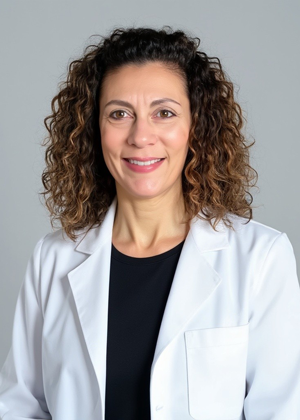
Karina Bridges, BSN, RN, CPAN is a Senior Clinical Research Nurse at the National Institute of Health in Bethesda, MD.