
Know the signs and symptoms, risk factors, and treatment options.
- By 2045, breast cancer diagnoses in the United States are expected to increase by 25.4% and mortality by 47.7%
- A thorough understanding of breast cancer signs and symptoms, risk factors, and treatment options can help nurses advocate and care for patients.
- Treatment options include surgery, radiation, chemotherapy, hormone therapy, targeted-drug therapy, and immunotherapy.
Breast cancer: Personalized prevention for women
Cancer treatment delays and survival outcomes
Learning Objectives
- Recognize breast cancer risk factors and warning signs to support early detection.
- Apply essential nursing interventions in patient education, community outreach, and care support.
Reflective Learning Question 1:
How can recognizing breast cancer risk factors and warning signs in my patients improve early detection and outcomes?
Reflective Learning Question 2:
What strategies can I use to enhance patient education, outreach, and support throughout the breast cancer care continuum?
No relevant financial relationships were identified for any individuals with the ability to control content of the NCPD activity.
Expiration: 10/1/29
1.5 ANCC contact hours
BREAST CANCER, the second most common cause of cancer throughout the world, according to the Global Cancer Observatory, is the fourth leading cause of cancer death. In the United States, breast cancer is the most prevalent cause of cancer and the second leading cause of cancer death for women. The International Agency for Research on Cancer estimates that by 2045 diagnoses of breast cancer in the United States will increase by 25.4%, with a projected 47.7% mortality increase.
An understanding of breast cancer—including signs and symptoms, risk factors, diagnostic tests, and treatment options—can help nurses support and care for patients through advocacy, education, and during treatment.
Signs and symptoms
Breast cancer occurs through the uncontrolled division of abnormal breast tissue cells. The most common sign of breast cancer is a painless mass or lump in the breast. Breast cancer frequently is found in the upper outer quadrant of the breast. An abnormal swelling of the lymph nodes under the arm or above the clavicle also may occur. Other signs and symptoms include redness or scaliness of the breast or nipple, inverted nipples, nipple discharge, breast dimpling, and breast pain.
If abnormal cells stay within the milk glands or ducts leading to the nipple, the cancer is considered ductal carcinoma in situ (DCIS). If abnormal cells move outside of this area, it becomes an invasive disease. DCIS can occasionally become invasive so it requires close monitoring. According to the American Cancer Society (ACS), invasive disease has four main types: hormone receptor (HR)-positive/human epidermal growth factor receptor 2 (HER2)-negative (70%), HR-positive/HER2-positive (9%), HR-negative/HER2-negative (10%), and HR-negative/HER2-positive (4%).
Risk factors and incidence
According to ACS, a woman’s lifetime risk of breast cancer is 1 in 8; the risk of dying from breast cancer is 1 in 43. Increased age, race/ethnicity, family history, medical history, reproductive history, and use of exogenous hormones, such as birth control and hormone replacement therapy, all contribute to the increased risk of breast cancer. For example, according to the ACS, White women are a little more likely to be diagnosed with breast cancer while Black women are more likely to die from the disease, regardless of stage. Black, American Indian, and Alaskan Native women are more likely to die from breast cancer than other ethnicities because they’re diagnosed at later stages. Asian and Pacific Islander women are least likely of all ethnicities to die from breast cancer.
As women age, breast cancer incidence and mortality may increase. For example, according to ACS, in 2024 women in their 60s had the highest incidence of invasive breast cancer and women 80 years and older had the highest mortality rate. ACS notes that during 2012–2021, invasive breast cancer incidence increased by 1.4% per year among women younger than 50 compared with 0.7% per year among women 50 and older.
Risk factors for HR-positive breast cancer, according to ACS, include nulliparity, fewer pregnancies, older age with a first pregnancy, increased body weight, physical inactivity, and increased alcohol consumption. According to ACS, several established reproductive and lifestyle risk factors for hormone receptor–positive breast cancer—including delayed childbearing, obesity after menopause, and alcohol consumption—have been proposed as contributors to the increasing incidence of this breast cancer subtype.
ACS notes that most women diagnosed with breast cancer have no identified risk factors. However, women with a personal or family history of breast cancer, a personal history of DCIS or other high-risk breast lesions, those who’ve had radiation to the chest in high doses, and women who have the BRCA 1 or BRCA 2 gene mutation are at increased risk for invasive breast cancer. Additionally, an estimated 30% of breast cancer diagnoses may be related to modifiable risk factors, such as weight, sedentary lifestyle, and alcohol consumption.
Diagnosis and staging
Most commonly, according to ACS, breast cancer detection occurs through mammography and before the onset of symptoms. However, for those who don’t have mammography screenings due to age or barriers to care, detection might come after a self-detected symptom, such as a lump or other change in the breast. ACS notes that about 67% of women 40 years and older have had a breast cancer screening in the past 2 years.
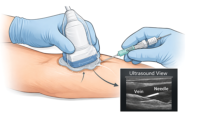
After detection of a mass through mammography, the provider will order an ultrasound. If the mass is still seen on ultrasound, the provider will order a fine-needle, core needle, or surgical biopsy. The size and location of the mass dictate the type of biopsy.
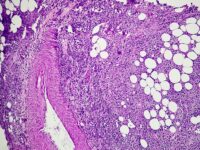
The National Breast Cancer Foundation states that if the provider suspects a fluid-filled cyst and it’s easily accessible, they may perform a fine-needle aspiration to collect fluid or tissue for biopsy. A core needle biopsy, usually done under local anesthesia, may be guided by ultrasound to an area of suspicious breast tissue. A surgeon typically performs a surgical biopsy (lumpectomy), under local or general anesthesia, when there’s a definitive, solid mass found on mammography and/or ultrasound. The surgeon makes a 1- to 2-inch incision in the breast at the location of the mass. They remove the mass, as well as a small amount of normal-appearing tissue around the mass. The biopsy helps to determine if all cancer has been removed from the area with a clean margin of tissue surrounding the mass. If the breast tissue appears red and the provider suspects inflammatory breast cancer, the surgeon may perform a skin-punch biopsy.
Staging
Most clinical settings apply the American Joint Committee on Cancer staging system, which uses anatomic and biological information to stage cancer. Anatomic stage TNM classification includes the size of the tumor (T) and whether cancer cells have spread to regional lymph nodes (N) or have metastasized (M) to distant lymph nodes or organs.
The biological stage notes whether the tumor is positive for estrogen or progesterone and HER2 positive or negative. Triple-negative breast cancer (TNBC) lacks estrogen, progesterone, and HER2. TNBC tumors, the most difficult to treat, have a high mortality rate.
Treatment*
In collaboration with patients, providers determine breast cancer treatment based on staging and individual needs. For example, an otherwise healthy 30-year-old patient with a breast tumor that hasn’t spread to the lymph nodes will likely have different treatment needs than an 80-year-old patient with multiple comorbidities and a breast tumor that’s spread to multiple lymph nodes or other organs. Treatment options include surgery, radiation therapy, and drug therapy (including hormone therapy and targeted drug therapy). (See Treatment options.)
Treatment options
In consultation with the patient and based on current guidelines, providers select treatment options most suitable for the specific breast cancer diagnosis and the unique needs of the patient. Common breast cancer treatments are listed below.
Surgery
- Complete or partial mastectomy (lumpectomy) with or without lymph node removal (sentinel node biopsy/axillary lymph node dissection)
Radiation
- Internal radiation therapy (brachytherapy) or external beam radiation therapy
Chemotherapy
- Early stage breast cancer
- 5-fluorouracil, carboplatin
- Capecitabine
- Cyclophosphamide
- Docetaxel, paclitaxel
- Doxorubicin
Advanced breast cancer
- Antibody-drug conjugates––ado-trastuzumab emtansine, fam-trastuzumab deruxtecan, sacituzumab govitecan, datopotamab deruxtecan
- Cisplatin
- Cyclophosphamide
- Doxorubicin, liposomal doxorubicin, epirubicin
- Eribulin
- Ixabepilone
- Paclitaxel, docetaxel, albumin-bound paclitaxel
- Vinorelbine, capecitabine, gemcitabine
Hormone (endocrine) therapy
- Aromatase inhibitors (anastrozole, exemestane, letrozole)
- Selective estrogen receptor degraders (elacestrant, fulvestrant, imlunestrant, vepdegestrant)
- Selective estrogen receptor modulators (tamoxifen)
Targeted drug therapy
- AKT inhibitors (capivasertib)
- Antibody-drug conjugates (ado-trastuzumab emtansine, datopotamab deruxtecan, fam-trastuzumab deruxtecan, sacituzumab govitecan)
- CDK 4/6 inhibitors (abemaciclib, palbociclib, ribociclib)
- Kinase inhibitors (lapatinib, neratinib tucatinib)
- Monoclonal antibodies (margetuximab, pertuzumab, trastuzumab, trastuzumab/pertuzumab/hyaluronidase injection,)
- mTor inhibitors (everolimus)
- PI3K inhibitors (alpelisib, inavolisib)
- PARP inhibitors (olaparib, talazoparib)
Immunotherapy
- Immune checkpoint inhibitors (pembrolizumab)
Surgery
Surgical treatment ranges from complete removal of the breast (mastectomy) to removal of only cancerous tissue along with some normal tissue to ensure a clear margin (partial mastectomy or lumpectomy, also called breast-conserving surgery).
A complete mastectomy usually includes the removal of some axillary lymph nodes to determine whether the cancer has spread beyond the breast. A surgeon will take a sentinel lymph node biopsy and test it for cancer. Depending on the number of lymph nodes that test positive, the provider may suggest further treatment, such as chemotherapy or radiation.
Lymph node removal may result in lymphedema (swelling) in the affected arm, which can last for several years after treatment. According to ACS, compression sleeves or physical therapy can help prevent or minimize lymphedema.
ACS notes that partial mastectomy or lumpectomy is reserved for patients who don’t have a high tumor-to-breast ratio, multiple tumors within the same breast, or inflammatory or locally advanced cancers.
Radiation therapy
Radiation therapy is commonly used after mastectomy or lumpectomy to kill any remaining cancer cells in the surgical or axillary area. It helps prevent local recurrence and spread of the microscopic cells to other areas.
Depending on tumor stage, type, and location, providers typically choose from two radiation therapy options: external and internal. As described by Mutter and colleagues, external radiation uses a machine outside of the body to focus the radiation beam on affected areas. ACS notes that internal radiation therapy (brachytherapy) uses a catheter or other device to place the radiation source inside the breast tissue.
Drug therapies
Systemic drug therapies (oral or intravenous) disperse through the bloodstream to kill cancer cells throughout the body. These therapies include chemotherapy, hormone (endocrine) therapy, targeted drug therapy, and immunotherapy. The WHO notes that breast cancer treatments are more effective and better tolerated when cancer is detected early, treatment is started promptly, and the full course of therapy is completed.
Chemotherapy. Chemotherapy attacks all cells that divide quickly, not just cancer cells. ACS lists common side effects as nausea, vomiting, diarrhea, hair loss, neuropathy, bone pain, oral sores, poor appetite, weight loss or gain, fatigue, and hot flashes. More severe side effects include bone marrow suppression, which can increase the risk of infection and potential bleeding or severe bruising.
According to ACS, in addition to individual patient needs, providers select chemotherapy based on tumor size, number of nodes involved, metastasis, HR and HER2 status, and whether the patient is pregnant.
ACS notes that common chemotherapeutic medications used for early stage breast cancer include doxorubicin, cyclophosphamide, paclitaxel, docetaxel, 5-fluorouracil, carboplatin, and capecitabine. Chemotherapeutic medications used for advanced stage breast cancer include docetaxel, paclitaxel, albumin-bound paclitaxel, ixabepilone, eribulin, doxorubicin, liposomal doxorubicin, epirubicin, cisplatin, vinorelbine, capecitabine, gemcitabine, cyclophosphamide, adotrastuzumab emtansine, famtrastuzumab deruxtecan, sacituzumab govitecan, and datopotamab deruxtecan.
Because DCIS is considered noninvasive or pre-invasive, it’s usually treated with a lumpectomy or partial mastectomy, followed by radiation therapy. If the cells are HR-positive, patients receive endocrine therapy for 5 years. Menopausal status determines the medication used.
Chemotherapy may be administered before surgery (neoadjuvant) to shrink the tumor, increase the likelihood of breast-conserving surgery, treat micrometastatic disease early, and assess response to therapy or after surgery (adjuvant) to eliminate remaining microscopic cancer cells and reduce the risk of recurrence. Selection of chemo-therapy regimens should be guided by the most current evidence-based clinical practice guidelines and individualized to the patient’s disease characteristics and treatment goals.
For selected patients with early stage HR-positive, HER2-negative breast cancer, clinicians may order a multi-gene assay—such as Oncotype DX, MammaPrint, or Prosigna—to estimate the risk of distant recurrence. Depending on the assay and the patient’s clinical characteristics, the results also may help guide decisions about whether adjuvant chemotherapy, in addition to endocrine therapy, is likely to provide benefit. Treatment decisions should be individualized based on tumor characteristics, patient factors, and current clinical practice guidelines.
Hormone therapy
Hormone (endocrine) therapy blocks estrogen and progesterone from attaching to protein receptors on cancer cells, effectively decreasing or preventing cancer growth. As described by ACS, hormone therapy options include selective estrogen receptor modulators (SERMs), selective estrogen receptor degraders (SERDs), and aromatase inhibitors (AIs).
SERMs, such as tamoxifen, block estrogen in breast cancer cells but allow estrogen effects in other cells. According to ACS, these oral medications, used primarily in premenopausal patients, are prescribed daily for 5 to 10 years. SERDs, such as fulvestrant, completely degrade estrogen receptors throughout the body and are commonly used after other hormone therapies have failed.
AIs, such as letrozole and anastrozole, block aromatase enzymes in fat cells from making estrogen. ACS notes that these oral medications, primarily prescribed to postmenopausal patients, are taken daily for 5 years. Some patients may need to take these medications for 10 years, but that will depend on their history and risk for recurrence.
Targeted drug therapy
As described by ACS, targeted drug therapy slows or stops cancer from growing and spreading by targeting proteins on those cancer cells. Some targeted therapies, such as monoclonal antibodies, may boost the patient’s immune system. Providers select targeted therapies based on HER2 and HR status, as well as whether the patient has a BRCA gene mutation.
HER2-positive breast cancers. Monoclonal antibodies, antibody-drug conjugates, and kinase inhibitors are common drug classes used to treat HER2-positive breast cancers.
Common monoclonal antibody medications include trastuzumab, pertuzumab, trastuzumab and pertuzumab with hyaluronidase, and margetuximab. According to ACS, all are given intravenously except trastuzumab and pertuzumab with hyaluronidase, which are administered subcutaneously.
Antibody-drug conjugate medications (monoclonal antibodies combined with chemotherapy) target malignant cells so the chemotherapy can focus on killing the cancer cells. ACS notes that common antibody-drug conjugate medications include adotrastuzumab emtansine and famtrastuzumab deruxtecan.
Kinase inhibitors help block the proteins that help cancer cells grow. Common kinase inhibitors include lapatinib, neratinib, and tucatinib. According to ACS, they may be given in combination with other medications used to treat breast cancer, such as chemotherapy.
HR-positive breast cancers. ACS notes that CDK 4/6 inhibitors, mTOR inhibitors, PI3K inhibitors, AKT inhibitors, and antibody-drug conjugates treat HR-positive breast cancers. CDK 4/6 inhibitors block cyclin-dependent kinases that help cells grow more quickly. Common medications in this class include palbociclib, ribociclib, and abemaciclib.
mTOR inhibitors block mTOR proteins, which promote rapid cell division. Everolimus is the primary medication in this class.
PI3K inhibitors block PI3K proteins that help cells grow. Common medications in this class include alpelisib and inavolisib. AKT inhibitors block the AKT protein that helps cells grow. Capivasertib is the main medication in this class. Antibody-drug conjugates that treat HR-positive breast cancer include sacituzumab govitecan and datopotamab deruxtecan. They’re administered intravenously.
BRCA gene mutations. PARP inhibitors, as described by ACS, are effective in treating BRCA gene mutations, and antibody-drug conjugates will treat TNBC. Olaparib and talazoparib block PARP proteins, which normally help repair damaged cells. Cells with BRCA gene mutations already have trouble repairing damage to the DNA, so when PARP proteins are also blocked, cell death occurs.
Immunotherapy
Immunotherapy drugs work on specific proteins in the immune system to enhance its ability to find and destroy cancer cells. Some immunotherapy drugs, such as monoclonal antibodies, also are considered targeted drug therapies.
For example, immune checkpoint inhibitors work to turn off certain proteins on immune system cells so that they can mount an effective response against breast cancer cells. Pembrolizumab, a PD-1 inhibitor, targets PD-1 proteins on T cells. These proteins normally prevent the immune system from attacking cells, but the PD-1 inhibitor allows the immune system to attack and destroy the cancer cells. Pembrolizumab is administered via I.V. infusion every 3 to 6 weeks.
Patients may experience infusion or autoimmune reactions. ACS notes that infusion reactions, similar to allergic reactions, include rash, fever, chills, wheezing, flushing of face, itching, dizziness, and difficulty breathing. Autoimmune reactions can be life-threatening as the immune system begins attacking the body.
Schmid and colleagues found that use of pembrolizumab with neoadjuvant chemotherapy in early stage TNBC resulted in a significant increase in pathologic complete response (no evidence of invasive cancer in the breast or lymph nodes) compared to a placebo with neoadjuvant chemotherapy.
Nursing implications
Nursing care for and support of patients with breast cancer include patient education related to risk factors, signs and symptoms, diagnostic methods and staging, and treatment options and side effects. Nurses also can provide patients with information related to resources and local and national support groups.
Nurses’ role in community outreach via local organizations, schools, and places of worship can help improve breast cancer screening rates. For example, some women may not know when to start getting mammograms. Some health departments offer free mammograms and cervical screenings for those without insurance.
Although the American Cancer Society no longer recommends routine self-breast exams for women at average risk, it encourages women to be familiar with the normal appearance and feel of their breasts and to report any new or concerning changes promptly. Similarly, the WHO emphasizes that early diagnosis begins with awareness of the signs and symptoms of breast cancer and seeking timely medical evaluation for any abnormal findings.
Nursing opportunity
Nursing care of patients with breast cancer involves understanding risk factors, diagnosis and tumor staging, and treatment options. All nurses have an opportunity to provide patients with the most up-to-date information available to ensure they obtain appropriate screenings, understand risk factors, and receive evidence-based care.
*Treatment recommendations evolve over time; always consult current clinical practice guidelines when selecting therapy.
Christy Savell is an assistant professor at Mississippi State University School of Nursing.
American Nurse Journal. 2026; 21(10). Doi: 10.51256/ANJ102606
References
American Cancer Society. Breast cancer facts & figures: 2022-2024. 2022. cancer.org/content/dam/cancer-org/research/cancer-facts-and-statistics/breast-cancer-facts-and-figures/2022-2024-breast-cancer-fact-figures-acs.pdf
American Cancer Society. Breast cancer facts & figures: 2024-2025. 2024. cancer.org/content/dam/cancer-org/research/cancer-facts-and-statistics/breast-cancer-facts-and-figures/2024/breast-cancer-facts-and-figures-2024.pdf
American Cancer Society. Breast cancer gene expression tests. July 23, 2026. cancer.org/cancer/types/breast-cancer/understanding-a-breast-cancer-diagnosis/breast-cancer-gene-expression.html
American Cancer Society. Breast cancer risk factors you can change. June 11, 2026. cancer.org/cancer/types/breast-cancer/risk-and-prevention/lifestyle-related-breast-cancer-risk-factors.html
American Cancer Society. Chemotherapy for breast cancer. July 9, 2026. cancer.org/cancer/types/breast-cancer/treatment/chemotherapy-for-breast-cancer.html
American Cancer Society. Hormone therapy for breast cancer. July 9, 2026. cancer.org/cancer/types/breast-cancer/treatment/hormone-therapy-for-breast-cancer.html
American Cancer Society. Immunotherapy for breast cancer. July 9, 2026. cancer.org/cancer/types/breast-cancer/treatment/immunotherapy.html
American Cancer Society. Key statistics for breast cancer. June 24, 2026 cancer.org/cancer/types/breast-cancer/key-statistics.html
American Cancer Society. Radiation for Breast Cancer. May 20, 2026. cancer.org/cancer/types/breast-cancer/treatment/radiation-for-breast-cancer.html
American Cancer Society. Targeted drug therapy for breast cancer. July 9, 2026 cancer.org/cancer/types/breast-cancer/treatment/targeted-therapy-for-breast-cancer.html
American Cancer Society. Treatment of ductal carcinoma in situ (DCIS). July 9, 2026. cancer.org/cancer/types/breast-cancer/treatment/treatment-of-breast-cancer-by-stage/treatment-of-ductal-carcinoma-in-situ-dcis.html
Global Cancer Observatory. Breast. 2024. gco.iarc.who.int/media/globocan/factsheets/cancers/20-breast-fact-sheet.pdf
Global Cancer Observatory. United States of America. 2024. gco.iarc.who.int/media/globocan/factsheets/populations/840-united-states-of-america-fact-sheet.pdf
International Agency for Research on Cancer. Estimated number of deaths from 2024 to 2050, Mortality, Both sexes, age [0-85+]. 2024. gco.iarc.who.int/tomorrow/en/dataviz/tables?cancers=20&populations=905&sexes=0&types=1
International Agency for Research on Cancer. Estimated number of new cases from 2024 to 2050, Incidence, Both sexes, age [0-85+].2024. https://gco.iarc.who.int/tomorrow/en/dataviz/tables?cancers=20&populations=905&sexes=0&types=0
Mutter RW, Choi JI, Jimenez RB, et al. Proton therapy for breast cancer: A consensus statement from the particle therapy cooperative group breast cancer subcommittee. Int J Radiat Oncol Biol Phys. 2021;111(2): 337-59. doi:10.1016/j.ijrobp.2021.05.110
National Breast Cancer Foundation. Breast Biopsy. June 11, 2026. nationalbreastcancer.org/breast-cancer-biopsy/
National Comprehensive Cancer Network. NCCN Guidelines Version 6.2026. Invasive breast cancer. nccn.org/guidelines/guidelines-detail?category=1&id=1419
Schmid P, Cortes J, Pusztai L, et al. Pembrolizumab for early triple-negative breast cancer. New Engl J Med. 2020;382(9):810-21. doi:10.1056/NEJMoa1910549
World Health Organization. Breast cancer. July 3, 2026. who.int/news-room/fact-sheets/detail/breast-cancer
Key words: breast cancer, risk factors, staging, diagnosis, treatment, screening