
Civic engagement is a professional responsibility—and a collective force.

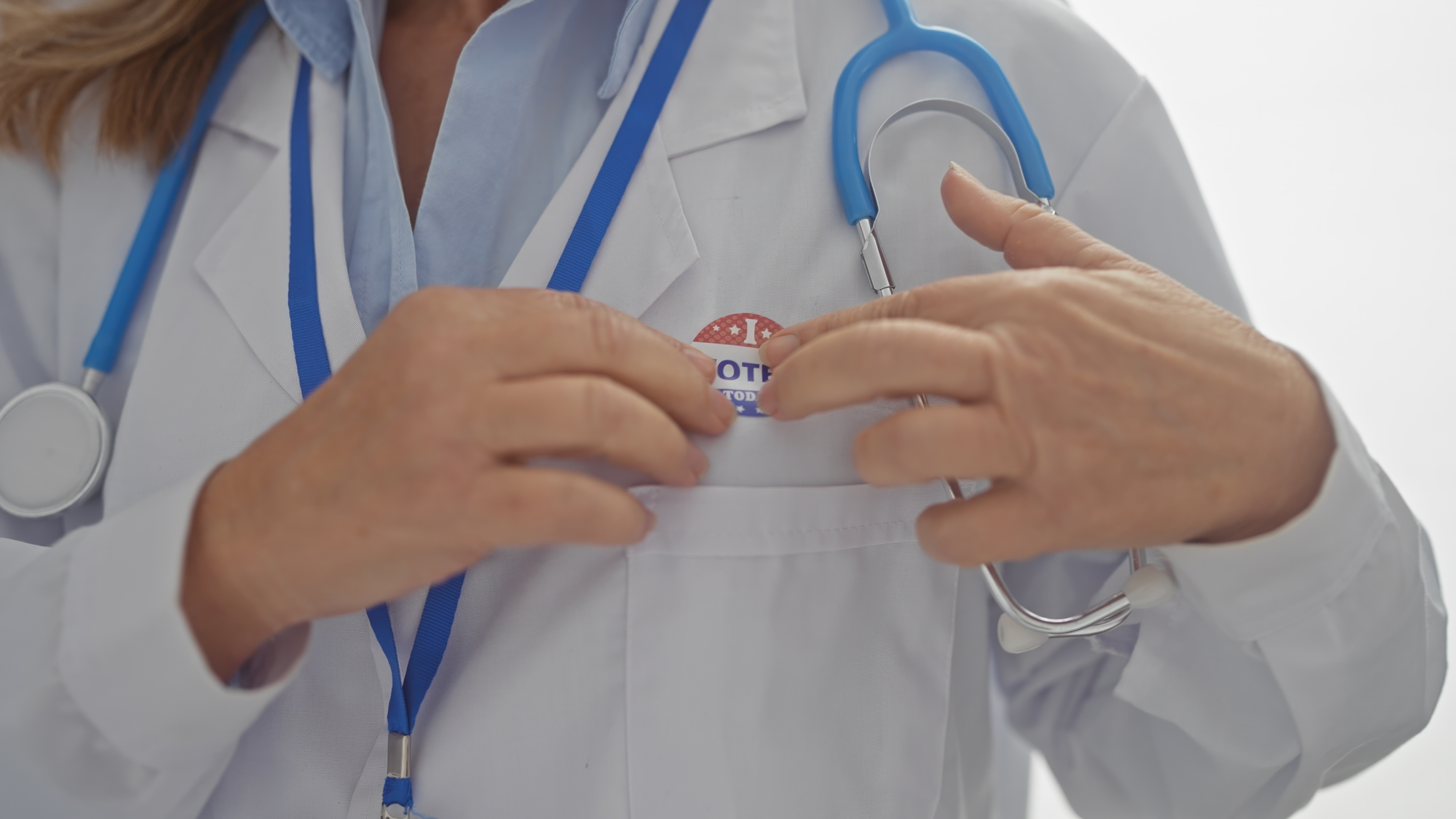
EVERY DAY, nurses make decisions that affect lives. We assess, advocate, educate, intervene, and stand with people at some of their most vulnerable moments. We also know that health is shaped not only in exam rooms and at bedsides, but also in city halls, statehouses, school boards, and Congress. Voting isn’t separate from nursing. It’s one more way we honor our civic responsibility and bring the voice and values of nursing into the places where policy is made.
That’s why voting in the upcoming midterm elections is vital.
Midterms have national, state, and local consequences. The outcomes can affect a cascade of issues that shape our practice, workplace safety, the future of our profession, and the health and well-being of our patients and communities.
It can be tempting to think that your vote won’t make a difference. But elections have real consequences. In a community near mine, a school funding referendum was defeated recently by just one vote. One vote.
For nurses already stretched thin, registering and making time to cast a ballot can feel like one more demand on an already full schedule. Nursesvote.org, a website maintained by the American Nurses Association (ANA), makes it easy to check your registration status, register, and find key election dates and deadlines in your state.
Voting, whether on the day of an election or through other options, requires a plan. Traditionally, nurses have voted at lower rates than other groups, in part because of our work hours and schedules. State election rules can change, and ballot access can look different from one election to the next. That’s why every nurse needs a voting plan, especially this year when many states are changing districts and voting requirements late in the election cycle.
If you can do more, consider asking others to participate. I signed up to call my neighbors—not to tell them how to vote, but simply to ask them to vote. I learned later that in one Oregon Neighborhood Leader Program comparison, turnout was 90.2% among contacted voters versus 78.5% among those not contacted. One neighbor, one conversation, moves the needle. People step up when you ask them.
Nurses have already shown what collective civic action can accomplish. Our grassroots advocacy around the classification of postbaccalaureate nursing education for federal loan limits helped elevate this issue, changed the dialogue, and helped move it onto the national agenda.
The Code of Ethics for Nurses calls on nurses to participate actively in the democratic process, including through informed voting, civic engagement, legislative advocacy, and efforts to address policies affecting health, equity, and the common good (codeofethics.ana.org/home). Civic engagement is part of our professional responsibility.
ANA’s advocacy is nonpartisan, and so is this call to vote. Our goal is to ensure that nurses have the information and tools they need to participate fully in our democracy. Visit RNAction.org to learn more about the issues ANA supports and the policies that affect nurses, patients, and our healthcare system.
The Power of Nurses® has always come from trust, expertise, and service. Exercising our right to vote brings that power into public life. In that spirit, here’s my ask: Register. Make a Plan. Cast your Ballot. Encourage others to do the same. Our patients, communities, and our profession are counting on us.
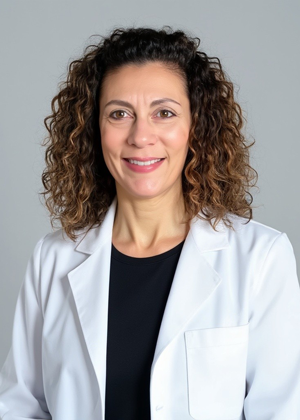
Jennifer Mensik Kennedy PhD, MBA, RN, NEA-BC, FAAN
President, American Nurses Association
American Nurse Journal. 2026; 21(10). Doi: 10.51256/ANJ102612
 American Nurse is the official journal of the American Nurses Association and is a member benefit. Learn more about the association and the many benefits of joining.