Features
YOU MIGHT be wondering: Since when do nurses make laboratory errors? Actually, we make them fairly often—typically by using improper technique when collecting and handling samples and specimens. Preanalytic errors…
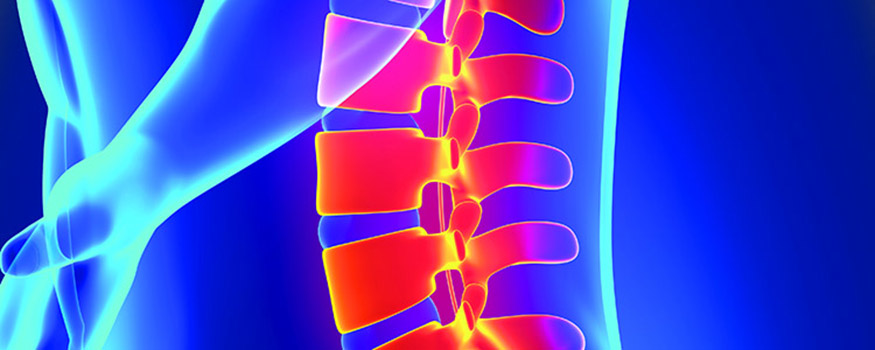
Caring for patients with lumbar drains
A LUMBAR DRAIN is a small, flexible tube placed in the arachnoid space to drain cerebrospinal fluid (CSF). Indications for lumbar drains include: to drain CSF…
Human trafficking: Preparing for a unique patient population
In most ways, human trafficking (modern slavery) is no different from slavery of ancient times: It’s a brutal, highly profitable business with no regard…
Understanding radiation dermatitis
According to the National Cancer Institute, an estimated 1.6 million new cases of cancer will have been diagnosed in the United States in 2015.…
How to evaluate qualitative research
Editor’s note: This article is a follow-up to “Understanding qualitative research,” published in the July issue of American Nurse Today. Have you ever told…
Good night, baby…sleep safely
For more than 20 years, the American Academy of Pediatrics (AAP) has encouraged everyone to place infants on their backs to sleep to help…
Protected: CRE: Not your average multidrug-resistant organisms
This content is password-protected. To view it, please enter the password below. Password:
The second victim experience: Mitigating the harm
Like most nurses, you probably consider yourself emotionally strong and resilient, with defenses that help you “get the job done” throughout your busy shift.…
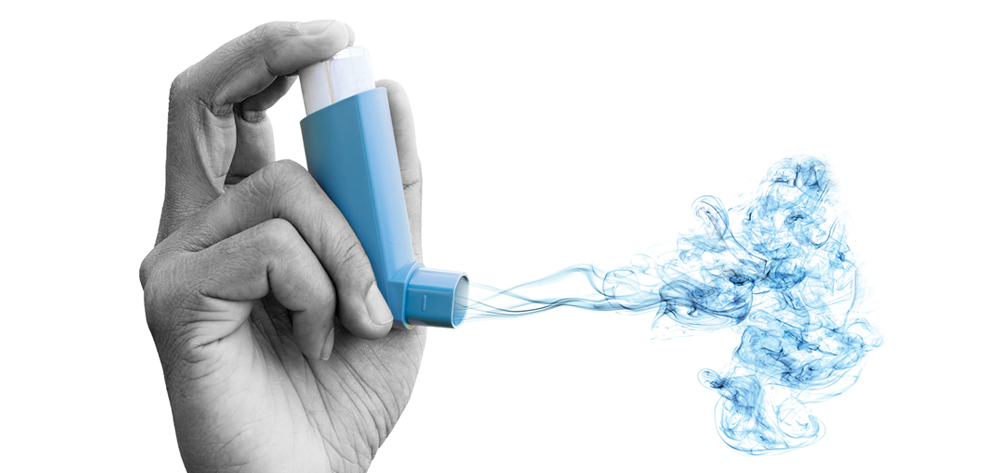
Understanding asthma pathophysiology, diagnosis, and management
A chronic inflammatory airway disorder, asthma is marked by airway hyperresponsiveness with recurrent episodes of wheezing, coughing, tightness of the chest, and shortness of…
When a nurse returns to work after substance abuse treatment
A substance use disorder (SUD) that impairs a nurse’s ability to practice poses a safety risk. So it’s reasonable to ask: What are adequate…
Takotsubo cardiomyopathy: Healing a broken heart
Not all medical problems are easy to diagnose, and it can be especially tricky when similar symptoms occur in different diseases. It is important…
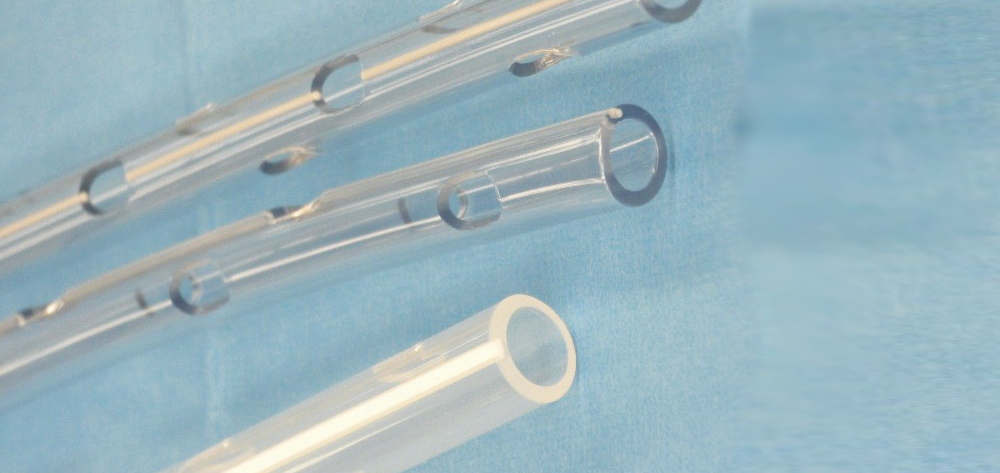
Managing chest tubes: Air leaks and unplanned tube removal
Once treated only in high-acuity settings, patients with chest tubes now receive care in inpatient medical-surgical floors, outpatient procedural areas (such as interventional radiology),…
How you can avoid laboratory errors
YOU MIGHT be wondering: Since when do nurses make laboratory errors? Actually, we make them fairly often—typically by using improper technique when collecting and handling samples and…
Caring for patients with lumbar drains
A LUMBAR DRAIN is a small, flexible tube placed in the arachnoid space to drain cerebrospinal fluid (CSF). Indications for lumbar drains include: to…
Human trafficking: Preparing for a unique patient population
In most ways, human trafficking (modern slavery) is no different from slavery of ancient times: It’s a brutal, highly profitable business with…
Understanding radiation dermatitis
According to the National Cancer Institute, an estimated 1.6 million new cases of cancer will have been diagnosed in the United States…
How to evaluate qualitative research
Editor’s note: This article is a follow-up to “Understanding qualitative research,” published in the July issue of American Nurse Today. Have you…
Good night, baby…sleep safely
For more than 20 years, the American Academy of Pediatrics (AAP) has encouraged everyone to place infants on their backs to sleep…
Protected: CRE: Not your average multidrug-resistant organisms
This content is password-protected. To view it, please enter the password below. Password:
The second victim experience: Mitigating the harm
Like most nurses, you probably consider yourself emotionally strong and resilient, with defenses that help you “get the job done” throughout your…
Understanding asthma pathophysiology, diagnosis, and management
A chronic inflammatory airway disorder, asthma is marked by airway hyperresponsiveness with recurrent episodes of wheezing, coughing, tightness of the chest, and…
When a nurse returns to work after substance abuse treatment
A substance use disorder (SUD) that impairs a nurse’s ability to practice poses a safety risk. So it’s reasonable to ask: What…
Takotsubo cardiomyopathy: Healing a broken heart
Not all medical problems are easy to diagnose, and it can be especially tricky when similar symptoms occur in different diseases. It…
Managing chest tubes: Air leaks and unplanned tube removal
Once treated only in high-acuity settings, patients with chest tubes now receive care in inpatient medical-surgical floors, outpatient procedural areas (such as…
Poll


NurseLine Newsletter
*By submitting your e-mail, you are opting in to receiving information from Healthcom Media and Affiliates. The details, including your email address/mobile number, may be used to keep you informed about future products and services.