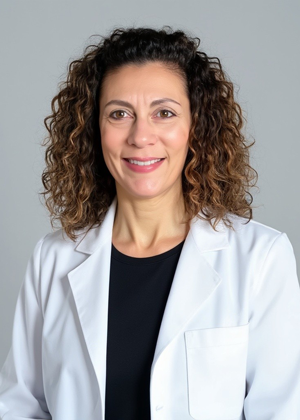
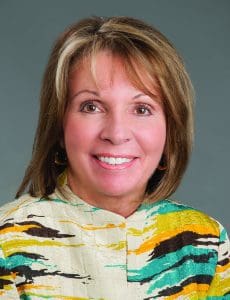
Cathleen Wheatley steps up to a challenge.
Cathleen Wheatley, DNP, RN, CENP, is president of Wake Forest Baptist Medical Center in Winston Salem, North Carolina, a position she has held since April 2019. She’s brought her leadership talents to various roles, including corporate nurse executive of Abu Dhabi Health Services Company from 2012 to 2014, where she was responsible for a 12-hospital government system with 7,000 nurses from 72 countries. Wheatley serves on the boards of several educational institutions and healthcare organizations and is a current sponsor of Women for Women International. The American Nurses Association spoke with Wheatley about what she’s learned from getting out of her comfort zone.
 How is being president of the entire organization different from being chief nurse executive (CNE)?
 How is being president of the entire organization different from being chief nurse executive (CNE)?
As a CNE, and a bedside clinician before that, I was well-versed in the clinical aspects of care. The switch is learning about the nonclinical side and the complexity of support services that make our health system run. I round in those areas—environmental services, food services, the loading dock—so I can learn more. I’ve also learned about building code, revenue cycle, Centers for Medicare and Medicaid Services audits, and corporate compliance. There’s more of an emphasis on strategic goals, such as consumer strategy. As a leader, you want to grow services in your community. Also, you need the right people leading areas outside of your expertise, such as a good chief financial officer.
How can nurse leaders best prepare themselves to reach roles beyond CNE, such as president?
I’m a big fan of getting out of your comfort zone. To prepare, be willing to become involved with teams and projects outside of the nursing domain. Build a strong internal network with leaders throughout the organization. You want to be the expert of your field, and a novice in other areas. Join professional organizations outside of nursing, and serve on professional and community boards.
What do you know now that you wish someone had told you when you first started on your leadership path?
Impostor syndrome is real, and everybody experiences it. As you take on new leadership positions and challenges, you’ll wonder if you know what you’re doing and question yourself. Let that motivate you. Identify two coworkers as your “fan club”—people you can ask to explain things you don’t yet understand. Impostor syndrome can cause fear and avoidance. Choose to be courageous—acknowledge your fear, but face it and move forward.
Why is an international lens important for the nursing profession?
When practicing in another country, you realize the importance of regulation—the structure that enables us to provide safe, quality care. You also experience diversity and what it’s like to be a minority.
The United States is good at advancing nursing through federal funding for nursing research and graduate programs. Some other countries don’t have this. But when outside of the United States, you also see what we’ve lost, like the robust community nursing in India and other countries. How could we make our country healthier by changing some of how we function as a health system—balancing our efforts to address illness with our efforts to promote wellness?
How do you safeguard your own health?
Reading is an escape. I love lemon desserts and started writing a lemon dessert cookbook. I’m intentional about consistent exercise, plan excursions to botanical gardens and museums twice a month, and make sure to see my two grown sons every couple of months. AN
Interview by Elizabeth Moore, MFA, a writer at ANA.