Health’s Up is a podcast that explores healthy choices through child voices.
Health’s Up is an experiment in health education. The brainchild of Kristi Westphaln, a pediatric nurse practitioner doing her post doctoral work at Case Western Reserve University in Cleveland, Ohio. Kristi is a self proclaimed “wannabe school nurse” and I am sure after you read her guest blog, you will agree that she has earned that title! The brilliance of Health’s Up is that it is driven by the “experts,” the students who determined what they were most interested in learning. This is promoting student engagement at the highest level by including the learners in designing their educational experience. Kristi’s explains her project best:
“The Health’s Up project is more than just a project to me. It is the embodiment of a dream that weaves child choice and voice into their health experiences.”
– Kristi K. Westphaln, PhD, RN, CPNP-PC

Click below to listen to Kristi and her students!
Health’s Up: An ideastream Podcast

My pediatric patients sometimes look at me funny when I tell them that I was in kindergarten for 20 years. As strange as it sounds, it’s true. My mom was a kindergarten teacher (retired now) and I literally grew up in her kindergarten classroom at Wilson Elementary School. It was magical for me. I can still smell the paint, taste the homemade play dough(that we weren’t supposed to eat, but we all did anyway- it was peanut butter flavored), see the large multicolored shapes that hung high on the wall in the front of the room, hear the crisp ring of the bell, and feel the fuzzy texture of the big colorful carpet that the kids would sit on. I loved helping my mom prepare for her lessons, decorating the classroom in vibrant colors, organizing the library corner, and participating in the different activity stations! Not only did my mom inspire her students to learn, she also taught all of us that kids could be helpers, make a difference, and that our voices mattered.
I continued to attend kindergarten through out elementary school, high school, and beyond. When I made the decision to pursue nursing, I was able to stay connected to my elementary school roots by working during nursing school as the school librarian at Wilson Elementary School and as a K-6 substitute teacher for the San Gabriel Unified School District. I dreamed of someday being a school nurse, however the timing and location for positions in school nursing didn’t align. My path in nursing led me to the pediatric emergency room, pediatric nurse practitioner training, and a PhD in nursing. While I never got to be a school nurse, I’ve always dreamed of finding a way to support elementary school students, child health, and school nursing….
High quality health education offers the opportunity for children to build healthy habits early in life, which holds important implications for health across the life span. However, the pathway towards successful implementation and dissemination of child health education faces many challenges. I’m often frustrated with the time constraints of the pediatric primary health care setting. Despite the promise of the patient centered health care home model, 15-20 minute well child visits limit our capacity to have comprehensive conversations with families about health promotion and/or health education. These time constraints may also foster focus on health risks rather than empowering children and families. If not in an exam room with a trusted clinician, where else can kids and families find reliable information about health?
The elementary school setting also offers opportunities to amplify health education. Three of the challenges that I’ve encountered in this space are related to funding, variability within standardized health education core curriculum, and not enough support for school nurses. Decreased funding to public school systems can adversely impact child health education as teachers have less time, money, and other resources to focus on key health education content. Additionally, the quantity and quality of health education provided in the elementary school setting varies per the presence or absence of standardized core curriculum health education requirements. The lack of funding and support for school nursing also remains an unfortunate missed opportunity, in terms of promoting health and sustaining it.
Health’s Up is an innovative participatory pediatric health education project that partners local inner city Cleveland elementary schools, child health experts, and Cleveland’s NPR affiliate, Ideastream, to transform local child health education via engagement, evidence, and exploration. As children aren’t often given the opportunity to share or speak about health in their own words, I wanted to specifically highlight their choices and their voices. The project is grounded in community based participatory principles, meaning that the kids picked the topics about their health that they wanted to learn about and then we crafted the content to meet their curiosity. As Ohio doesn’t currently have standardized core curriculum for health education, we created our lessons plans based upon the Ohio Revised Code for health education and the Ohio English Language Arts Educational Standards (including Anchor Standards for writing, reading informational texts, speaking, and listening). Along with teaching evidence-based health education, the kids also developed presentation literacy skills including speaking and storytelling.
We asked the kids, listened to the kids, and recorded the kids from Mrs. Simpson’s fifth grade class at Marion-Sterling Elementary School. They wanted to learn about healthy breathing, sleep hygiene, healthy eating, and exercise! And through the Health’s Up process, they blossomed. Not only did they learn about what they wanted to learn about, they giggled with excitement when they heard their own voices in the podcast and on the radio. It mattered so much to them, that their voices were heard. The Health’s Up project is more than just a project to me. It is the embodiment of a dream that weaves child choice and voice into their health experiences.

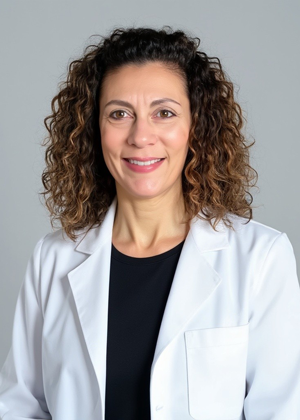
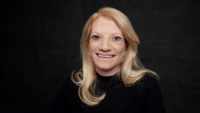
Bio: Kristi K Westphaln is a PhD prepared pediatric nurse practitioner with 13 years of clinical experience across multiple settings including the pediatric emergency department, primary care, and inpatient accidental/non-accidental trauma. She received her BSN from California State University of Los Angeles, MSN from the University of California Los Angeles, and her PhD from the University of San Diego. She currently conducts research on child flourishing despite adversity as a T32 postdoctoral research fellow in the department of bioethics at the Case Western Reserve University School of Medicine. Her experience with media includes a 3 year appointment as a Senior Fellow for the Center for Health Policy and Media Engagement with the George Washington University School of Nursing and a co-producer for Healthcetera Radio. She is currently part of the health unit and is host of the Health’s Up podcast for Cleveland’s NPR affiliate, Ideastream.
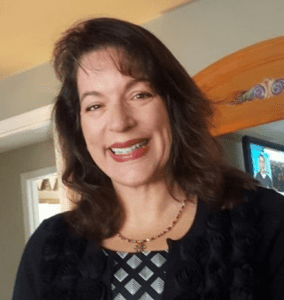
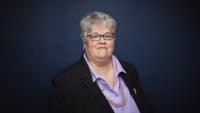
Robin Cogan, MEd, RN, NCSN is a Nationally Certified School Nurse (NCSN), currently in her 19th year as a New Jersey school nurse in the Camden City School District. She serves on several national boards including The American Foundation for Firearm Injury Reduction in Medicine (AFFIRM), a gun violence prevention research non-profit organization and the National Board of Certification for School Nurses (NBCSN). Robin is the Legislative Chair for the New Jersey State School Nurses Association (NJSSNA). She is proud to be a Johnson & Johnson School Health Leadership Fellow and past Program Mentor.
She has been recognized in her home state of New Jersey and nationally for her community-based initiative called “The Community Café: A Conversation That Matters.” Robin is the honored recipient of multiple awards for her work in school nursing and population health. These awards include 2019 National Association of School Nurses (NASN) President’s Award; 2018 NCSN School Nurse of the Year; 2017 Johnson & Johnson School Nurse of the Year; and the New Jersey Department of Health 2017 Population Health Hero Award. Robin serves as faculty in the School Nurse Certificate Program at Rutgers University-Camden School of Nursing, where she teaches the next generation of school nurses. She was presented the 2018 Rutgers University – Camden Chancellor’s Teaching Excellence Award for Part-time Faculty.
Robin writes a weekly blog called The Relentless School Nurse. You can also follow her on Twitter at @RobinCogan.