
As the healthcare system confronts a growing shortage of primary care physicians, nurse practitioners (NPs) have become increasingly essential to meeting the nation’s rising demand for accessible care. Yet conversations about the safety, quality, and cost‑effectiveness of NP‑delivered care continue to spark tension across professional lines. As a soon‑to‑graduate family nurse practitioner (FNP) student, I’ve been watching these debates with heightened awareness, especially as I prepare to step into primary care with both excitement and humility.
Recently, a YouTube video brought these issues into sharp focus. The physician author featured in the interview discussed the risks she believes patients face when non‑physician practitioners—NPs and PAs—substitute for physicians in primary care. As someone nearing the end of FNP training, preparing for boards, and eager to practice safely and competently, the video hit harder than I expected.
I’ve spent countless hours studying, researching, and pushing myself to understand the complexities of caring for patients across the lifespan. Yet even after all this work, I often ask myself: Is it enough? Am I prepared? I constantly seek additional sources—articles, lectures, case studies—to deepen my knowledge. Hearing the concerns raised in that interview resurfaced the same questions I’ve carried throughout graduate school, but this time with renewed intensity.
Understanding the Training Gap
Physicians undergo an extraordinary amount of training: 4 years of medical school followed by 3 to 7 years of residency, accumulating an estimated 10,000 to 16,000 hours of supervised clinical experience. This training is explicitly designed to prepare them for independent diagnostic reasoning and medical decision‑making from day one of practice.
The NP pathway is different: shorter, more variable, and often less standardized. Many RN programs include 500 to 1,000 clinical hours, and FNP programs typically add another 500 to 1,000. In many states and programs, nursing experience is no longer a requirement for NP admission. Many students graduate with fewer than 2,000 clinical hours overall, most of which are embedded in roles that rely on provider orders rather than independent decision‑making.
The Other Side of the Story: My Journey
At the same time, I know what it means to walk the NP path from lived experience. I didn’t have the financial or personal opportunity to attend medical school. Instead, I began as a medical assistant, continued to registered nursing, and am now completing my FNP degree. Each step of my journey deepened my commitment to access, equity, and patient‑centered care. Nursing has shaped how I listen, how I empathize, and how I prioritize the human experience of illness.
This path also has made me acutely aware of the responsibility I hold. I want to be a safe, thoughtful, competent primary care provider. I know where gaps exist, and I know where nursing brings unique strengths that complement traditional medical training.
What the Evidence Says
Studies have repeatedly shown that in many areas (chronic disease management, patient satisfaction, preventive care), NP‑delivered care is comparable in quality to physician care. Some analyses even show lower total costs or reduced acute care utilization among patients managed by NPs and PAs, particularly within underserved communities.
Meanwhile, organizations such as the American Medical Association argue that independent NP practice may increase healthcare spending through higher rates of diagnostic testing, specialist referrals, and emergency visits. Their stance emphasizes the depth of physician training as a safeguard for patient safety and resource stewardship.
Where the Conversation Should Go Next
Rather than centering on the question of NP vs. MD, perhaps the real focus should be this: How do we ensure all providers (regardless of pathway) are fully prepared for safe, autonomous practice? And how do we foster collaboration rather than competition in a healthcare system stretched thin?
The nation’s primary care shortage is real. The need for competent, compassionate providers remains urgent. And patients deserve clinicians who are not only well‑trained but also willing to grow, learn, and seek mentorship throughout their careers.
As I prepare to graduate, I don’t pretend to have all the answers, but I’m committed to becoming the kind of provider who keeps asking the right questions. I’ll continue studying, seeking guidance, reviewing cases, and expanding my competence. And not just because the debates demand it, but because my patients deserve nothing less.
About the Author
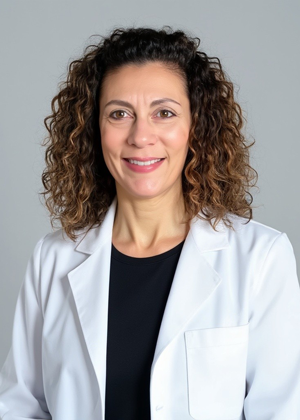
Lorena Becerra is a nursing instructor and FNP student with clinical experience across outpatient clinics, rehabilitation settings, school health environments, and hospital units specializing in cardiac and emergency care. Her clinical and teaching background informs her commitment to patient advocacy, clinical excellence, and equitable access to primary care.