Three yellow balloons danced through the air, hovering over the finish line after being released by the bomb blast that brought the 2013 Boston Marathon to a catastrophic…
Nurses in various settings and practices must navigate the complex process of preventing and treating pressure ulcers. Support surfaces play a pivotal role in this process; clinicians use…
Some nurses find wound dressing selection intimidating and frustrating. Businesswire estimates that more than 5,000 wound care products exist in the United States, in a myriad of shapes…
Empathy relies on understanding an experience from another’s perspective. A simulated learning activity such as wearing an ostomy bag for a day, in combination with reflective writing in…
Tim Waters, age 28, is admitted to a burn intensive care unit for treatment after a natural gas explosion in his home causes deep partial- and full-thickness burns…
On April 3, the U.S. Food and Drug Administration (FDA) announced it is allowing marketing of an expandable, multi-sponge wound dressing to control the bleeding from certain types…
On August 6, the U.S. Food and Drug Administration (FDA) approved Orbactiv (oritavancin), a new antibacterial drug to treat adults with skin infections. Read more.
The author present tips to help you avoid pitfalls and ensure safe use of negative-pressure wound therapy, which applies subatmospheric pressure to accelerate the healing of complex wounds.
Original nursing research explores nurses’ rationales for using sterile technique instead of clean technique in particular circumstances – and reveals wide practice discrepencies.
A study of the use of selective non-operative management (SNOM) for gunshot and stab abdominal wounds found that the practice increased from 2002 to 2008 and that it’s…
Evidence indicates that the cost of preventing hospital-acquired pressure injuries (HAPI) is significantly lower than the cost to treat. However, despite available best practice guidelines, nurses’ knowledge of…
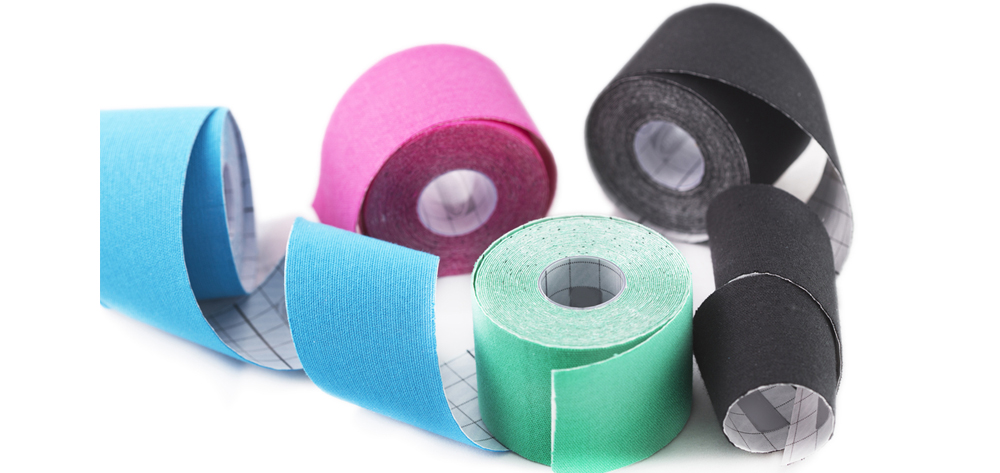
Are you using the wrong kind of medical tape on your patients? Although we strive to provide the safest care possible, some nurses may not realize that medical…
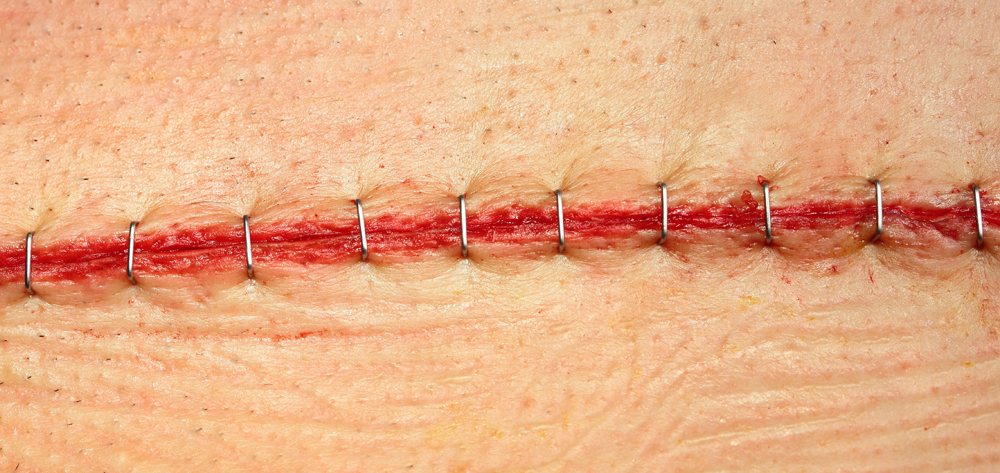
A study published in Plastic and Reconstructive Surgery reports that preoperative and postoperative hyperglycemia and elevated A1c in patients with diabetes increases the risk of dehiscence after surgical…
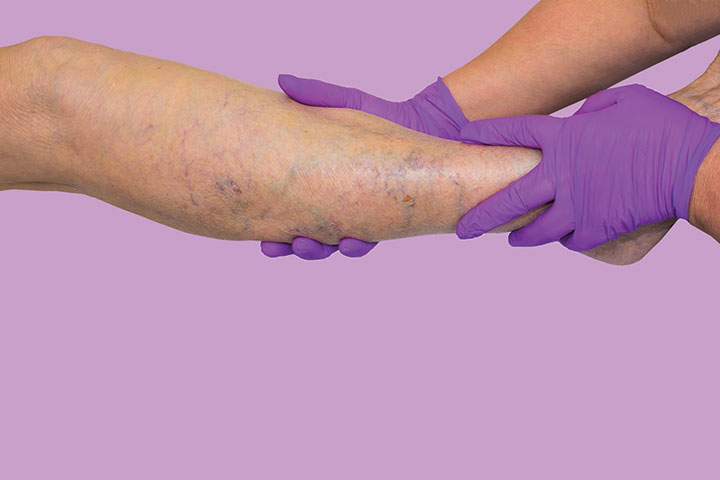
Prompt, proper care will help reduce complications and improve quality of life. Venous ulcers are the most common lower extremity wounds in the United States. Patients experience poor…
Nurses in various settings and practices must navigate the complex process of preventing and treating pressure ulcers. Support surfaces play a pivotal role in…
Some nurses find wound dressing selection intimidating and frustrating. Businesswire estimates that more than 5,000 wound care products exist in the United States, in…
Empathy relies on understanding an experience from another’s perspective. A simulated learning activity such as wearing an ostomy bag for a day, in combination…
On April 3, the U.S. Food and Drug Administration (FDA) announced it is allowing marketing of an expandable, multi-sponge wound dressing to control the…
On August 6, the U.S. Food and Drug Administration (FDA) approved Orbactiv (oritavancin), a new antibacterial drug to treat adults with skin infections. Read…
The author present tips to help you avoid pitfalls and ensure safe use of negative-pressure wound therapy, which applies subatmospheric pressure to accelerate the…
Original nursing research explores nurses’ rationales for using sterile technique instead of clean technique in particular circumstances – and reveals wide practice discrepencies.
Evidence indicates that the cost of preventing hospital-acquired pressure injuries (HAPI) is significantly lower than the cost to treat. However, despite available best practice…
A study published in Plastic and Reconstructive Surgery reports that preoperative and postoperative hyperglycemia and elevated A1c in patients with diabetes increases the risk…
Prompt, proper care will help reduce complications and improve quality of life. Venous ulcers are the most common lower extremity wounds in the United…
Reader Survey
Please share your feedback! We’re interested to learn more about your experience with American Nurse Journal.