Cheryl L. Mee MSN, MBA, RN, FAAN, Executive Editorial Director, American Nurse Journal
With more than 30 years of experience in health science publishing, Cheryl has held several senior leadership roles. She previously served as editor-in-chief of a national nursing journal at Wolters Kluwer. At Elsevier, she held dual leadership positions as Vice President of Nursing and Health Professions Journals—where she led a team of publishers supporting nursing societies—and as Director of Nursing Education and Assessment Consultation, guiding faculty in integrating digital tools into curricula to strengthen clinical judgment and teaching strategies.
Cheryl has authored more than 140 publications, reflecting her sustained contributions to nursing scholarship and practice. She also serves as adjunct faculty at the Frances Payne Bolton School of Nursing at Case Western Reserve University, where she works with doctoral nursing students.
Her career demonstrates a strong commitment to service, diversity in nursing, cultural competence, and improving health outcomes for underserved populations. For over 20 years, she has served on the Board of Americans for Native Americans, supporting initiatives such as scholarships, NCLEX fee assistance, and expanded clinical experiences for Native American nursing students. She has also led annual health screening programs that have provided care to hundreds of Native American elementary school children.












3 Comments.
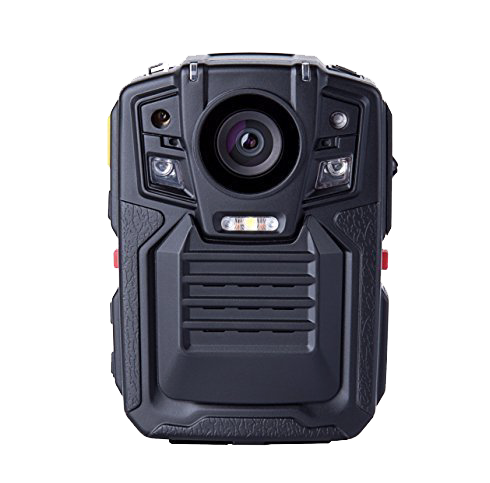
There has got to be a way to achieve this. Wearing body cameras would be a total game-changer. It would result in healthcare workers being held accountable for their own behaviors, thereby the effects of patient safety, process improvement and satisfaction scores would change for the better. Healthcare needs more of a progressive approach in all of these areas. Cameras don’t lie. There’s your “Data Analysis”.
Think about the cost cuts in litigation. People will be kept at higher standards. All of the research from police body cams show that the cameras pay for themselves. Have you ever actually explored implementation of this? Would love to have a further discussion if so.
All of the “cons” can be addressed through existing technology and hardware. HIPPA already demands security of information. I feel cameras would protect all parties during some of the most unpredictable situations in the healthcare chain.
Dave Bleam
EMT-B