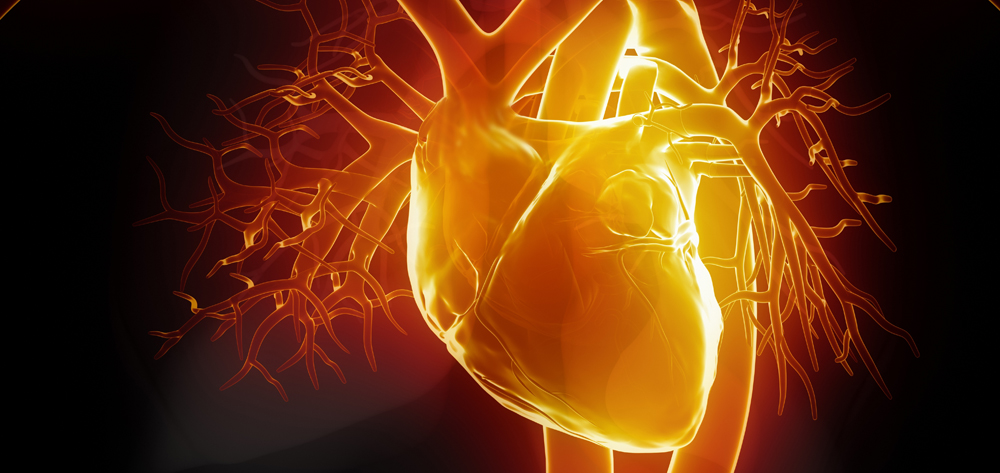
Cardiovascular disease (CVD) originates from atherosclerosis, a disease in which low-density lipoprotein (LDL) particles build up in the arterial wall.
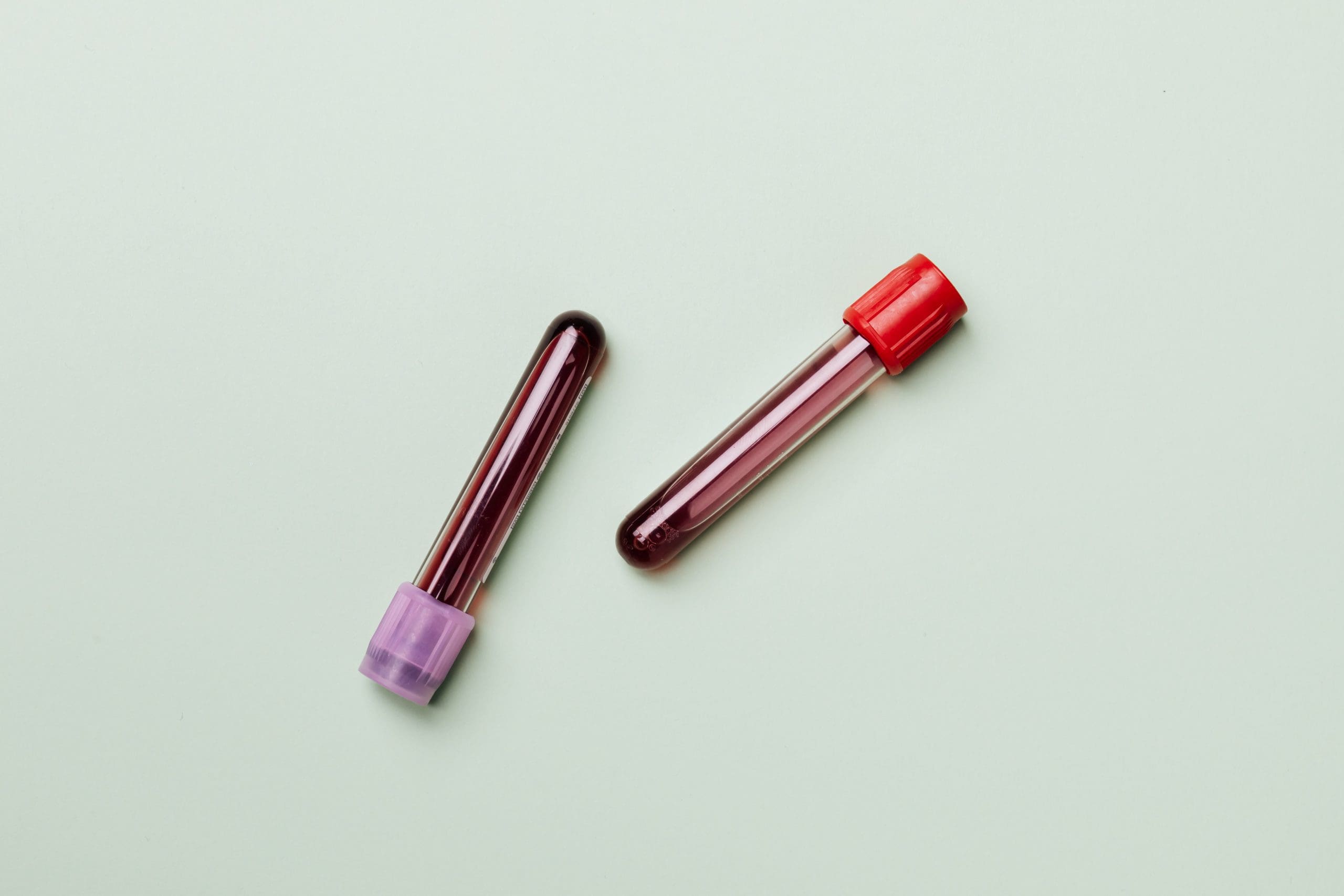
Blood transfusions can sustain and save lives. But sometimes they sicken and even kill. Learn how to prevent, detect, and manage blood transfusion reactions.
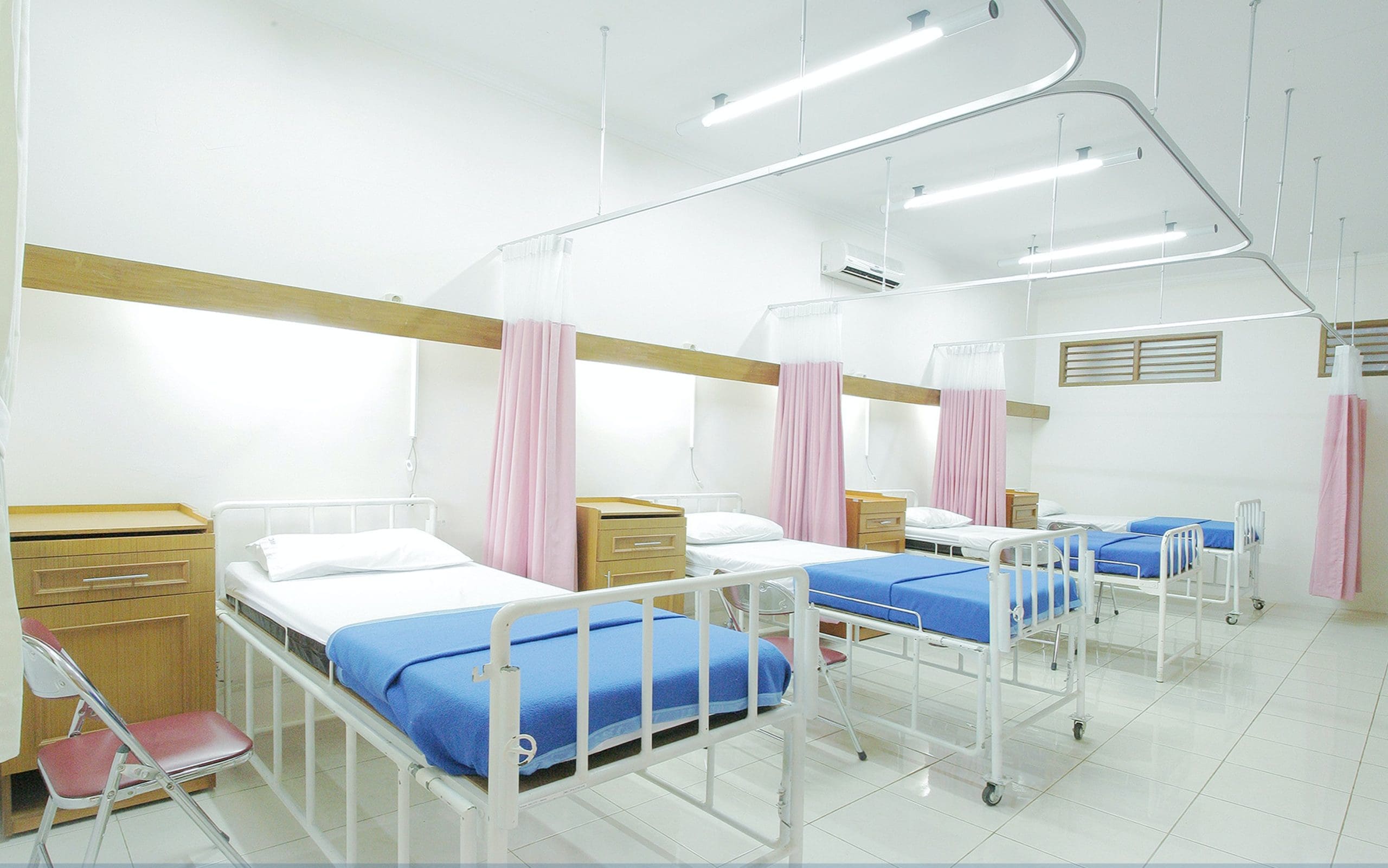
Two common conditions caused by hospital-acquired infections killed 48,000 people and ramped up health care costs by $8.1 billion in 2006 alone, according to…
Coffee drinkers are less likely to be hospitalized for cardiac arrhythmias, according to a report presented at the American Heart Association’s 50th Annual Conference…
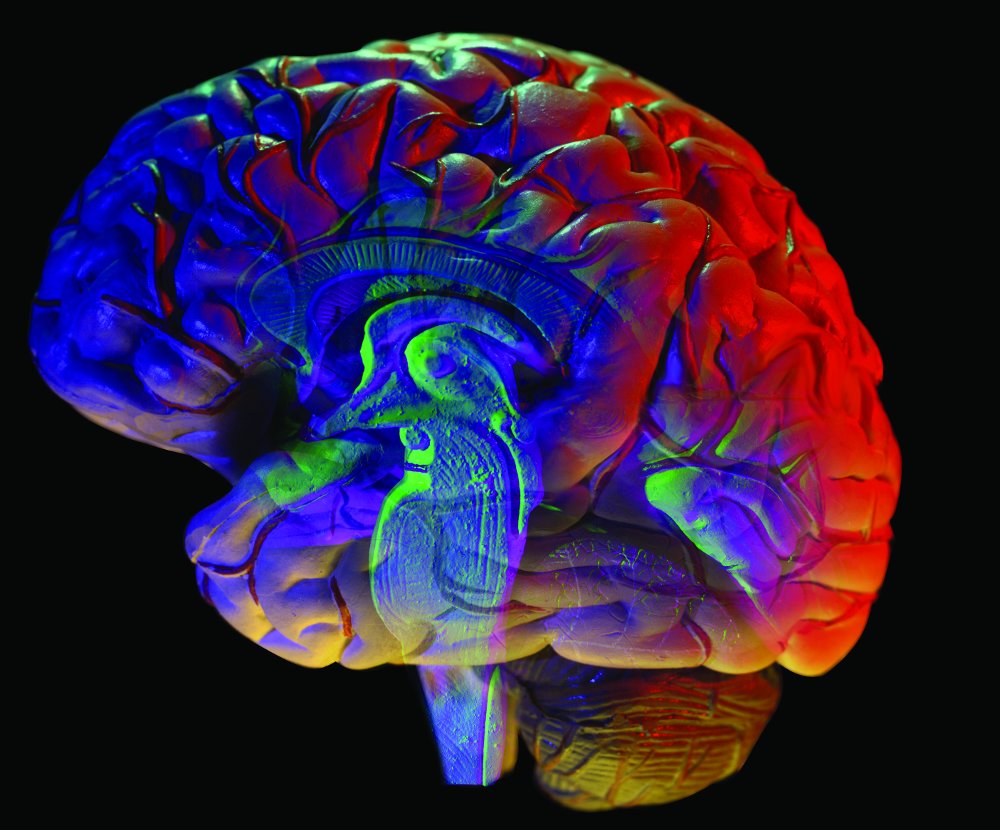
Commonly confused with SIADH, cerebral salt wasting can result from such neurologic conditions as subarachnoid hemmorrhage, intracranial hemorrhage, ischemic stroke, intracranial surgery, and brain…
Many patients with HIV/AIDS are doing well on highly active antiretroviral therapy (HAART). Yet HAART can increase cardiovascular risks by reducing high-density lipoprotein levels,…
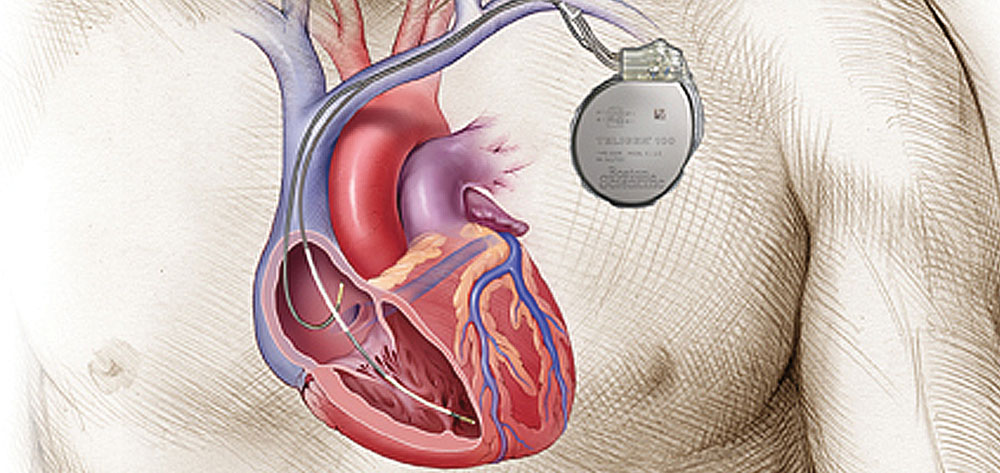
Increasing numbers of patients at risk for sudden cardiac death are receiving ICDs for primary prevention. This article explains how ICD therapy has grown…
Nearly half of ICU patients have central venous catheters, putting them at risk for deadly bloodstream infections. Learn about proven methods for preventing these…
When a patient shows signs of systemic inflammatory response syndrome, her survival hinges on the nurse’s expert assessment skills and the clinical team’s swift…
Cardiovascular disease (CVD) originates from atherosclerosis, a disease in which low-density lipoprotein (LDL) particles build up in the arterial wall.
Commonly confused with SIADH, cerebral salt wasting can result from such neurologic conditions as subarachnoid hemmorrhage, intracranial hemorrhage, ischemic stroke, intracranial surgery,…
Many patients with HIV/AIDS are doing well on highly active antiretroviral therapy (HAART). Yet HAART can increase cardiovascular risks by reducing high-density…