

Gastroenterology

Buying time for patients with acute liver failure
Managing the complications of acute failure, so your patient’s liver has time to regenerate.

Take Note – August 2008
Web exclusive! A monthly round-up of clinical and practice news and alerts at www.AmericanNurseToday.com

Putting a stop to postop nausea and vomiting
GI distress after surgery is a scary prospect for patients, and an all-too-common reality. But it isn’t inevitable. Learn how to minimize your patients’…

Avoiding complications from an acute GI bleed
When a patient begins to vomit bright red blood, a nurse relies on his knowledge of Mallory-Weiss tears-and the adroit interventions of the rapid…

Preventing hypovolemic shock
Identify the signs of hypovolemia and intervene before hypovolemic shock develops.

Take Note – December 2007
Previous pneumonia vaccination reduces ICU admissions Among adults hospitalized for pneumonia, those who’ve been vaccinated against the disease are less likely than unvaccinated patients…
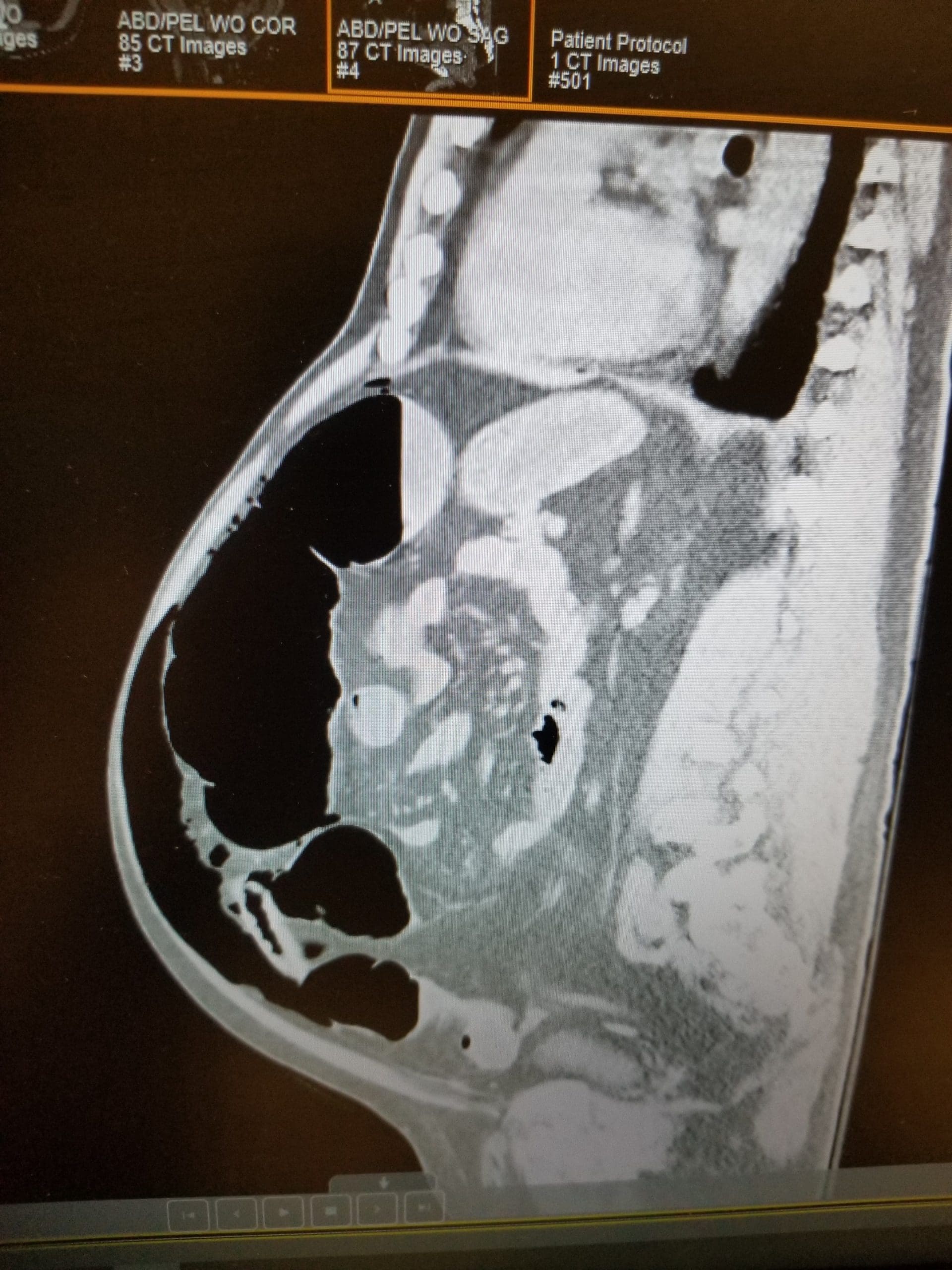
Ogilvie’s syndrome: No ordinary constipation
A patient complains of bloating, abdominal tenderness, and constipation. Nothing unusual? Maybe. But if you’re too quick to dismiss these symptoms, you could be overlooking…

Getting a grip on GERD
Most patients manage the heartburn, nausea, and belching of gastroesophegeal reflux disease with lifestyle changes and medications. But some may experience a dangerous symptom…
Handling with care: The bariatric patient
Technological advances, special equipment, and screening algorithms help healthcare facilities and nurses meet the needs of bariatric patients while reducing worker injury.
Buying time for patients with acute liver failure
Managing the complications of acute failure, so your patient’s liver has time to regenerate.
Take Note – August 2008
Web exclusive! A monthly round-up of clinical and practice news and alerts at www.AmericanNurseToday.com
Putting a stop to postop nausea and vomiting
GI distress after surgery is a scary prospect for patients, and an all-too-common reality. But it isn’t inevitable. Learn how to minimize…
Avoiding complications from an acute GI bleed
When a patient begins to vomit bright red blood, a nurse relies on his knowledge of Mallory-Weiss tears-and the adroit interventions of…
Preventing hypovolemic shock
Identify the signs of hypovolemia and intervene before hypovolemic shock develops.
Take Note – December 2007
Previous pneumonia vaccination reduces ICU admissions Among adults hospitalized for pneumonia, those who’ve been vaccinated against the disease are less likely than…
Ogilvie’s syndrome: No ordinary constipation
A patient complains of bloating, abdominal tenderness, and constipation. Nothing unusual? Maybe. But if you’re too quick to dismiss these symptoms, you could…
Getting a grip on GERD
Most patients manage the heartburn, nausea, and belching of gastroesophegeal reflux disease with lifestyle changes and medications. But some may experience a…
Handling with care: The bariatric patient
Technological advances, special equipment, and screening algorithms help healthcare facilities and nurses meet the needs of bariatric patients while reducing worker injury.
Poll

 Get your free access to the exclusive newsletter of American Nurse Journal and gain insights for your nursing practice.
NurseLine Newsletter
*By submitting your e-mail, you are opting in to receiving information from Healthcom Media and Affiliates. The details, including your email address/mobile number, may be used to keep you informed about future products and services.