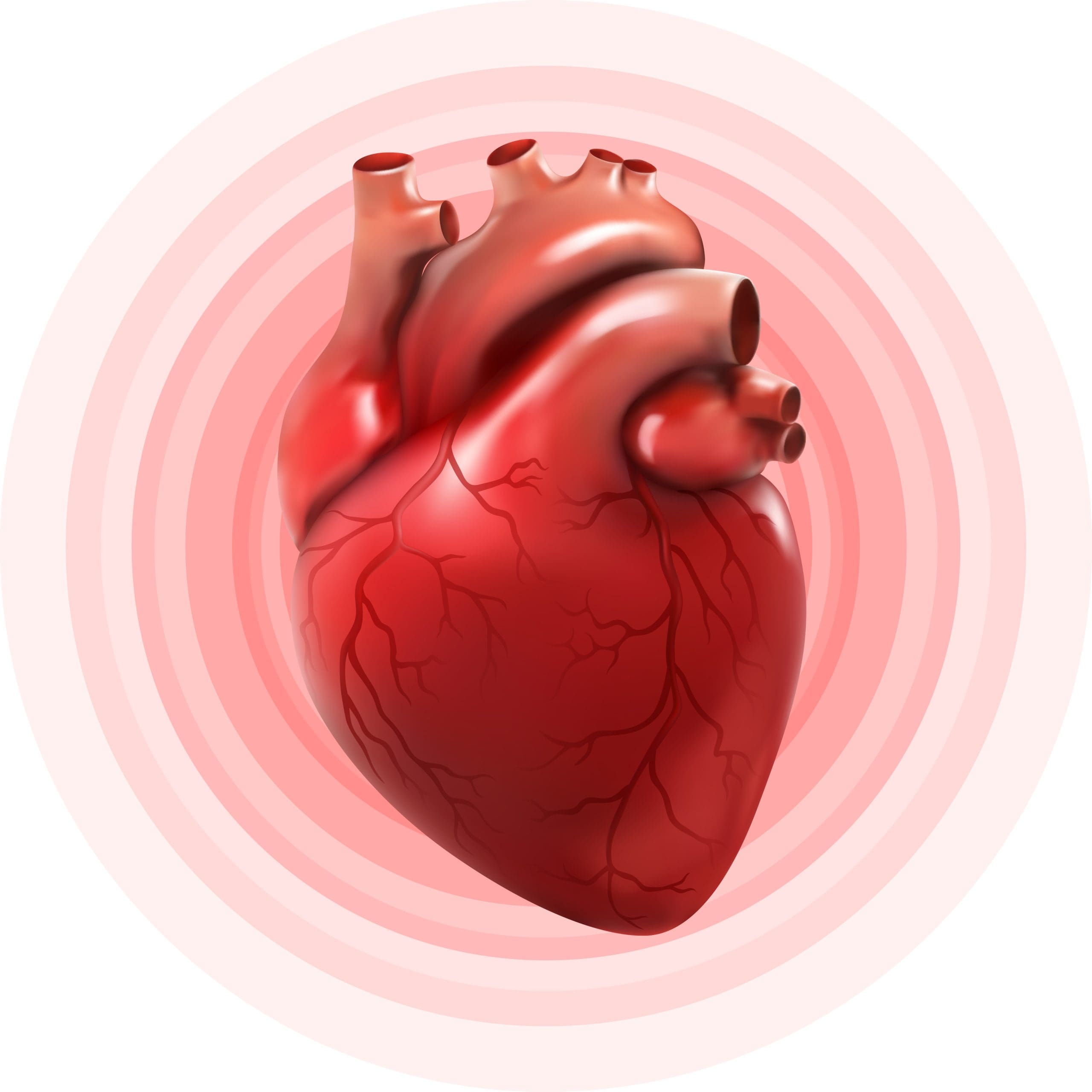
Heart failure (HF), a clinical syndrome that results from changes in the cardiac structure, leads to impaired ventricular filling or reduced blood ejected with…
Establish a culture of patient safety. Takeaways: The number of patients seen in urgent care clinics can present unique medication administration challenges. Reducing errors…
Resolved: Stay focused on safe patient care Five years ago, the World Health Organization (WHO) published its third global patient safety challenge, which aimed…
Patients have long associated trust and respect with nursing. However, recent incidents of nurses delivering inappropriate medications (wrong drug, wrong dose) have led to…
Bridging the gap requires nurse intervention. Individuals within underserved populations face many hurdles to healthcare. They lack access, experience disparities in health literacy, and…
How do we differentiate delirium and dementia and assess for DSD and prevent DSD and manage individuals with the condition? Distinguishing between the two…
Editor’s Note:This article has been corrected to reflect accurate information regarding the block charting example. The starting does of dopamine in this scenario is…
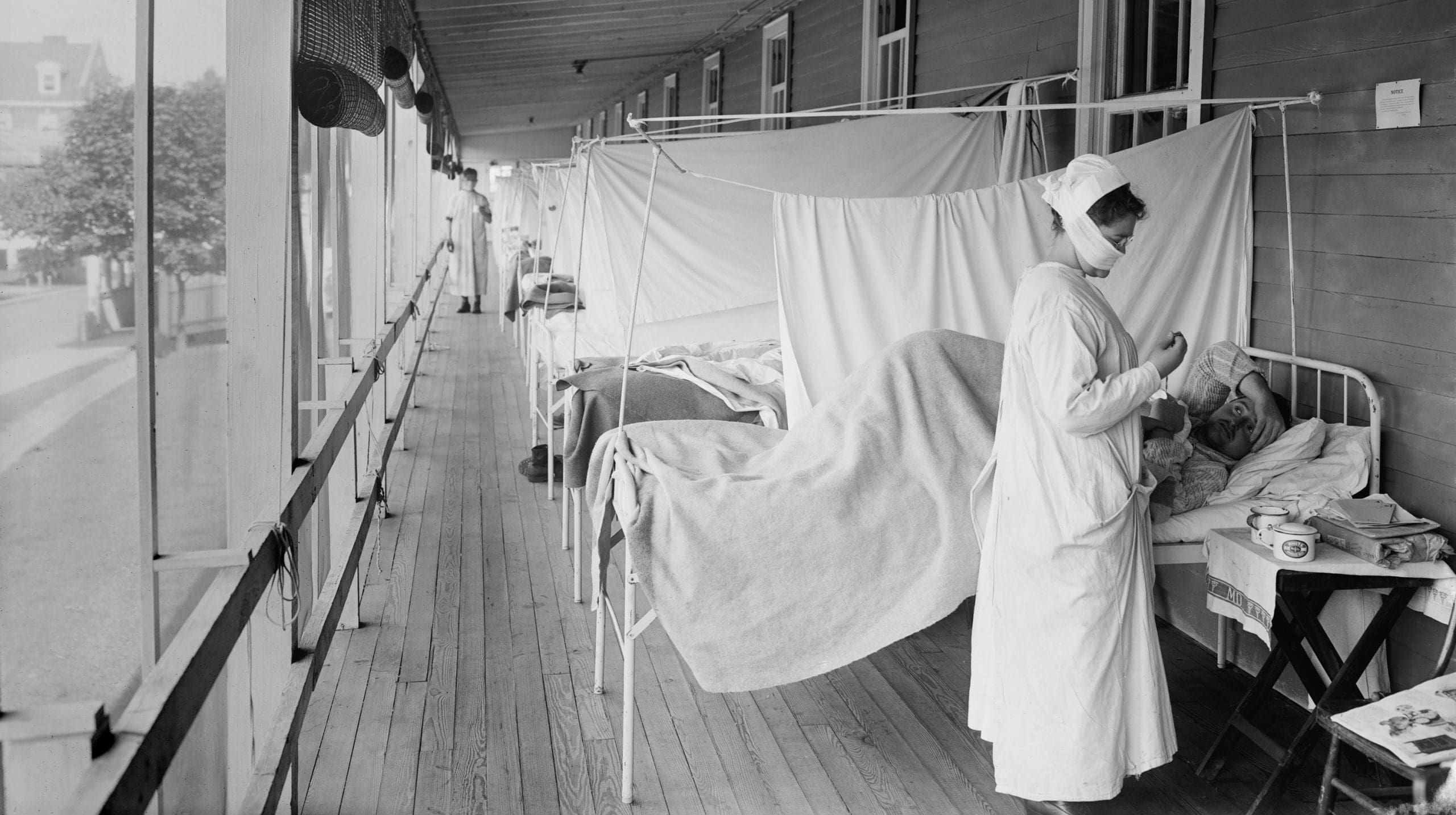
The Spanish Flu and COVID-19 pandemics create some interesting parallels. Separated by almost exactly 100 years, each struck fear and apprehension in the hearts…
A collaborative, patient-centered approach that considers a variety of factors will be most effective. Takeaways: Before selecting medications for type 2 diabetes and to…
Evidence-based interventions are key for successful outcomes. Obesity is a complicated chronic disease with many contributing and interrelated factors that include genetics, biology, metabolism,…
Diabetic ketoacidosis (DKA) and hyperglycemic hyperosmolar state (HHS) are endocrine emergencies. Hospitalizations for diabetes and DKA are rising, possibly because of increased diabetes prevalence and…
For decades, critical care nurses have practiced and shared their knowledge related to titration of continuous I.V. medications. These lifesaving medications primarily affect cardiac…
Establish a culture of patient safety. Takeaways: The number of patients seen in urgent care clinics can present unique medication administration challenges.…
Patients have long associated trust and respect with nursing. However, recent incidents of nurses delivering inappropriate medications (wrong drug, wrong dose) have…
Bridging the gap requires nurse intervention. Individuals within underserved populations face many hurdles to healthcare. They lack access, experience disparities in health…
Editor’s Note:This article has been corrected to reflect accurate information regarding the block charting example. The starting does of dopamine in this…
A collaborative, patient-centered approach that considers a variety of factors will be most effective. Takeaways: Before selecting medications for type 2 diabetes…
Evidence-based interventions are key for successful outcomes. Obesity is a complicated chronic disease with many contributing and interrelated factors that include genetics,…
Diabetic ketoacidosis (DKA) and hyperglycemic hyperosmolar state (HHS) are endocrine emergencies. Hospitalizations for diabetes and DKA are rising, possibly because of increased diabetes…
For decades, critical care nurses have practiced and shared their knowledge related to titration of continuous I.V. medications. These lifesaving medications primarily…